
News

Prior Authorizations Delay Care in Rheumatology
Physicians who believe their patients' health is negatively affected by insurers' demands for prior authorization, and the delays that often result, will find that opinion vindicated by a new study of rheumatology care: when permission had to be sought from insurers to provide intravenous drugs,

RheumNow Podcast – The End of Arthritis (9.13.19)
Dr. Jack Cush reviews the news and journal articles from the past week on RheumNow.com.
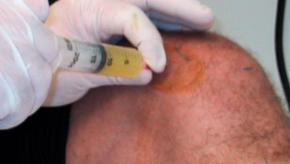
Two vs. Four Weeks of Antibiotic Therapy in Septic Arthritis
A prospective trial has shown that 2 weeks of antibiotic therapy is as effective as 4 weeks of antibiotic therapy, with similar outcomes but shorter hospital stays.
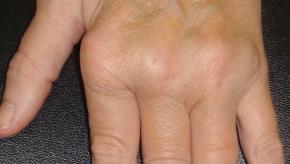
Bimekizumab Add-on Therapy in Rheumatoid Arthritis
Bimekizumab is a dual inhibitor of IL-17A and IL-17F that has been shown to be effective in psoriasis and psoriatic arthritis. A proof-of-concept study shows that giving bimekizumab to rheumatoid arthritis patients not adequately controlled by certolizumab pegol resulted in a rapid decrease in disease activity achieved after 12 weeks of treatment. These findings are novel as anti-IL-17 monoclonal antibody therapy has previously been shown to be ineffective in RA.
74 Percent of Rheumatoid Arthritis Patients Dissatisfied with Treatment
CreakyJoints has completed a 258 patient survey showing that nearly three-fourths of people with rheumatoid arthritis (RA) have expressed dissatisfaction with their treatments, including conventional (csDMARDs) and biologic Disease Modifying Antirheumatic Drugs (bDMARDs).
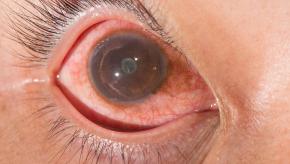
Steroid Sparing Effects of Methotrexate and Mycophenolate in Uveitis
Patients with noninfectious uveitis (intermediate, posterior uveitis, or panuveitis) often require high dose corticosteroids and therefore may need steroid-sparing DMARD therapy. The FAST study investigated the corticosteroid-sparing effect of methotrexate or mycophenolate mofetil in adults with noninfectious uveitis.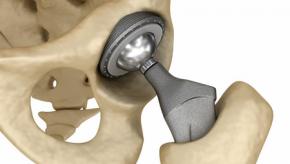
Need for Pre-operative Hyperglycemia Testing Prior to Total Joint Replacement
JAMA reports on a large Medicare cohort study showing that amongst patients undergoing total joint replacement (TJR), preoperative HbA1c testing was performed in 26% to 43% of patients with diabetes and in only 5% of those without diabetes. Importantly research has shown that an elevated HbA1c level is associated with postoperative complications.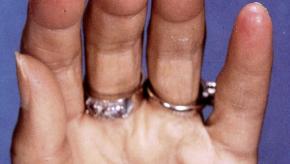
Riociguat Fails in Systemic Sclerosis-Associated Digital Ulcers
Riociguat is an oral, selective soluble guanylate cyclase stimulator that has been studied in patients with digital ulcers (DU) due to systemic sclerosis (SSc) but study results show that short term (16 weeks) riociquat therapy does not sufficiently reduce the DU burden in SSc patients.

Anti-IL-23 Beats IL-17 in Plaque Psoriasis
Lancet reports a head-to-head trial of antibodies against interleukin (IL)-23 and IL-17A in patients with moderate-to-severe psoriasis favored guselkumab with superior PASI 90 responses at week 48 (compared to secukinumab).

Nintedanib FDA Approved for Scleroderma Lung Disease
Last Friday, the US Food and Drug Administration approved Ofev (nintedanib) to slow the rate of decline in pulmonary function in adults with interstitial lung disease associated with systemic sclerosis or scleroderma, called SSc-ILD. ILD as a complication of SSc may lead to progressive loss of lung function and may be associated with a significant mortality risk. Prior to the approval of Olev, there were no FDA approved drugs for SSc-ILD.
RA Women are Less Likely to Breastfeed
A large pregnancy registry has published their results showing rheumatoid arthritis (RA) patients who become pregnant are less likely to breastfeed compared to non-RA women from the general population, with many women stopping breastfeeding so that they could start medication, even though many of
RheumNow Podcast – Do’s and Don’ts in Spondylitis (9.5.19)
Dr. Jack Cush reviews the news and important research published in the last two weeks on RheumNow.com.

Modifiable Risk Factors for Hyperuricemia
Choi and colleagues have shown that four modifiable risk factors (BMI, the DASH diet, alcohol use, and diuretic use) could individually account for a notable proportion of observed hyperuricemia.