News

Don’t Hold the JAK (10.9.2026)

On this week's podcast, Dr. Jack Cush reviews the news: Steroids are easy to start and hard to stop; hold the MTX but not the biologic or JAK, weighing in on avacopan, and age-old messages for old-age patients. 

Can DMARD Doses Be Safely Reduced for RA Patients?

MedPage Today
Close to 90% of patients with rheumatoid arthritis (RA) well controlled on targeted therapies were able to take 50% dosage reductions without experiencing worsened disease activity in a randomized trial, South Korean researchers said.

Don't Hold the Biologic or JAK with COVID-19 Vaccination

A randomized clinical trial in inflammatory arthritis arthritis shows that temporarily holding biologic or Janus kinase (JAK) inhibitor therapy at the time of COVID-19 vaccination is not warranted.

Predicting and Preventing Psoriatic Arthritis

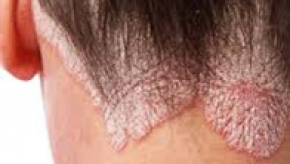
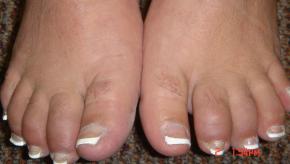
Psoriatic arthritis is often underdiagnosed in those with psoriasis (PsO), leading to diagnostic delays an undertreatment.

POETYK PsA-1 - Efficacy and Safety of Deucravacitinib in Psoriatic Arthritis

van der Heijde et al have published the results of the phase 3 POETYK PsA-1 trial demonstrating that deucravacitinib was superior to placebo in clinical responses, patient-reported outcomes, and structural damage inhibition in patients with psoriatic arthritis (PsA).

EBR Journal Club: Brepocitinib in Dermatomyositis (VALOR)

The EBR Journal Club Companion applies my adapted version of the JAMA approach to critical appraisal. Each review covers four domains: Does this apply to my patients? What is the risk of bias? How great are the benefits and harms? And what didn’t they show me? Feel free to use this in your own journal clubs! This edition: VALOR (brepocitinib in dermatomyositis).

Exercise Can Improve Pain

This pooled meta-analyses (n=197,392) shows that exercise reduced pain versus control immediately after the intervention (SMD −0.59; 95% CI −0.65 to −0.53; P0.001). The benefit held across musculoskeletal, inflammatory, neurologic and cancer pain, and for every modality tested.

Triple Hormone Receptor Agonist for Treatment of Obesity and Knee Osteoarthritis

The NEJM reports that retatrutide, an investigational incretin agent, was shown to yield up to 25% weight reduction, with subanalyses also showing reduced pain with knee osteoarthritis, and less apnea–hypopnea events in participants with obstructive sleep apnea.

Remission – Believe it or Not (10.2.2026)

Dr. Jack Cush reviews the news and journal articles from the past week on RheumNow.com.

Petri SLE Pearls: An Update

At the CCR West 2026 conference in Huntington Beach, California, Dr. Michelle Petri updated her Petri Pearls. Some are derived from new data, while others are from her extensive experience caring for patients with systemic lupus erythematosus (SLE).

Ambient AI in Rheumatology Practice: Less Typing or Less Human?

Ambient AI documentation is being adopted as a tool for clinical documentation, with the potential to improve efficiency and patient interaction. This may be particularly well suited to rheumatology, where visits often involve complex, longitudinal histories, multiple high-risk medications, and extensive counseling. Ambient AI also introduces significant risks.

The GLP-1 Opportunity Cost in Rheumatology

There is no doubt it is an incredibly exciting time to be tackling obesity-related diseases, like many rheumatic diseases appear to be, to some extent. However, deep down, a part of us must dread adding yet another conversation to a crowded consultation. One of two things has to happen: we either outsource, or get more efficient. Ideally we can do a bit of both.

Supervised Physiotherapy Wins after ACL Repair

The Annals of Internal Medicine has shown that chronic knee symptoms following anterior cruciate ligament reconstruction (ACLR) surgery is significantly lessened by a program of physiotherapist-supervised exercise therapy with education compared to single education and self-directed exer

Link Between Obesity and Psoriatic Arthritis

Obesity is an incidental comorbidity in psoriatic arthritis (PsA). It is a modifiable, mechanistically active driver of disease onset, severity, and treatment failure. A new comprehensive review in RMD Open (Madsen et al., 2026) synthesizes 49 studies suggesting that weight management belongs in the core PsA treatment algorithm.

The weight is off, the DMARDs are off - now what?

That promised land of substantive weight loss comes within it the illusion of better disease control and, for inflammatory arthritis patients, the possibility of reducing the burden of regular medicines - often driven by the patient, with or without telling you. It is a dream worth aspiring to and, as we’ve discussed this month, one which is increasingly achievable, albeit still for a small minority of patients. So for those who do reach that ultimate goal, what next?
×