


Link Between Obesity and Psoriatic Arthritis Save


Know-it-now
- Obesity is disease-modifying in several ways. The shared adipokine/cytokine biology (leptin, chemerin, TNF-α, IL-17, IL-23) links excess adiposity directly to PsA pathogenesis and severity.
- Efficacy of most TNFi is measurably reduced by obesity (not so for IL-17 inhibitors).
- Modest weight loss (5–10%) produces disease-activity improvements.
- TOGETHER-PsA is the first RCT proof-of-concept that pairing a biologic with an incretin therapy beats biologic monotherapy on both ACR50 and weight endpoints.
- Guidelines lag the evidence—current EULAR/GRAPPA/ACR frameworks lack concrete pharmacological weight-management guidance, leaving a real-world practice gap for rheumatologists to fill proactively.
Obesity is an incidental comorbidity in psoriatic arthritis (PsA). It is a modifiable, mechanistically active driver of disease onset, severity, and treatment failure. A new comprehensive review in RMD Open (Madsen et al., 2026) synthesizes 49 studies suggesting that weight management belongs in the core PsA treatment algorithm.
Mechanistic case. Adipose tissue functions as an active endocrine organ, and in obesity its adipokine secretion profile shifts to being pro-inflammatory. Proinflammatory adipokines (leptin, chemerin, resistin, and visfatin) rise while anti-inflammatory adipokines (adiponectin, omentin-1, and vaspin) fall. These adipokines influence the same TNF-α, IL-6, IL-17, and IL-23 axes that define PsA pathogenesis. Leptin drives Th1/Th17 differentiation and macrophage recruitment, while anti-progranulin antibodies (elevated specifically in PsA, not psoriasis alone) neutralize a normally TNF-antagonizing adipokine, correlating with more frequent enthesitis and dactylitis. Genetic overlap (FTO, MC4R, LEPR, BDNF variants) further links obesity and early-onset psoriatic disease.
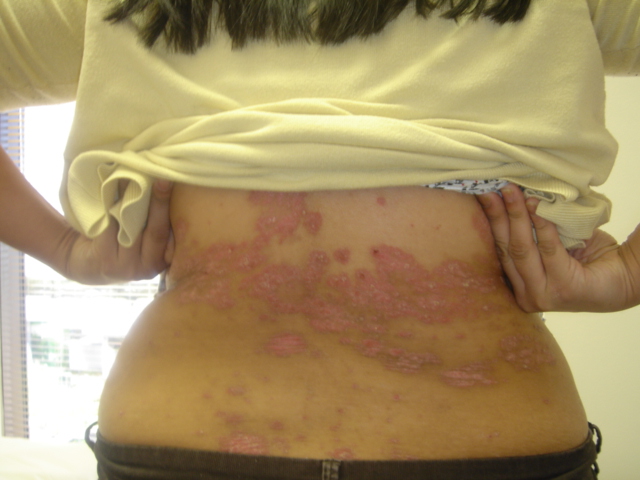
Epidemiologic burden. Each unit increase in BMI raises PsA risk by 5.3% in psoriasis patients, and patients with obesity plus psoriasis are three times more likely to develop PsA. Obese PsA patients show more severe phenotypes - tuft resorption, plantar and Achilles enthesitis, pelvic enthesitis, and lower remission rates. Cardiometabolic overlap is substantial: >50% of PsA patients have at least one comorbidity, 16% have insulin resistance, 6–20% have T2D, and PsA independently raises MI risk by 68% and stroke risk by 22%.
Obesity can blunt treatment response – but differs drug by drug. TNF inhibitor efficacy is reduced, likely via altered pharmacokinetics/distribution in expanded adipose compartments, prompting consideration of weight based IV dosing. IL-17i data are reassuring; ixekizumab shows consistent efficacy across weight categories, while secukinumab data are mixed. JAK inhibitors carry their own obesity-adjacent liability: the ORAL Surveillance signal for MACE in smokers and older RA patients, plus a documented weight-gain effect, complicates their use in this population.
Weight loss as disease-modifying therapy. In the DIETA trial, a 12-week hypocaloric intervention produced a fourfold improvement in DAS28-CRP. Weight loss ≥18.6% correlated with ACR20 response rates of 71% vs 30% in non-responders (p=0.008). Even modest 5–10% weight loss meaningfully improves disease activity and function. Bariatric surgery has been shown to have a protective effect against PsA development in psoriasis patients.
Advance of GLP-1/GIP therapy. Semaglutide is a single GLP-1 agonist that was shown to yield 15.3% weight loss at 68 weeks. Tirzepatide is a dual agonist for GIP and GLP-1 and was more effective with 20.9% weight loss at 72 weeks. In the phase IIIb TOGETHER-PsA trial (NCT06588296, n=271), ixekizumab plus tirzepatide achieved ACR50 + ≥10% weight loss in 31.7% vs. 0.8% with ixekizumab alone (p<0.001), with ACR50 response rates of 33.5% vs 20.4% (p=0.02). This is the first randomized evidence that combined treatment of both metabolic and inflammatory disorders significantly outperforms biologic monotherapy in PsA.
Guidelines. Current EULAR, GRAPPA, and ACR/NPF guidelines are behind in incorporating these advances into treatment algorithms. Currently they offer only conditional or absent recommendations on obesity management. GRAPPA has flagged weight-management as an added patient burden without strong endorsement.
Related Content


ADD THE FIRST COMMENT
Disclosures
Disclosures
The author has no conflicts of interest to disclose related to this subject
The author used AI to research and organize this content, and maintains responsibility for its accuracy





If you are a health practitioner, you may Login/Register to comment.
Due to the nature of these comment forums, only health practitioners are allowed to comment at this time.