


POETYK PsA-1 - Efficacy and Safety of Deucravacitinib in Psoriatic Arthritis Save

Know-it-now
Deucravacitinib shows modest real articular efficacy - with ACR20/50/70 response rates a bit better than apremilast, these are below what biologics and JAK inhibitors achieve. Peak response takes 6–9 months.
Skin responses are standout - PASI75 of 52% vs 7% at Week 16, rising to 66% at Wee, 52, favors deucravacitinib in skin-predominant PsA.
X-ray structural claim rests on post hoc analysis. While the prespecified radiographic endpoint failed, post hoc rescue analysis suggests xray benefit is plausible - but not conclusively proven.
Very clean safety profile. There was MACE, VTE or malignancy imbalance. Acne and URIs are the main safety issues.
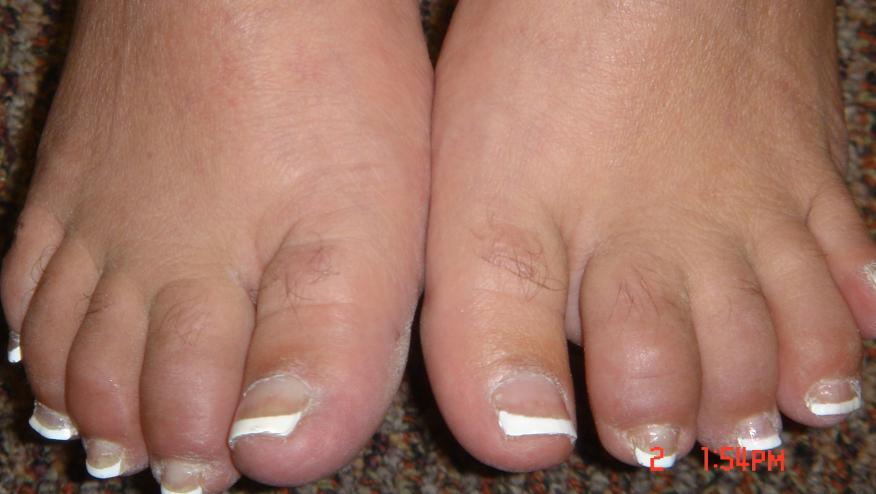
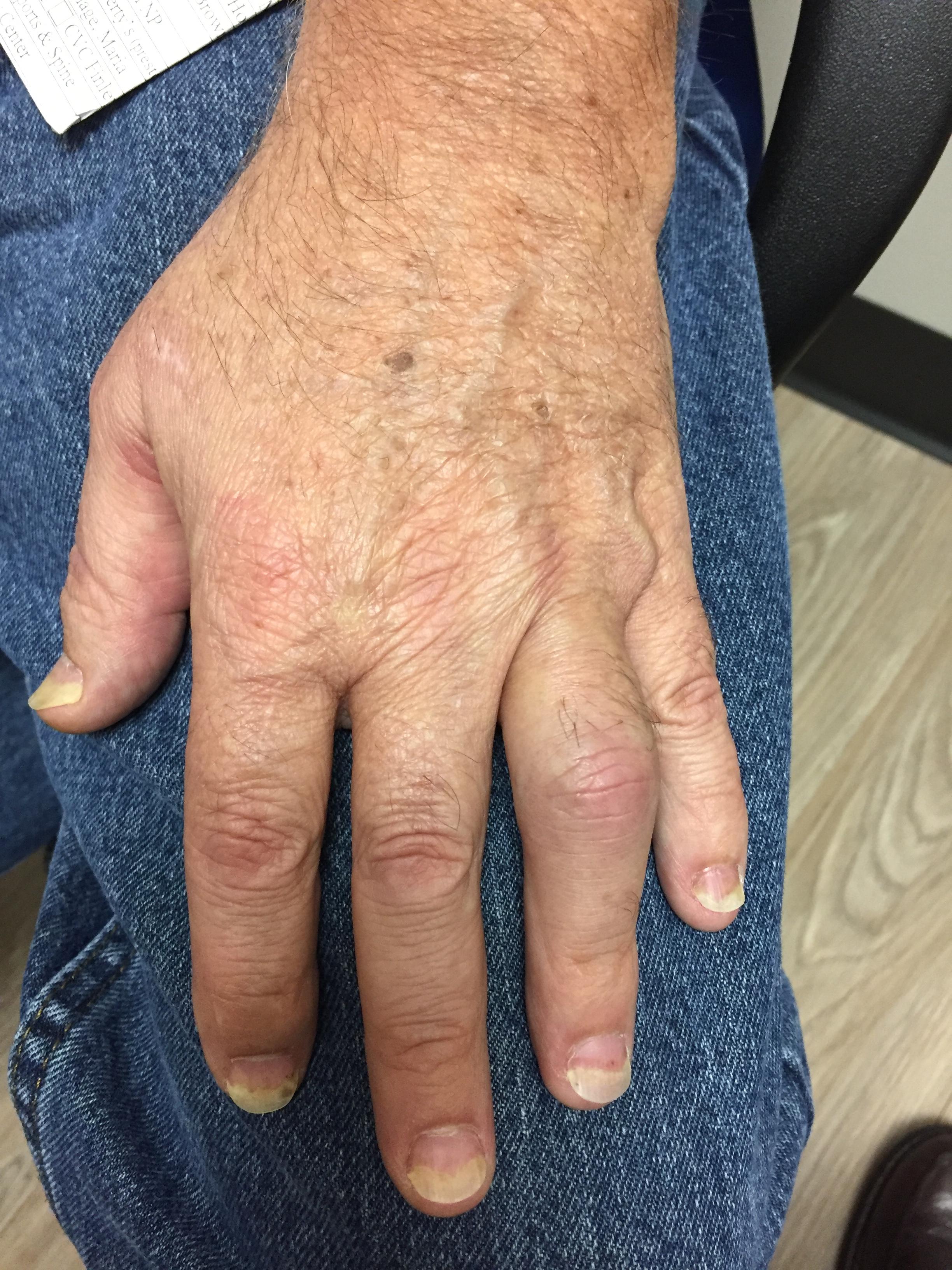
van der Heijde et al have published the results of the phase 3 POETYK PsA-1 trial demonstrating that deucravacitinib was superior to placebo in clinical responses, patient-reported outcomes, and structural damage inhibition in patients with psoriatic arthritis (PsA).
This multicenter, phase 3, double-blind RCT randomized 670 bDMARD-naïve adults to either deucravacitinib 6 mg daily or placebo. Patients assigned to placebo switched to deucravacitinib at Wk16 and continued through Wk52. Active disease was defined as ≥3 tender and ≥3 swollen joints, hsCRP ≥3 mg/L, and ≥1 radiographic hand or foot erosion. At baseline these patients had a disease duration of 7.7 years, TJC 19.0, SJC 10.5, and DAS28-CRP 5.0. Background csDMARDs were used by 70% (methotrexate 58%), and 82% of patients completed 52 weeks.
The primary endpoint was met:
ACR20 was 54.2% vs 34.1% (Δ20.0%, 95% CI 12.7–27.4; P<.001).
ACR50 was 24.7% vs 13.5%
ACR70 11.6% vs 5.4%.
PASI75 was 51.9% vs 7.1%
MDA 19.0% vs 10.2% (P=.001).
HAQ-DI improved −0.39 vs −0.22 and SF-36 PCS 6.06 vs 3.71 (both P<.001).
Other responses favored Deucra, but were not significant:
LEI enthesitis resolution (50.3% vs 45.1%, P=.18)
dactylitis resolution 57.6% vs 44.1%
- SPARCC enthesitis resolution 47.1% vs 36.1%
- DAPSA low disease activity or remission 34.8% vs 21.6%
- FACIT-Fatigue 4.6 vs 2.0
Clinical responses kept rising after Wk16, plateauing at about W28 for ACR20, W36 for ACR50 and W40 for ACR70. With continuous deucravacitinib, ACR20/50/70 reached 63.1%/40.5%/25.0%, MDA 33.9%, and PASI75/90/100 66.0%/45.1%/30.9%. Placebo switchers converged on the same results (ACR20 60.8%, MDA 34.4%).
The prespecified parametric ANCOVA showed no difference in mSvdH change (0.78 vs 0.64; P=.76). About 20% of scans had been excluded by the windowing rules. A post hoc rank ANCOVA without imputation was significant in both the protocol-defined population (P=.019) and the full population (P=.009). Nonprogression, defined as change ≤0, was 82.0% vs 72.9% (P=.017) and 82.0% vs 71.5% (P=.003). At a ≤0.5 threshold, the protocol-defined comparison was not significant (86.5% vs 81.7%, P=.16).
Absolute progression was trivial in both arms (W0–16: 0.40 vs 0.57 units). Baseline mSvdH was also imbalanced: 29.1 in the placebo arm vs 20.2 with deucravacitinib.
Safety. There were no new safety signals identified, with upper respiratory infection more frequent with (5.1% vs 3.0%). Skin AESIs occurred in 9.0%, of which 18 events were acneiform. Through Wk 52, there were no deaths, opportunistic infections or IBD. With continuous deucravacitinib there was 1 haemorrhagic stroke and 3 malignancies (2 prostate, 1 glioblastoma). Hypertension occurred in 7.8% on continuous drug. ALT, AST, CK and triglycerides did not change meaningfully.
Deucravacitinib is an effective, and well-tolerated in biologic-naïve PsA, with strong skin efficacy and moderate joint efficacy that keeps improving beyond Wk16. Enthesitis and radiographic superiority remain hopeful but yet to be proven.
RheumNow also recently reported the results of the phase 3 POETYK PsA-2 trial. Both trials compared deucravacitinib to placebo in active psoriatic arthritis, and both met their primary endpoint of ACR20 at week 16 (54.2% in each study), but the PsA-2 trial included an apremilast comparator arm but did not look at structural (radiographic) damage.
These studies are compared below:
| Feature | POETYK PsA-1 [1] | POETYK PsA-2 [2] |
|---|---|---|
| Publication | Ann Rheum Dis, Sep 2026 (van der Heijde et al.) | Arthritis & Rheumatology, Jul 2026 (Mease et al.) |
| Registration | — | NCT04908189 |
| Population | Strictly bDMARD-naïve; required hs-CRP ≥3 mg/L and ≥1 PsA-related hand/foot erosion on radiograph | bDMARD-naïve or prior TNF inhibitor exposure (broader, includes biologic-experienced) |
| N randomized | 670 | 729 |
| Randomization / arms | 1:1 deucravacitinib vs placebo (no active comparator) | 3:3:1 deucravacitinib : placebo : apremilast 30 mg BID (safety reference arm) |
| ACR20 at Wk16 | 54.2% vs 34.1% placebo (P < .001) | 54.2% vs 39.4% placebo (P = 0.0002) |
| ACR20 at Wk52 | Increased with continuous deucravacitinib; switchers similar | 62.2% (deuc-deuc); 67.3% (placebo-deuc) |
| Structural damage | Yes — radiographic inhibition of structural damage at W16 and Wk 52 (enrolled an erosive, high-CRP population to enable this) | Not a focus (no erosion entry requirement) |
| Apremilast comparator SAEs | Not applicable | SAEs: placebo 1.0%, deucravacitinib 1.9%, apremilast 3.8% at W16 |
Related Content


ADD THE FIRST COMMENT
Disclosures
Disclosures
The author has no conflicts of interest to disclose related to this subject
The author used AI to research and organize this content, and maintains responsibility for its accuracy




If you are a health practitioner, you may Login/Register to comment.
Due to the nature of these comment forums, only health practitioners are allowed to comment at this time.