Physical Therapy is More Cost-Effective than Intraarticular Steroids in Knee OA
A randomized trial compared the incremental cost-effectiveness of physical therapy and intra-articular glucocorticoid (IA GC) injection as initial treatment for knee osteoarthritis showed that physical therapy gained more quality-adjusted life-years compared with those receiving glucocorticoid injection.

MMWR: Booster Vaccine Efficacy in Immunosuppressed Patients
For adults aged ≥18 years who received 2 doses of an mRNA COVID-19 vaccine, a third dose increased vaccine effectiveness (prevention of hospitalization) among adults without (82% to 97%) and with immunocompromising conditions (69% to 88%), with near similar efficacy.
The ACIP recommends administration of a third COVID-19 mRNA vaccine dose as part of a primary series among immunocompromised adults, or as a booster dose among immunocompetent adults, provides improved protection against COVID-19–associated hospitalization.

Risk vs. Benefit Lessons from the ORAL Surveillance Study

The Last Word on JAK Inhibitor Safety & 1133 Study (1.28.2022)
Dr. Jack Cush reviews the news and journal articles from the past week on RheumNow.com. This week a trifecta of Gout reports and the last word on the ORAL Surveillance study...

ACR Newly Revised COVID-19 Vaccine Clinical Guidance for RMD Patients
Healthy Diets Prevent Gout in Women
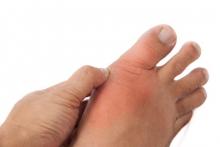
A prospective cohort from the Nurses’ Health Study has demonstrated that eating a healthy diet results in a 12% to 32% lower risk of incident gout and an even greater risk reduction (65% to 68%) when combined with normal weight and avoiding diuretics.

ACR/EULAR 2022 Classification Criteria for Granulomatosis with Polyangiitis
The ACR/EULAR 2022 revised classification criteria for granulomatosis with polyangiitis (GPA) have been updated with performance characteristics and are validated for use in clinical research.
An international cohort of patients with vasculitis and acomparator diseases were recruited to develop criteria based on 91 candidate variables. Regression analysis narrowd this to 26 items for a GPA diagnosis; 10 of which were retained as final criteria. The diagnosis of GPA is based on achieving a score based on weighted variables (given points).
ACR/EULAR 2022 Classification Criteria for Microscopic Polyangiitis
The 2022 ACR/EULAR classification criteria for microscopic polyangiitis (MPA) have been developed, validated and are now ready for use in clinical research.
An international cohort of patients with vasculitis or comparator diseases were recruited to first develop criteria and then validate criteria.
ACR/EULAR 2022 Classification Criteria for EGPA
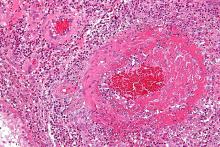
The 2022 ACR/EULAR revised classification criteria for eosinophilic granulomatosis with polyangiitis (EGPA) have been revised and validated for use in clinical research.
This international cohort of vasculitis and comparator cases were to develop and validate criteria based on 91 candidate variables. By regression analysis these were narrowed to 11 items for the diagnosis of EPGA; 7 of which were retained.

Pediatric Rheumatology Workforce Shortages
Two recent analyses from the USA and Canada point to a significant unmet need with regard to pediatric rheumatologists.
The 2015 pediatric rheumatology workforce in the US was evaluated by the American College of Rheumatology, estimating the Pediatric rheumatology supply and demand projected through 2030.
As of 2015 the pediatric rheumatology workforce was estimated at 287 FTEs (300 providers), with an estimated excess demand was 95 (33%). Provided no changes in training trends, it was estimated the demand will increase almost 100% (n = 230) by 2030.
An Ounce of Prevention (2.4.2022)
Dr. Jack Cush reviews the news and journal reports from this past week on RheumNow.com. He discusses the GI side effects of IL-17 inhibitors, downstream revenues from rheumatology care and dietary prevention of gout.

X-Linked Hypophophatemia - Survey Results
The July 2021 RheumNow “Live Vote” surveyed US and non-US rheumatologists on their knowledge and practices when dealing with the bone disorder, X-linked hypophosphatemia (XLH). Although rare, XLH can be a diagnostic consideration in patients with recurrent fractures, rickets, osteomalacia and a family history of fractures.

Methotrexate Side Effects
Data came from the UK Rheumatoid Arthritis Medication Study (RAMS), a prospective cohort of early RA patients starting methotrexate (MTX) shows that in the first year, adverse events (AE) were common, but not serious.
A total of 1069 patients were enrolled and followed at 6 and 12 month intervals. Adverse events were noted:

Vitamin D and the Risk of Autoimmune Diseases
The results of the VITAL study (presented at ACR 2021) are now published by BMJ, showing that vitamin D and omega 3 fatty acids reduce the overall risk of autoimmune disease (AID) in a population based intervention trial.
Why Would Hand OA Be Less Severe in Black People?
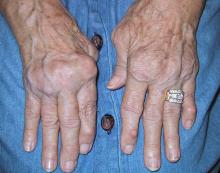
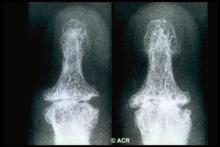
Osteoarthritis (OA) of the hand was less severe according to objective and pain-related markers in Black patients versus those of other racial/ethnic groups after adjustment for known risk factors, researchers found.
The finding was a major surprise and somewhat mysterious, insofar as previous studies have shown that OA of the hip and knee tended to be worse in Black people than in others. Indeed, it's unclear why race in and of itself would have any bearing on OA development.

ACR Updates Clinical Guidance for Multisystem Inflammatory Syndrome in Children Associated With COVID
A Task Force from the ACR has provided an updated (version 3) guidance for the diagnosis and management of Multisystem Inflammatory Syndrome in Children (MIS-C), a COVID related condition characterized by fever, inflammation, and multiorgan dysfunction. The current guidance also applies to children with hyperinflammation during COVID-19, the acute, infectious phase of SARS–CoV-2 infection.
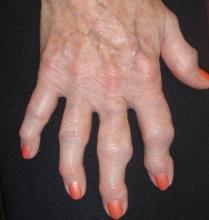
Hand Pain Related to Obesity and Inflammatory Markers
Arthritis & Rheumatology has published the results of the Nor-Hand study, showing that pain hand osteoarthritis (OA) was related to a higher body mass index (BMI) and also to inflammatory adipokines, such as leptin.
The Nor-Hand study enrolled 281 hand OA patients, assessed their pain in multiple joints, overall pain with several indices, including the WOMAC, NRS and AUSCAN and measured inflammatory biomarkers.
Per 5 unit increase in the BMI hand pain was significantly worse, according to AUSCAN, NRS (foot pain) and WOMAC (assessing knee/hip pain).

Recommendations on Telemedicine in Rheumatology
The integration of Telemedicine in to rheumatologic care was ignited by pandemic restrictions in early 2020 and since the advantages and disadvantages have been debated. Disadvantages included limitations based on technology (especially in older and non-priviledged groups), exam assessments and patient communications. The advantages of telehealth are numerous, including patient safety, travel and mobility limitations, expediency, cost and convenience.
Hand OA and Heroes in Rheumatology (2.11.2022)

Rheumatology Valentine

Rheumatoid Arthritis Nonadherence is Multifactorial
The consequences of medication non-adherence (NA) in rheumatoid arthritis (RA) care are numerous and damaging. A 6-month prospective cohort study of RA patients shows NA to vary according to drug type and be related to psychological, communicational, logistic, sociodemographic or clinical factors.
In this study treatment adherence was defined as > 80% on both the Compliance Questionnaire in Rheumatology and the Reported Adherence to Medication scale. 6-month adherence was examined by multilevel logistic models adjusted for baseline covariates.

CV Risk Management in Rheumatic Disease Patients
The European League against Rheumatism (EULAR) has developed recommendations for cardiovascular risk (CVR) management in rheumatic disease patients based on literature review and expert consensus.
These recommendations are applicable to patients with gout, vasculitis, systemic sclerosis (SSc), myositis, mixed connective tissue disease (MCTD), Sjögren’s syndrome (SS), systemic lupus erythematosus (SLE) and antiphospholipid syndrome (APS).

Two Year Guselkumab Benefits in Psoriatic Arthritis
Patients enrolled in one of the pivotal trials of guselkumab (Tremfya) as therapy for psoriatic arthritis (PsA) and followed for 100 weeks continued to show significantly reduced symptoms relative to pretreatment baseline, researchers said.
ACR70 responses, indicating a 70% decrease in symptom severity by American College of Rheumatology criteria, were still seen in 34% to 39% of participants at 100 weeks, depending on the dosage, reported Iain McInnes, PhD, of the University of Glasgow in Scotland, and colleagues in Arthritis & Rheumatology.
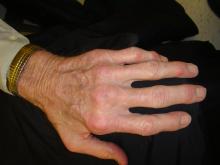
BMI Most Impairs Treatment Response in Rheumatoid Arthritis
Using a large cohort of rheumatoid arthritis (RA) patients, Tumor-Necrosis Factor inhibitors (TNFi) were compared to non-TNFi biologic therapies and showed that poorer responses were seen in obese and underweight patients, with no clear superiority of non-TNFi therapy over TNFi therapy in any BMI category.
RA cohort data from the CorEvitas (CORRONA) registry were analyzed for clinical outcomes with patient weight (BMI) further subcategorizing patients.
The study included 2891 TNFi and 3010 non-TNFi initiators.
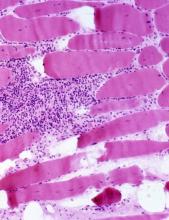
Predicting Treatment Response in Inflammatory Muscle Disorders
Rheumatologists looking for clues to whether their patients with certain inflammatory myopathies will improve on immunosuppressive drugs may find them in a new study appearing in Arthritis Care & Research.
Presence of dermatomyositis-specific autoantibodies, shorter time between symptom onset and diagnosis, dysphagia, and relatively intense initial therapy were each associated with better treatment response at 1 year, reported Fabricio Espinosa-Ortega, MD, and colleagues at the Karolinska Institute in Stockholm.

Did Your Specialty Choose You?
Why did I end up a rheumatologist? Circumstance, personality types, horoscopes or what? A current study in BMJ sheds light on why.
A physician cohort questionnaire-based study was distributed online survey tool, asking questions about zodiac sign, specialty preferences and personality features of physicians.
A total of 1923 physicians responded (February and March 2020). Personality types differed amongst the different medical specialties.
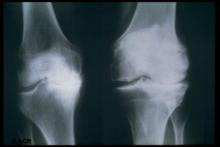
Positive Results from the DOA (Duloxetine in OsteoArthritis) Study
A pragmatic, open-label trial of osteoarthritis (OA) patients demonstrated that adding duloxetine treatment seems to be beneficial for end-stage knee OA patients with neuropathic-like symptoms (at risk of central sensitization).
While duloxetine is approved for the treatment of chronic pain from OA, some studies have shown minimal to mixed results.
RheumNow Podcast - RWCS 2022 Roundup (2.19.2022)
Drs. Jack Cush and Artie Kavanaugh review the highlights of the RWCS (Rheumatology Winter Clinical Symposium) from Maui.
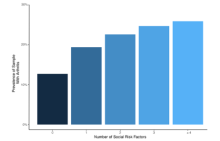
Increased Odds of Arthritis with Social Risk Factors
MMWR has published the results of the 2017 Behavioral Risk Factor Surveillance System showing that increases in the number of social risk factors independently increases the odds of arthritis and its burden in the USA.
While there are several risk factors that have been associated with arthritis prevalence and costs, this study was unique in assessing the contribution of multiple social risks of the prevalence and burden of arthritis by using a representative sample of adults in 17 US states, specifically using the BRFSS population based survey system.