With overwhelming support from some 200 experts worldwide, dosing of methotrexate (MTX) for psoriasis should start at 15 mg/week for most adults, though lower in those considered "vulnerable" and in children, according to a new consensus statement.

All News
Throughout the month of April 2022, RheumNow is introducing a new approach to education and information sharing – a campaign devoted to a single disease. Our first campaign is entitled PsA All the Way: RheumNow will escalate awareness on this topic, its unmet needs, clarify advances and discuss key advances and modern disease management. We're featuring guest bloggers, hosting Tuesday Night Rheumatology, posting slides and videos, and much more dedicated to PsA.
Heart Risks Elevated in RA Patients Despite Biologic Tx
Hopes that biologic drugs for rheumatoid arthritis (RA) would cancel the extra cardiovascular risks normally seen with the disease dimmed a little in the face of findings from a population-based study from Scandinavia.
Socioeconomic status (SES) often associates with poorer outcomes in systemic lupus erythematosus (SLE) patients; and a current study suggests this is unrelated to healthcare access issues.
Tacrolimus Measures Up in Lupus Nephritis Trial
In a phase III trial, oral tacrolimus (Prograf) proved non-inferior to intravenous cyclophosphamide for treating lupus nephritis, researchers said.
Today, the U.S. Food and Drug Administration authorized a second booster dose of either the Pfizer-BioNTech or the Moderna COVID-19 vaccines for older people and certain immunocompromised individuals.
Administrative claims analysis of biologic use in psoriasis (PsO) and psoriatic arthritis (PsA) in French health insurance databases shows that despite widespread biologic use, overall drug persistence (beyond 3 years) was low for PsO and PsA biologics.
The NEJM has published the results of the BRAVE-AA1 and BRAVE-AA2 trials, demonstrating that baricitinib is effective at regrowing hair in alopecia areata (AA) patients, thus paving the way for future regulatory approval for this difficult to treat disorder.
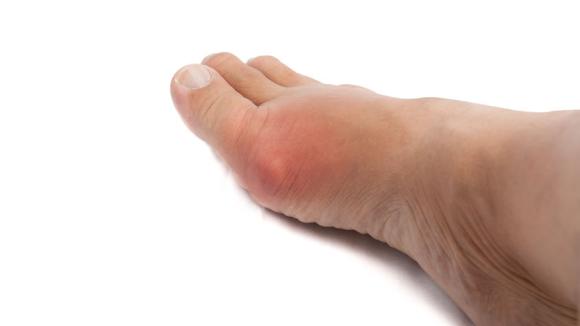
A study of men with gout from the US Veteran’s Health Administration (VHA) shows that excess mortality in gout could be attributed to comorbidities.
ACR Open Rheumatology reports that systemic lupus erythematosus (SLE) patients have a higher risk of postoperative major adverse cardiac events (MACE) that can be identified by common cardiac risk measures.
A prospective, longitudinal systemic lupus erythematosus (SLE) cohort study examined outcomes and showed that failure to control SLE was common and associated with poorer outcomes including organ damage, glucocorticoid exposure, poor quality of life, and increased mortality.
In patients with osteoarthritis (OA) of the knee, intra-articular injections of steroids did not increase rates of either disease progression or subsequent knee replacement surgery, researchers said.
A retrospective cohort study from Kaiser Permanente Southern California intramuscular vaccination given between 2016 and 2017 shows a small but significant increase in shoulder conditions, reported as an adverse event (AE) following intramuscular vaccination in the deltoid muscle.
An interesting study in Lancet Rheumatology shows that psoriatic arthritis patients not responding to methotrexate alone can respond after adding or escalating adalimumab (ADA) on top of methotrexate (MTX) to reach minimal disease activity (MDA) response.
This week we're going to talk about the downside of TNF inhibitors, a few interesting observations in gout, and yes, kids do get COVID. We're also going to preview what's coming in April (hint: it's about PsA). This and more as Dr. Jack Cush reviews the news and journal articles from the past week on RheumNow.com.
The NEJM reports that systemic lupus erythematosus (SLE) patients treated with iberdomide, a cereblon modulator, was effective at yielding a significant SRI-4 clinical response after 24 weeks.
Rheumatoid arthritis associated bronchiectasis (RA-BR) is uncommon, and is unrelated to interstitial lung disease (ILD), but like ILD, can substantially impact RA outcomes.
Analysis of emergency department visits from two UK hospitals shows a high rate of hospitalization, and low use of urate-lowering therapies (ULT) and treat-to-target (T2T) management.