
Article
Dr. Jack Cush reviews highlights from this week's rheumatology news on RheumNow.com.

Search for Terms or Answers
Dr. Jack Cush reviews highlights from this week's rheumatology news on RheumNow.com.

The Food and Drug Administration’s Arthritis Advisory Committee (AAC) yesterday recommended that the Sandoz etanercept (Enbrel) biosimilar (GP-2015) be approved for use in the United States.

MedScape has reported that the US Food and Drug Administration (FDA) has approved lifitegrast ophthalmic solution (Xiidra, Shire) for the treatment of signs and symptoms of dry eye disease.

The Food and Drug Administration’s Arthritis Advisory Committee yesterday recommended that Amgen biosimilar (ABP 501) to Humira (adalimumab) be approved for use in the United States.

Cryotherapy is a non-FDA approved treatment that has been promoted to treat post-athletic injury, osteoarthritis,rheumatoid arthritis, fibromyalgia, alzheimers, migraines, asthma, multiple sclerosis, etc. Cryotherapy may be as simple as ice packs on a localized portion of the body, such as the lower back, or may involve whole body cryotherapy.

Female academic physicians at public medical schools had lower average salaries than their male counterparts, a disparity that was only partly accounted for by age, experience, medical specialty, faculty rank and other factors, according to an article published online by JAMA Internal Medicine.

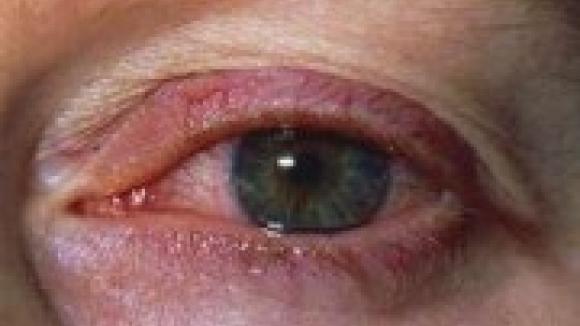
Autoimmune ophthalmic disease is a frequent challenge to rheumatologists from both a diagnostic and therapeutic perspective. Approved therapies are limited and have only been infrequently or comfortably utilized by rheumatologists and autoimmune ophthalmologists.
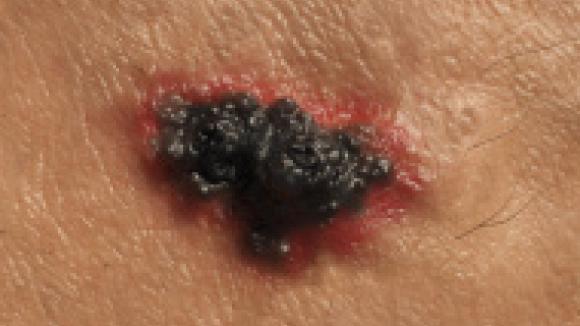
Since the introduction of TNF inhibitors nearly 20 years ago, concerns over a potential associated cancer risk have abounded. The recent ACR RA treatment guidelines have addressed this recently, stating that patients with any solid tumor cancer or risk thereof should be treated as if they ha

Accepting a single pharmaceutical industry-sponsored meal was associated with higher rates of prescribing certain drugs to Medicare patients by physicians, with more, and costlier, meals associated with greater increases in prescribing, according to an article published online by JAMA Internal Me

The EULAR Annual European Congress of Rheumatology meeting was held in London from June 8-11, 2016 and was well attended by thousands. This year’s meeting had over 2,000 poster displays, and the EULAR 2016 Congress presented new recommendations on the management of rheumatoid arthritis, spondyloarthritis, and fibromyalgia.

Dr. Jack Cush reviews the news, reports and highlights from EULAR and the last 2 weeks from RheumNow.com.
The combined analysis of 130,315 rheumatoid arthritis patients from 11 European registries did not reveal an association between invasive (malignant) melanoma and the use of biologic therapies.
Blocking the type 1 interferon receptor with the monoclonal antibody anifrolumab shows promise as a treatment for moderate-to-severe systemic lupus erythematosus (SLE), according to a phase IIb study presented here.

Prescription of long-acting opioids for chronic noncancer pain was associated with an increased risk of all-cause mortality, including deaths from causes other than overdose, compared with anticonvulsants or cyclic antidepressants, according to a study appearing in the June 14 issue of JAMA.

No increased incidence of inflammatory bowel disease has been seen among patients with psoriasis, psoriatic arthritis, or ankylosing spondylitis treated with secukinumab (Cosentyx) in the clinical trial programs for this interleukin (IL)-17A inhibitor, a researcher reported here.

Lancet has published the results of the U-ACT-early study assessing the efficacy of monotherapy versus combination therapy using an interleukin-6 receptor-blocking monoclonal antibody, tocilizumab, in patients with rheumatoid arthritis.

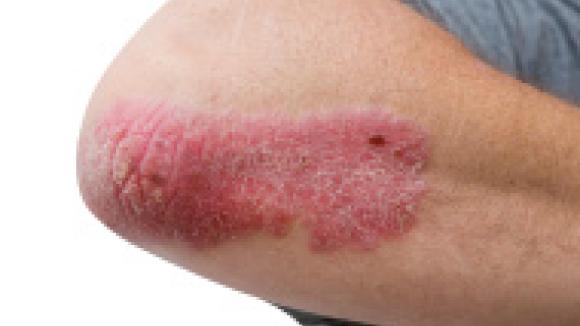
The NEJM today published the results of two phase-3 trials (UNCOVER-2 and UNCOVER-3) demonstrating the efficacy of ixekizumab (a monoclonal antibody against interleukin-17A) in the treatment of moderate-to-severe psoriasis.
The results of the PRAIRI study were presented today at EULAR 2016 in London. These early findings suggest that individuals "at-risk" to develop rheumatoid arthritis (RA) may benefit from a short course of intravenously rituximab therapy.

Desiree van der Heidje, MD, PhD presented the results of a 16-week, phase II, dose-ranging study of tofacitinib (TOFA) in patients with active ankylosing spondylitis.
The GiACTA study has published its top line results demonstrating the efficacy of adding tocilizumab (TCZ) to steroid-tapered therapy in patients with giant cell arteritis (GCA).
By downloading this material, I acknowledge that it may be used only for personal use and personal education and that I will accredit RheumNow.com as the source and owner of this material. Commercial use or mass reproduction of this material without permission from RheumNow (info@rheumnow.com) is prohibited.