
Article
This week's highlights from RheumNow.com include:

Search for Terms or Answers
This week's highlights from RheumNow.com include:

The NY Times reports that millions of Americans with osteoporosis are driven to stop or not take bisphosphonate therapies over the fear of exceedingly rare side effects - osteonecrosis of the jaw (ONJ) and atypical femoral fractures (AFF).
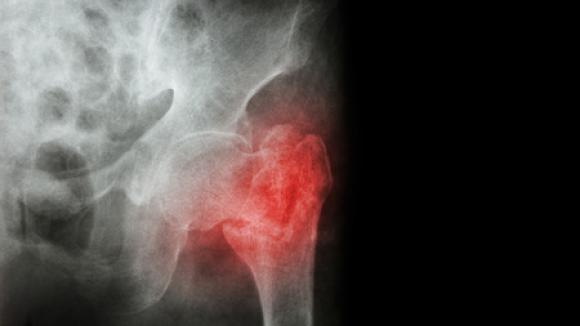
Tenosynovitis may represent a preclinical phase of rheumatoid arthritis (RA).
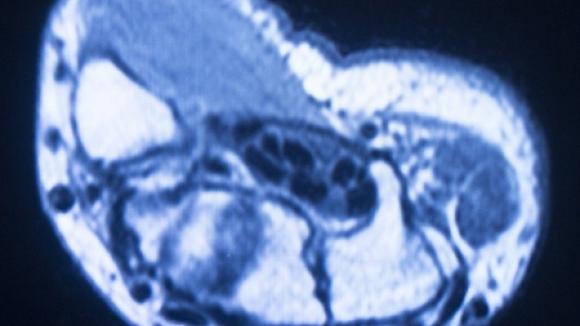
Gastrointestinal perforations (GIP) are not historically believed to be a common or uncommon complication. Hence, when this was noted in the tocilizumab (TCZ) and tofacitinib (TOFA) developmental trials, it was a curious if not perplexing finding.
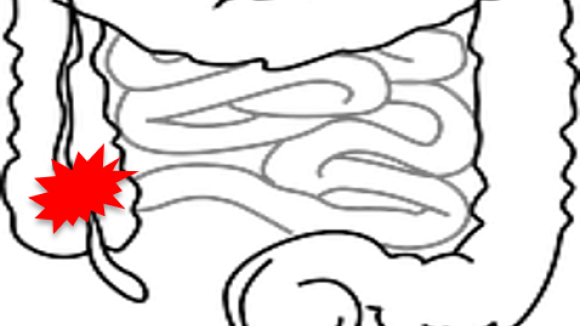
Pain management in the U.S. is at a vexing crossroad. The news tells us that narcotics are increasingly being restricted for their dangerous side effects and inappropriate use.

Good news for gout patients includes the recent approval of Zurampic (lesinurad), a URAT-1 inhibitor, and that effective urate-lowering therapy has significant long-term cardiovascular benefits.
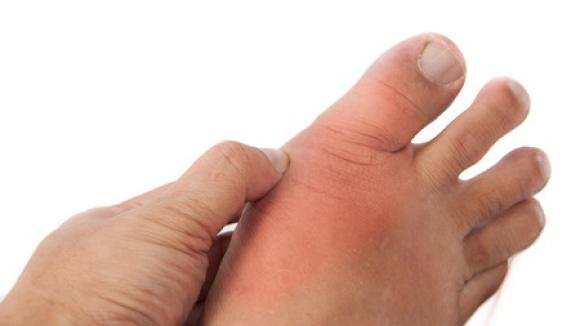
Dr. Cush reviews highlights from this week on RheumNow.com.
In the last two years there have been increasing reports of mosquito-borne infectious arthritides. Dengue fever was best known until the introduction of viral infections due to chikungunya and Zika.

Selective IL-23 inhibition has been touted to be the next great advance in the treatment of inflammatory bowel and psoriatic disease.

Polymyalgia rheumatica (PMR) should be easy and responsive, but it can be a challenge and requires long-term steroid therapy. Problems often begin when steroid–induced side effects take their toll on a patient, especially in elderly adults.

In an era of increasing fears over narcotic abuse and narcotic-related deaths, the number of opioid prescriptions in the United States is finally falling, the according to the NY Times.

The following is a compilation of several frequently asked questions regarding tuberculosis (TB) testing or treatment in patients on a TNF inhibitor (TNFi) or other biologic agents.
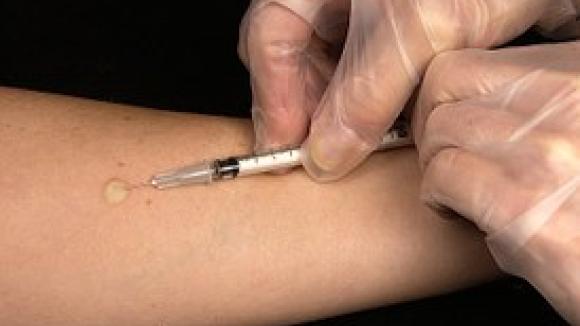
The initial choice of biologic is crucial to long-term success. Yet there are few studies evaluating head-to-head differences in some of our most popular therapies.

Dr. Jack Cush reviews this week's news and research highlights from RheumNow.com.
The New York Times reports that the FDA has delayed its much anticipated ruling on generics until sometime in 2017.

Morais and colleagues have published an informative review of rheumatologic and musculoskeletal (MSK) disorders that may potentially befall those with benign or malignant blood disorders. It is important to be aware of these associations.
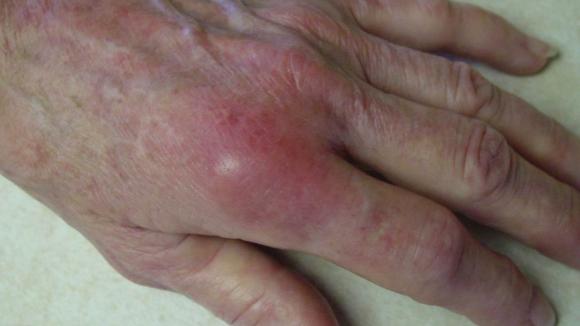
While the phenotypes of RA and SLE are quite different, genome-wide association studies (GWAS) performed in the past have shown a genetic overlap between both.

Rare reports of bisphosphonate associated atypical femoral fractures (AFF) and osteonecrosis of the jaw (ONJ) have raised concerns about the chronic use of bisphosphonates. The risk of AFF and ONJ was assessed in an analysis of the Swedish national database.
Two recent surveys show that gout patients are often uninformed, undertreated, improperly monitored and frequently stigmatized by their gout.

Singh and coworkers have assessed the value of adding a biologic to rheumatoid arthritis (RA) patients not responding to either methotrexate (MTX) or DMARDs. The results of their netowork metanalsysis is published as a Cochrane review wherein they examined a total of 90 RCTs (73 new) with 32

By downloading this material, I acknowledge that it may be used only for personal use and personal education and that I will accredit RheumNow.com as the source and owner of this material. Commercial use or mass reproduction of this material without permission from RheumNow (info@rheumnow.com) is prohibited.