
Article
Vitamin D certainly plays a pivotal role in bone health and immune function.

Search for Terms or Answers
Vitamin D certainly plays a pivotal role in bone health and immune function.

Reuters reports that a study of 6629 Canadian women with osteoporosis taking bisphosphonates found that nearly one in five had a decrease in bone density while on medication. (Citation source: http://buff.ly/2afb7nj)
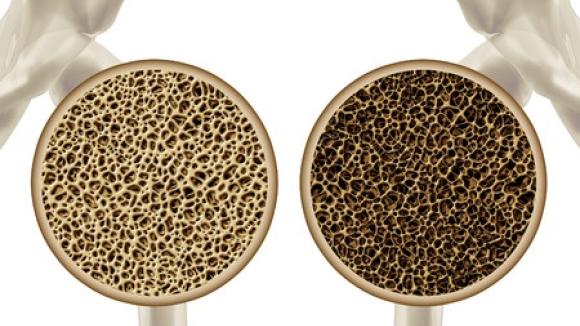
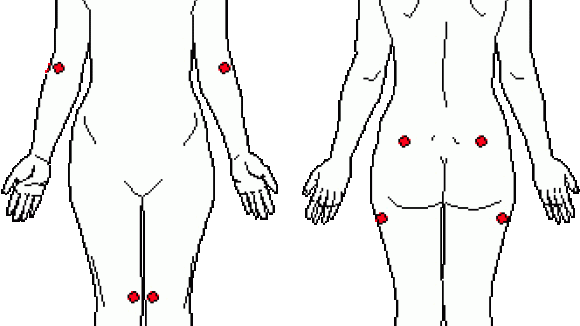
With the introduction of ASAS criteria for the diagnosis of axial and peripheral spondyloarthropathy, there has been a debate about whether patients with fibromyalgia (FM) could be mistaken for a spondyloarthropathy, or vice versa.

SAPHO is an acronym that describes a constellation of findings (synovitis, acne, pustulosis, hyperostosis, and osteitis) that defines this rare syndrome.

In the last 6 months, the FDA Arthritis Advisory Committee has recommended three biosimilars (CT-P13, GP-2015, ABP-501) for approval, with one achieving FDA approval Inflectra/CT-P13) and the other two pending a probable approval in the months to come.

Porter and colleagues have reported that both rituximab (RTX) and tumour necrosis factor inhibitors (TNFi) are equally and highly effective in early, active, biologic-naive rheumatoid arthritis patients.

The issue of lower intestinal tract perforation (LIP) is no novelty to rheumatologists since the RA treatment paradigm shifted from use of NSAIDs (the most common cause of upper GI tract perforations) to steroids and non-steroidal DMARDs.

Dr. Jack Cush reviews highlights from this week's rheumatology news on RheumNow.com.

The Food and Drug Administration’s Arthritis Advisory Committee (AAC) yesterday recommended that the Sandoz etanercept (Enbrel) biosimilar (GP-2015) be approved for use in the United States.

MedScape has reported that the US Food and Drug Administration (FDA) has approved lifitegrast ophthalmic solution (Xiidra, Shire) for the treatment of signs and symptoms of dry eye disease.

In Genome Medicine, Mayo Clinic researchers investigated a cohort of rheumatoid arthritis (RA) patients, their relatives and a healthy control group analyzing the gut microbiome vial16S ribosomal DNA analysis of fecal samples.

The Food and Drug Administration’s Arthritis Advisory Committee yesterday recommended that Amgen biosimilar (ABP 501) to Humira (adalimumab) be approved for use in the United States.

Cryotherapy is a non-FDA approved treatment that has been promoted to treat post-athletic injury, osteoarthritis,rheumatoid arthritis, fibromyalgia, alzheimers, migraines, asthma, multiple sclerosis, etc. Cryotherapy may be as simple as ice packs on a localized portion of the body, such as the lower back, or may involve whole body cryotherapy.

Female academic physicians at public medical schools had lower average salaries than their male counterparts, a disparity that was only partly accounted for by age, experience, medical specialty, faculty rank and other factors, according to an article published online by JAMA Internal Medicine.

The European League Against Rheumatism (EULAR) has published updated recommendations on the management of fibromyalgia in the Annals of the Rheumatic Diseases (Citation source http://buff.ly/29I7e8C).
PNAS has published a study wherein an inducible “inflammatory reflex” delivered by vagus nerve stimulation was shown to inhibit the production of tumor necrosis factor (TNF), an inflammatory molecule that is a major therapeutic target in an animal model of rheumatoid arthritis (RA).

Systemic lupus is a clinically heterogeneous disorder, unified by requisite clinical features and exuberant humoral response to unknown triggers. While the diagnosis is easy, the disease course and management can be complicated and challenging.

The PROMISSE (Predictors of Pregnancy Outcome: Biomarkers in Antiphospholipid Antibody Syndrome and Systemic Lupus Erythematosus) study has revealed several important lessons in lupus care.

Sclerostin, an inhibitor of the Wnt/β-catenin pathway, negatively regulates osteoblast differentiation and has anti-anabolic effects on bone formation. Thus, inhibition of sclerostin is currently being studied as therapy for postmenopausal osteoporosis.

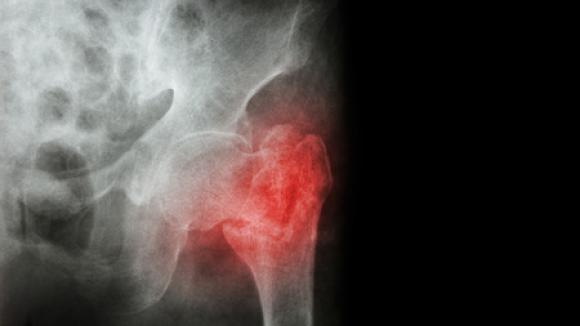
The NY Times reports that millions of Americans with osteoporosis are driven to stop or not take bisphosphonate therapies over the fear of exceedingly rare side effects - osteonecrosis of the jaw (ONJ) and atypical femoral fractures (AFF).
By downloading this material, I acknowledge that it may be used only for personal use and personal education and that I will accredit RheumNow.com as the source and owner of this material. Commercial use or mass reproduction of this material without permission from RheumNow (info@rheumnow.com) is prohibited.