Article
Dr. Jack Cush reviews the news and journal articles from this past week on RheumNow.com. New regulatory decisions about JAK inhibitors and why do women with rheumatic diseases have unfair outcomes?

Search for Terms or Answers
Dr. Jack Cush reviews the news and journal articles from this past week on RheumNow.com. New regulatory decisions about JAK inhibitors and why do women with rheumatic diseases have unfair outcomes?

The CDC has updated its Guideline for Prescribing Opioids for Chronic Pain and includes recommendations for managing acute (duration of <1 month), subacute (duration of 1–3 months), and chronic (duration of >3 months) pain.

Remission often invites consideration of drug withdrawal in patients with axial spondyloarthritis (axSpA).

Alcohol consumption is a leading preventable cause of death in the U.S. A JAMA cross-sectional study suggests that between 2015 and 2019, an estimated 1 in 8 total deaths among U.S. adults ages 20 to 64 were attributable to excessive alcohol use, including 1 in 5 deaths among adults ages 20 to 49.

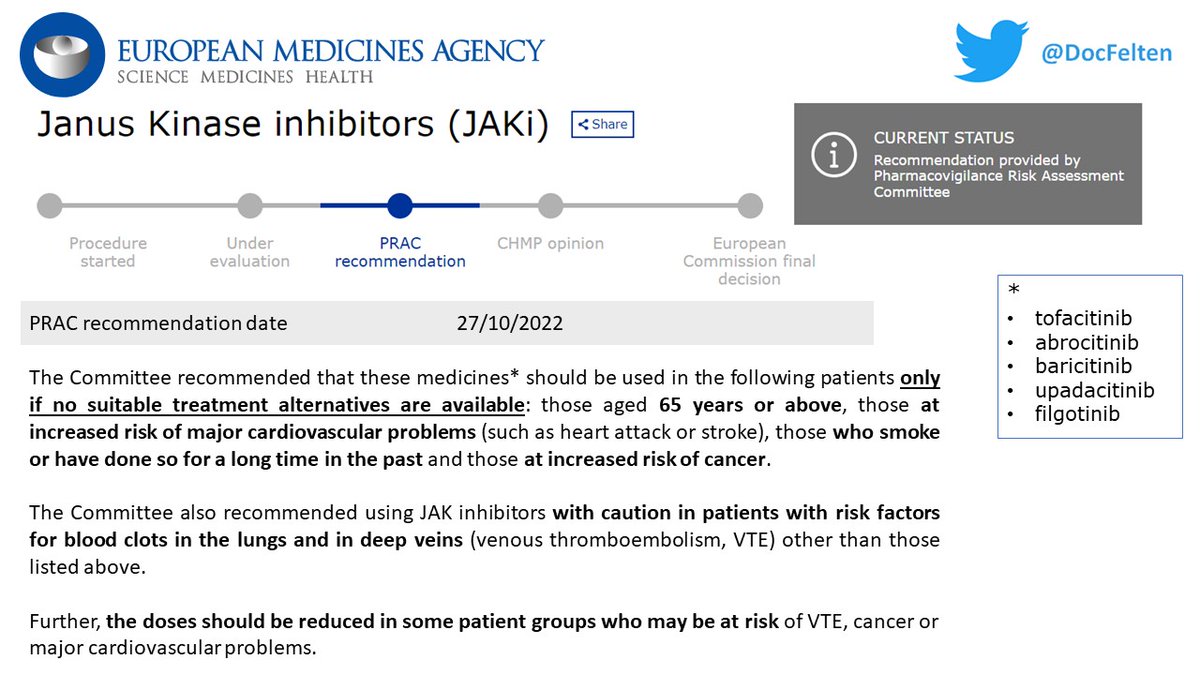
The European Medicines Agency’s (EMA's) safety committee (PRAC) has issued a recommendation that the use of oral JAK inhibitors (tofacitinib, baricitinib, upadacitinib and filgotinib) be limited to certain at-risk patients unless no other suitable treatment alternatives are available.

Dr. Jack Cush discusses the news and journal reports from the past week on RheumNow. This week more lupus nephritis, more drug induced lupus and more lupus infections that may kill.
Analysis of a national database of hospital discharges from Spain shows that infections accounted for 25% of lupus deaths, making infection the most common cause of death in SLE.

EULAR and the Assessment of SpondyloArthritis International Society (ASAS) has updated their guidance on axial spondyloarthritis (axSpA) management.

On Friday October 21st the U.S. Food and Drug Administration approved upadacitinib (Rinvoq) for the treatment of active non-radiographic axial spondyloarthritis in patients with objective signs of inflammation who have had an inadequate response or intolerance to tumor necrosis factor blocker therapy.








By downloading this material, I acknowledge that it may be used only for personal use and personal education and that I will accredit RheumNow.com as the source and owner of this material. Commercial use or mass reproduction of this material without permission from RheumNow (info@rheumnow.com) is prohibited.