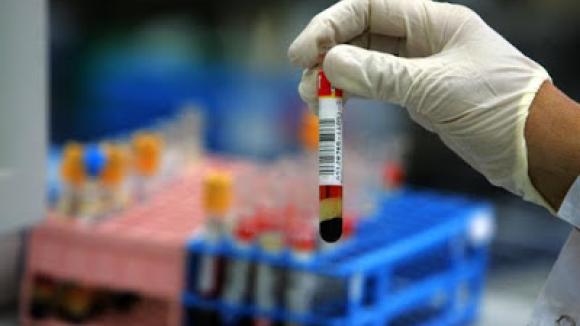
In an Annals of Rheumatic Disease report, Italian investigators performed consecutive testing for SARS-CoV-2 (IgM and IgG) between 25 March to 25 May 2020 and compared test results between rheumatic disease (RMD) patients and the general population.
All News
Patients with rheumatoid arthritis (RA) who were obese were significantly less likely to remain on treatment with tumor necrosis factor (TNF) inhibitors -- but so were those who were underweight, a large, long-term study determined.
Compared with patients with normal weight, patients in obesity class II, whose body mass index (BMI) was 35 to 39.9, had a hazard ratio for shorter drug survival (i.e., the drug's effectiveness, safety, and tolerability) of 1.28 (95% CI 1.06-1.54), while those in obesity class III, whose BMI exceeded 40, had a hazard ratio of 1.67 (95% CI 1.29-2.18), according to Sytske Anne Bergstra, PhD, of Leiden University Medical Center in the Netherlands, and colleagues.

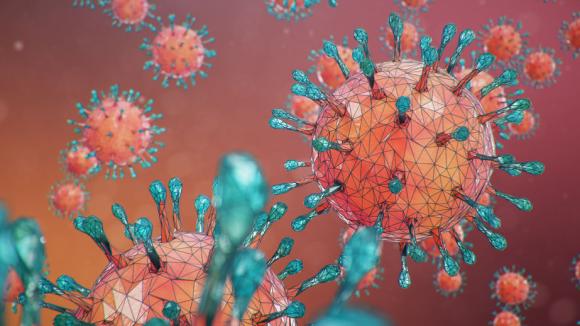
A recent study from the Netherlands has shown that patients with severe COVID-19-associated cytokine storm syndrome (CSS) with high dose steroids and tocilizumab had a faster recovery, less need for invasive mechanical ventilation and fewer deaths when compared to CSS patients receiving supportive care only.
They studed COVID-19 patients with CSS, defined as rapid respiratory deterioration plus at least two of the following biomarkers: a) C-reactive protein >100mg/L; b) ferritin >900 µg/L; or c) D-dimer >1500 µg/L.
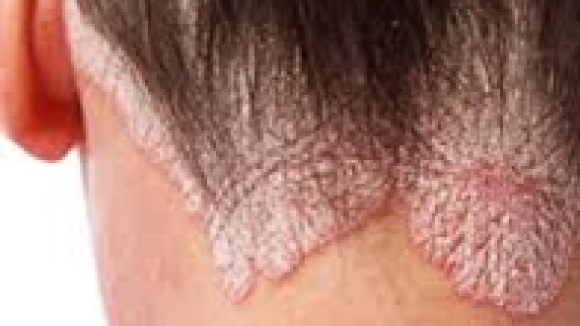
The IMMerge trial has demonstrated the superiority of interleukin (IL)‐23 over IL-17A inhibition adults with plaque psoriasis.
Dr. Jack Cush reviews the news, tweets and journal articles from the past week on RheumNow. Let's dig into this week's 14 highlights.
Since the onset of the COVID-19 pandemic numerous anti-rheumatic therapies have been proposed as being potentially beneficial. The mechanistic effects of these agents, either presumed antiviral, anti-inflammatory and anti-thrombotic effects, may benefit mitigate the damage seen with COVID-19 infection.
This review will examine the potential benefits and existing evidence for treating suspected or proven COVID-19 infection with antimalarials, inhibitors of interleukin-6 (IL-6) or interleukin-1 (IL-1) Janus kinase (JAK) inhibitors, TNF inhibitors or colchicine. There are many other antirheumatic and immunosuppressive therapies that are in clinical trials that will not be reviewed here including IVIG, rituximab, calcineurin inhibitors (sirolimus, etc.), apremilast, emapalumab (anti-IFN gamma), etc.
The oral Janus kinase (JAK) inhibitor upadacitinib (Rinvoq) given as monotherapy was more effective than methotrexate alone in methotrexate-naive patients with active rheumatoid arthritis (RA) in a multinational phase III trial.
A one year head-to-head (H2H) trial has shown ixekizumab (IXE) to be superior to adalimumab (ADA) in psoriatic arthritis (PsA); for both skin and articular outcomes.
The SPIRIT H2H study was a 52-week trial of 566 biologic DMARD naive, PsA patients, randomized to received either IXE or ADA. The primary end point was at Wk 24, but the newly published data shows week 52 results for ACR50 and Psoriasis Area and Severity Index 100 responses.
Colchicine has been advocated as a potential anti-inflammatory intervention in patients with the coronavirus 2 infection and clinical trials have been developed to assess its effect in early COVID-2 infection. JAMA has published a randomized clinical trial showing that low dose colchicine had less clinical deterioration without significant changes in biomarkers, such as high-sensitivity cardiac troponin and C-reactive protein.
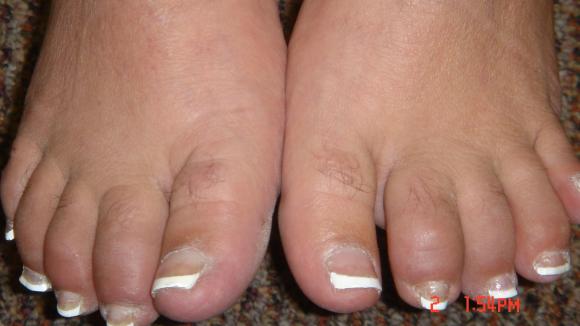
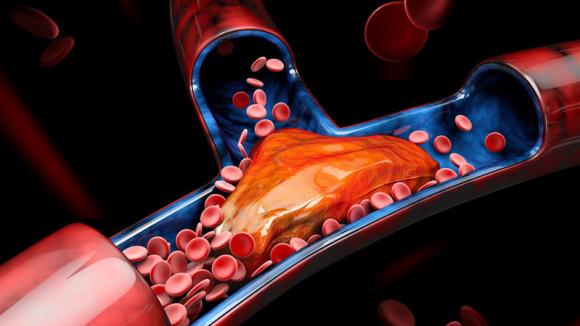
Severe and fatal outcomes with coronavirus infection are often the result of the downstream damage that follows the viral infection. Rising high on the list of complications are the hematologic and vascular complications seen in severely affected patients, so much so that many centers are routinely anticoagulating hospitalized (but not ambulatory) COVID patients.
Dr Jack Cush reviews the journal reports and news from RheumNow this past week. Highlights include:
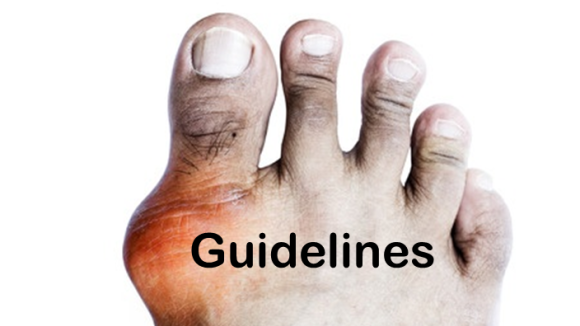
In May, the American College of Rheumatology (ACR) released the"2020 Guideline for the Management of Gout"reflecting new clinical evidence since the last guideline published in 2012.
FDA has approved a 6th adalimumab biosimilar - called Hulio (adalimumab-fkjp) with indications of rheumatoid arthritis, juvenile idiopathic arthritis, psoriatic arthritis, ankylosing spondylitis, adult Crohn’s disease, ulcerative colitis, psoriasis. https://t.co/zMNsDjVewU