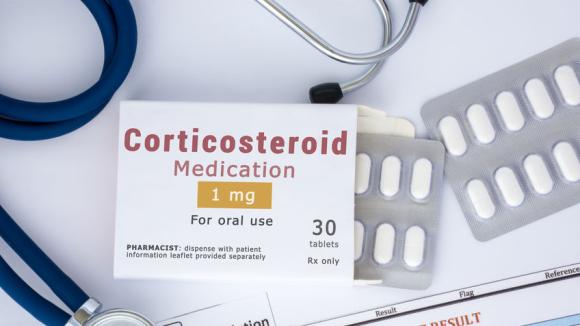
A recent analysis shows thta glucocorticoids (GCs), usually recommended for short-term use in rheumatoid arthritis (RA), are variably used by rheumatologists, and that provider preference is a strong predictors of long-term glucocorticoid use.
All News
Dr. Jack Cush reviews the FDA approvals, news and the latest journal articles from the past week on RheumNow.com.
EULAR has updated its recommendations (points to consider - PtC) for rheumatologists managing patients during COVID-19; now with 2 overarching principles and 12 PtC.
Both systemic onset juvenile idiopathic arthritis (sJIA) and adult-onset Still’s disease are acquired autoinflammatory disorders of uncertain etiology. Yet recent reports of AOSD onset and flare following COVID-19 vaccinations may have important mechanistic implications.
Bernatsky and colleagues have shown cancer risk factors in incident systemic lupus erythematosus (SLE).
Researchers analyzed an SLE cohort of 1,668 patients, over an average of 9 years follow-up and found 65 cancers: 15 breast; 10 nonmelanoma skin; 7 lung; 6 hematologic; 6 prostate; 5 melanoma; 3 cervical; 3 renal; 2 each gastric, head and neck, and thyroid; and, 1 each rectal, sarcoma, thymoma, and uterine cancers.
A randomized controlled trial has shown that treatment of plaque psoriasis via costimulatory blockade ( CD28/B7) with abatacept did not prevent psoriasis relapse after withdrawal of ustekinumab.
Patients with psoriatic arthritis (PsA) or axial spondyloarthritis (axSpA) who were doing well on treatment with tumor necrosis factor (TNF) inhibitors were able to successfully taper the therapy when guided by disease activity, a retrospective cohort study found.
Hepatitis B reactivation is an uncommon complication of biologic therapy use. Now, a serologic study of rheumatoid arthritis patients shows that HBV reactivation is seen with rituximab, and less so with abatacept, especially in patients without hepatitis B antibody (HBsAb) positiv
A prospective, phase 3 trial of rheumatoid arthritis (RA) patients in sustained remission has shown more than half will flare if disease-modifying antirheumatic drugs (DMARD) therapy is tapered or discontinued and that remission is best maintained by continued DMARD therapy.
October 8, 2021 the U.S.