Patients with psoriatic arthritis (PsA) whose disease manifestations include enthesitis showed significantly greater responses to interleukin (IL)-23 inhibition than to blocking tumor necrosis factor (TNF), suggesting the possibility that treatment decisions in the future might be guided by speci

All News
Novartis announced today that the US Food and Drug Administration (FDA) approved the inclusion of new evidence that Cosentyx® (secukinumab) significantly slows the progression of joint structural damage at Week 24 versus placebo in those with active psoriatic arthritis (PsA).
"Can stresss be the cause of my autoimmune disease?" is an often launched question met with shrugs of uncertainty or strongly held beliefs rooted in bias moreso than fact.
Swedish investigators have analyzed a large registry cohort and shown that exposure to stress-related disorders yields a significantly increased risk of autoimmune disease. They analyzed 106,464 patients with stress-related disorders, with 126,652 full siblings, and over a million non-stressed matched controls to assess a future risk of autoimmune disease.
As we gather more knowledge about psoriatic arthritis ( PsA) and psoriasis (PSO) over time, and achieve better outcomes with new therapies, more questions arise about quality of life, survival and comorbidities in PsA and PSO.
Highlights from Day 2 of the EULAR meeting in Amsterdam include high MBDA scores in ACPA negative RA predicts remission; characterization of difficult RA; and gender differences in psoriatic responses to TNF inhibitors.
Not a surprise to anyone anymore, increased risk of cardiovascular disease poses a danger of significant morbidity and mortality in patients underlying inflammatory arthritides.
A population-based study of claims data from Korea shows that among inflammatory bowel disease (IBD) patients receiving tumour necrosis factor inhibitors (TNFi) there is a 3.7 per 100 patient-year risk of paradoxically developing psoriasis - a rate that is roughly 3-fold higher than risk in TNFi-naive IBD patients.
Dr. Jack Cush discusses the past week's news and journal articles featured on RheumNow.com - including reports on advance practice clinicians, baricitinib, gout, disease activity, hypomagnesemia and upadacitinib.
Dr. Jack Cush reviews this weeks reports from RheumNow.com, including the risk of autoimmunity with vaccination, early RA outcomes, new FDA approvals for certolizumab and tofacitinib and the risk of death from infection with biologics.
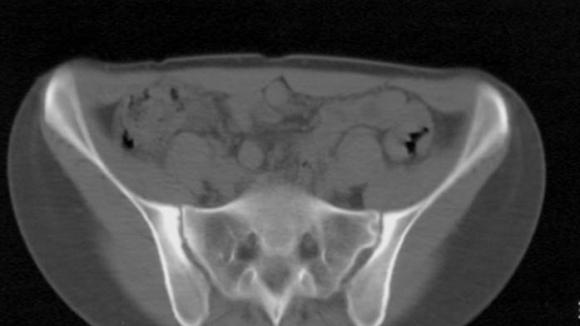
de Winter and colleagues from the Netherlands have reported on magnetic resonance imaging of the sacroiliac joints of healthy subjects, patients with axial spondyloarthritis, runners and those with chronic back pain, and found a high incidence of sacroiliitis in many, but that deep bone marrow edema was most specific for those with axial SpA.
Treatment of refractory giant cell arteritis (GCA) with ustekinumab (Stelara) showed therapeutic promise as a steroid-sparing agent in a small, open-label study, Irish researchers reported.
A meta-analysis has suggested that obesity is an under-reported predictor of inferior response to tumor necrosis factor blockade (anti-TNF) in a range of inflammatory immune-mediated inflammatory diseases (IMIDs), with the results showing a 60% risk of impaired response to anti-TNF across several
Patients with psoriatic arthritis (PsA) were at increased risks for malignancy, and possibly more so if they were treated with conventional disease-modifying antirheumatic drugs (DMARDs), a meta-analysis found.
In nine cohort studies that included more than 43,000 PsA patients, the pooled relative risk for overall malignancy was 1.29 (95% CI 1.04-1.60) compared with the general population, according to Yunyun Fei, MD, and colleagues from Peking Union Medical College in Beijing.
Dr. Jack Cush reviews the news and journal articles from the past week on RheumNow.com. He discusses opioids, new approval for polyarticular JIA, running and osteoarthritis, and modifiable behaviors that influence outcomes.
Lee and colleagues from Brigham and Women's Hospital have analyzed the last decade of disease‐modifying antirheumatic drugs (DMARDs) use in patients with psoriatic arthritis (PsA) and found nearly 40% were treated with a bDMARD, along with a decreasing trend in complete DMARD discontinuations.
A study from the Netherlands has shown that the long-term drug survival of TNF inhibitors differ between men and women, with women having a lower long-term retention rate compared to men. A single-center, retrospective study of 122 anklylosing spondylitis (AS) patients, analyzed the outcomes of those receiving either etanercept, adalimumab, or infliximab between 2004 and 2014.
Nearly 40% were women and most AS patients received adalimumab (59.7%), compared to etanercept (28.9%) or infliximab (11.3%).
Dr. Jack Cush discusses the news and journal articles from the past week on RheumNow.com.
Analysis of data from the DANBIO registry of psoriatic arthritis patients treated with tumor necrosis factor inhibitor therapy shows that comorbidities were associated with higher baseline disease activity, shorter TNFi persistence, and reduced clinical response rates to TNFi.
Arthritis & Rheumatology has published the results of the 2015 Workforce Study of Rheumatology Specialists, and estimates a current shortage (demand > supply) of 700 (12.9%) full-time rheumatologists and that this deficit will worsen (102%) to 4133 FTE by 2030.