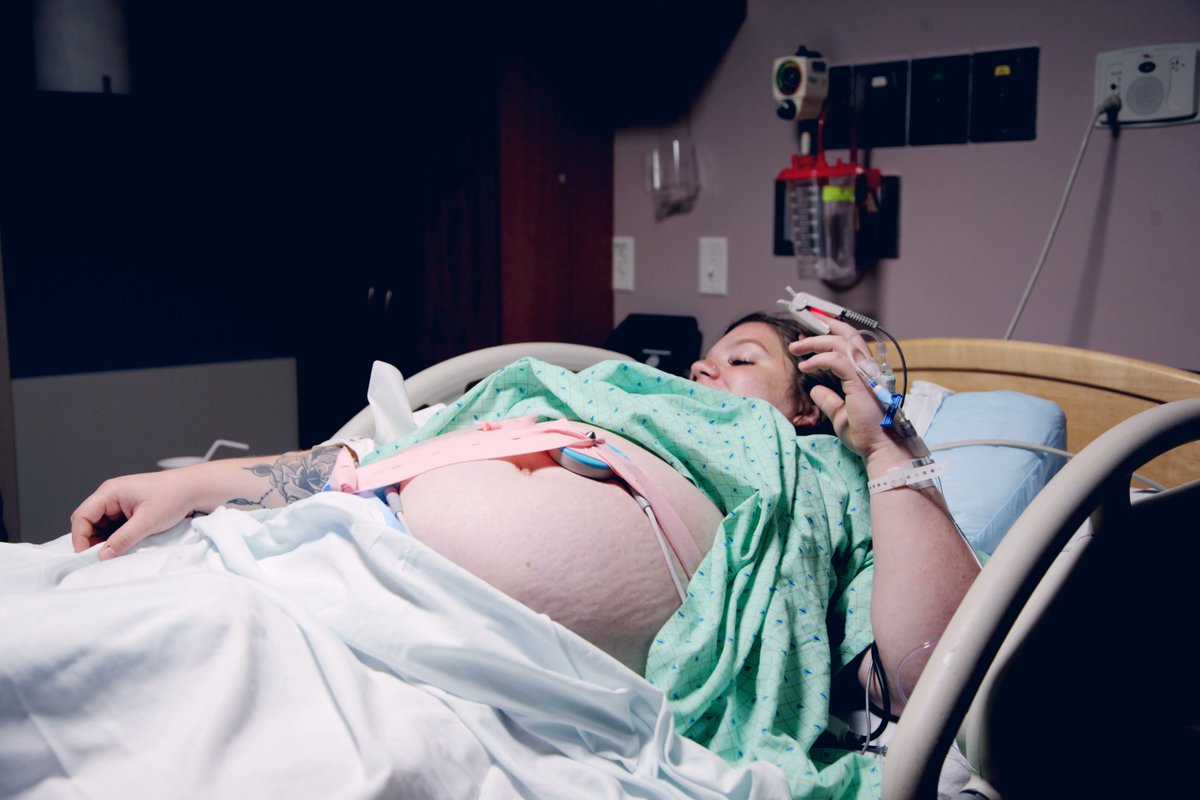
Pregnant women with systemic lupus erythematosus (SLE) were more prone to cardiovascular complications during delivery, and their risk seems to have increased over the past 15 years, according to national administrative data.

All News
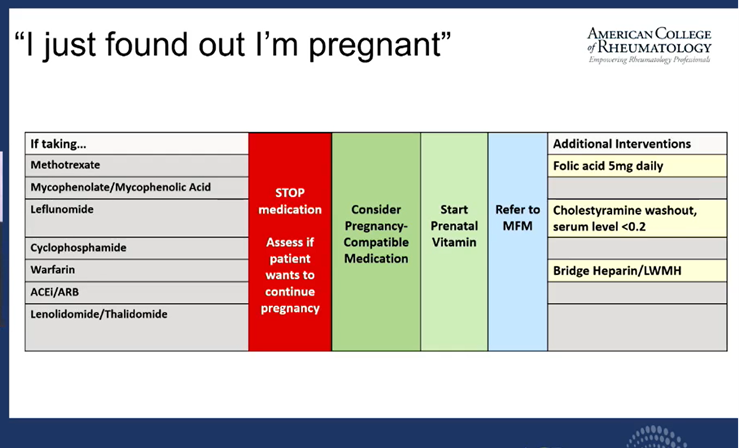
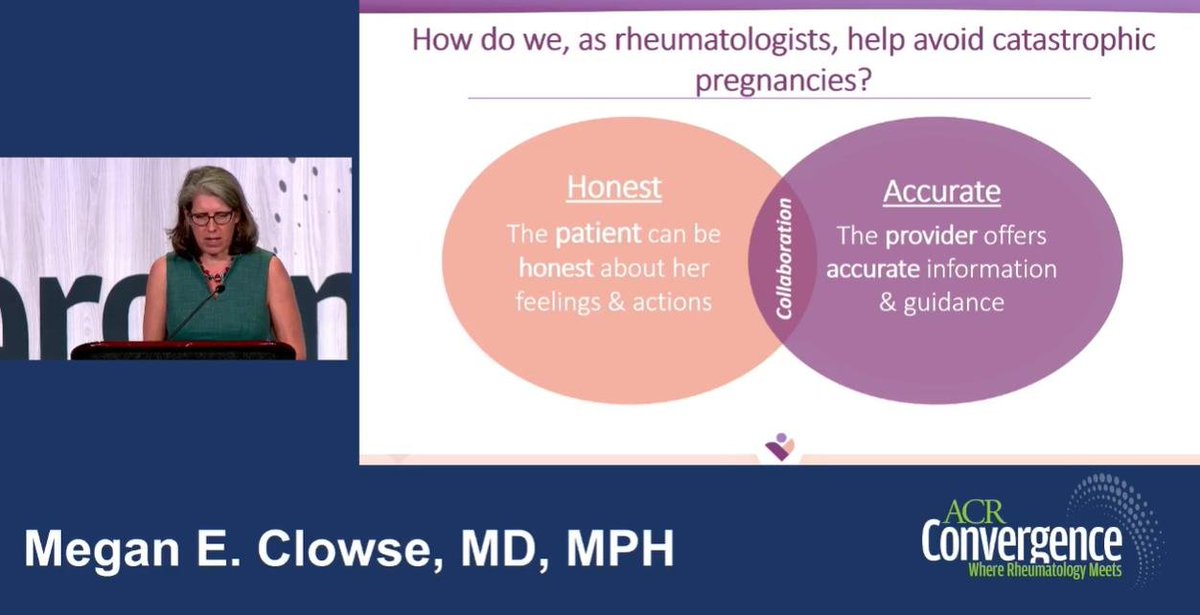
Discussions regarding family planning, contraception, and pregnancy should be approached at each clinic visit to ensure providers understand patients’ personal goals. These conversations have the potential to decrease the risk of unplanned pregnancies. However, rheumatologists may need to manage unplanned pregnancies and the impacts of accidental teratogenic exposure.
Significant disparities exist in pregnancy outcomes in women with systemic lupus erythematosus (SLE), with previous cohorts identifying Black women as having a higher risk of maternal mortality compared to White women with SLE.
Is patient-administered cervical cancer screening an option for women with SLE? Should I prescribe estrogen containing contraceptives to SLE women with APL antibodies? What complications should I be aware of in pregnant women with SLE? Here are three abstracts that provide insight.
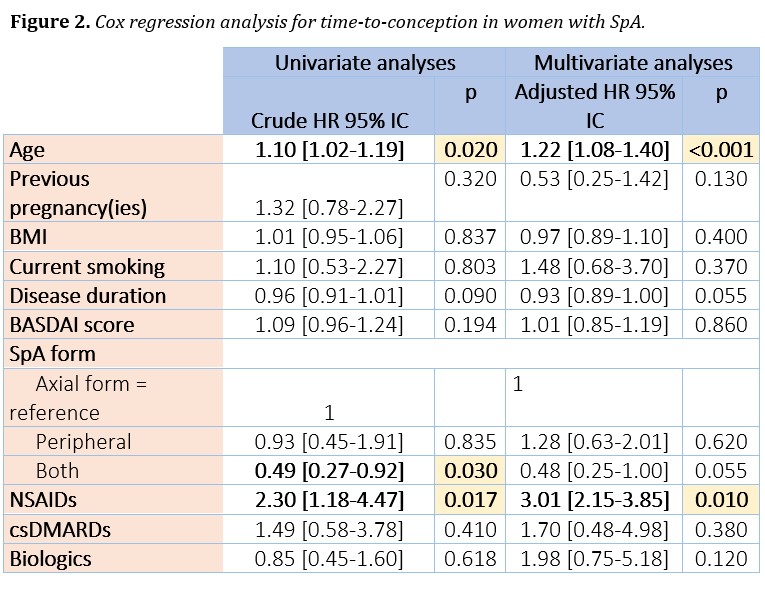
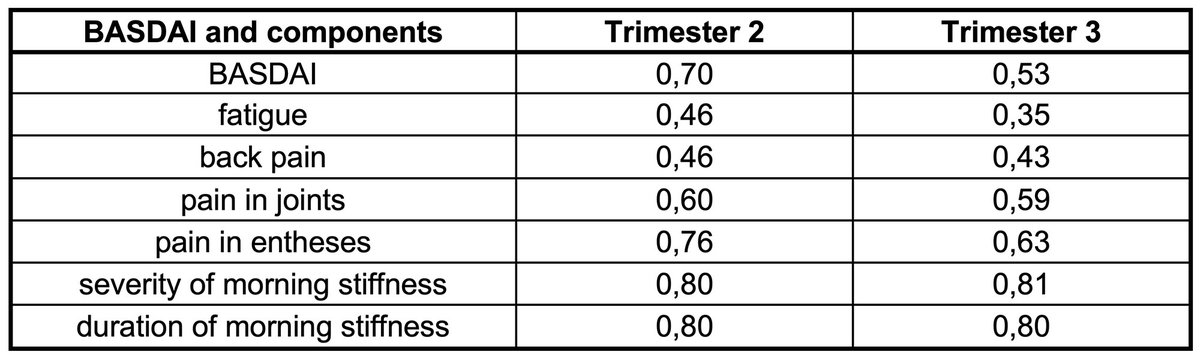
When it comes to Spondyloarthritis we have numerous disease activity measures and much debate regarding best practices. When it comes to determining which to use in clinic, discrepancies occur. Do our activity measures truly represent disease? Are there some measures best suited to different populations? Does BASDAI work for women?
Dr. Jack Cush reviews the news and journal reports from the past week on RheumNow.com. Highlighted discussion of implantable stimulators, urine proteomics and gut-immune responses to Prevotella in RA.
Pregnancy in systemic lupus erythematosus (SLE) is fraught with problems of adverse pregnancy outcomes, more pregnancy loss and birth defects. Now a study of SLE pregnancies exposed to belimumab (BEL) shows and expected rate of pregnancy loss but a variable rate of birth defects.
A prospective cohort study of treatment and pregnancy outcomes in women with RA shows that TNF inhibitor use during pregnancy did not increase the risk of adverse pregnancy outcomes, but instead led to more positive outcomes such as fewer low-birth-weight deliveries.