
Article
Among the ethnically diverse residents of Manhattan, certain groups had markedly different incidence rates of primary Sjogren's syndrome, a retrospective study found.

Search for Terms or Answers
Among the ethnically diverse residents of Manhattan, certain groups had markedly different incidence rates of primary Sjogren's syndrome, a retrospective study found.

Interleukin-1 (IL-1) suppression helped reverse symptoms of dilated cardiomyopathy (DCM) for one patient in a case study that may implicate inflammation in the development of the condition.

JAMA Internal Medicine reports that exposure to statin medications may be linked to histologically confirmed idiopathic inflammatory myositis.

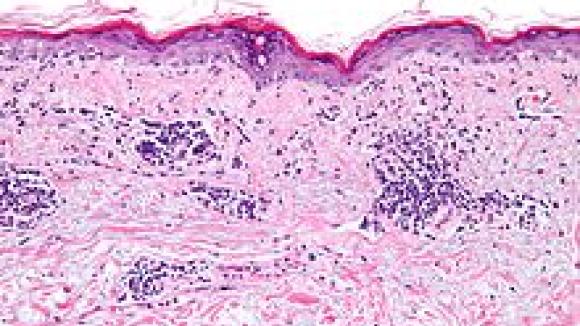
Kahlenberg and coworkers have reported in ARD that interferon kappa (IFN-κ) is a key regulator of type I interferon (IFN) photosensitive responses in patients with cutaneous lupus erythematosus (CLE).
Dr. Jack Cush reviews the news and journal reports from the past week on RheumNow.com.

The Annals of Rheumatic Disease have published the recently developed Latin American clinical practice guidelines for systemic lupus erythematosus (SLE) addressing the best pharmacologic interventions for musculoskeletal, mucocutaneous, kidney, cardiac, pulmonary, neuropsychiatric, hemat

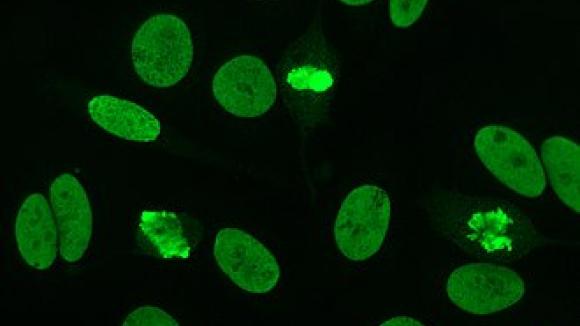
Positive tests results for antinuclear antibodies (ANAs) are frequently referred to rheumatology despite their poor predictive value, even in individuals who are ‘At Risk’ for autoimmune connective tissue diseases (AI-CTDs).
Dan Wallace and colleagues report in Lancet the results of a phase II study of the selective baricitinib, an oral selective Janus kinase (JAK1 and JAK2) inhibitor, in patients with systemic lupus erythematosus, demonstrating the efficacy and safety of JAK1/2 inhibition with baricitinib as a new potential oral therapy for SLE.

Dr. Jack Cush reviews highlights from the news and social media on RheumNow.com in the past week.

Dr. Jack Cush reviews the news and journal articles from the past week on RheumNow.com. Fateful outcomes in Rheumatology, what happens to Seronegatives, IL-23 fails, MRI progression, Not all inflammatory back pain becomes SpA:
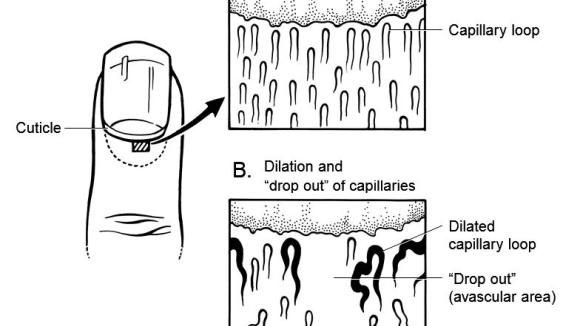
In patients with juvenile dermatomyositis (DM), an association was seen between low nailfold capillary density and pulmonary involvement, European researchers reported.
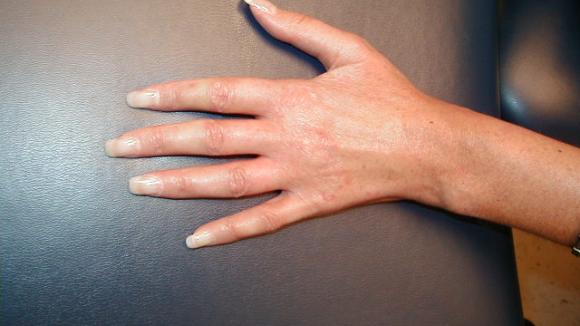
Systemic sclerosis is more common in the United Kingdom than previously reported, a nationwide population-based study determined.
Hydroxychloroquine retinopathy prevention guidelines have revised from ideal body weight-based dosing to actual body weight-based dosing; the question remains whether these have been adopted in clinical practice.
A database of nearly 21,000 new HCQ users from a UK general population database studied HCQ dosing and use between 2007 and 2016. Specifically they examined whether users were subjected to excess HCQ dosing per ophthalmology guidelines (defined by exceeding 6.5 mg/kg of IBW and 5.0 mg/kg of ABW).

The Annals of Internal Medicine reports that despite improving trends in mortality, death rates from systematic lupus erythematosus (lupus) remain high compared to those in the general population, and disparities persist between subpopulations and geographic regions. Underreporting of lupus on death certificates may have resulted in underestimates of mortality rates.

Pisetsky and colleagues have reported in the Annals of Rheumatic Disease that ANA tests done on established SLE patients may yield surprisingly disparate results.
While ANA negative lupus was a problem of old assays and the loss of ANA positivity may be seen with chronicity or age, most rheumatologists believe that ANA positivity is an absolute requirement for the diagnosis of systemic lupus erythematosus.

Dr. Jack Cush reviews selected news and journal reports from the past week on RheumNow.com.
Dr. Richard Furie, MD, of Northwell Health in New York, presented the findings ofa large phase III trial of abatacept (Orencia) in lupus nephritis showing the agent failed to achieve a complete renal response.
"Can stresss be the cause of my autoimmune disease?" is an often launched question met with shrugs of uncertainty or strongly held beliefs rooted in bias moreso than fact.
Swedish investigators have analyzed a large registry cohort and shown that exposure to stress-related disorders yields a significantly increased risk of autoimmune disease. They analyzed 106,464 patients with stress-related disorders, with 126,652 full siblings, and over a million non-stressed matched controls to assess a future risk of autoimmune disease.

Highlights from the first day at EULAR include: canakinumab prevents acute gout; AS uveitis benefits from most TNFi; MRI does not improve T2Tor X-ray outcomes; baracitinib wins in SLE - maybe?; new lupus criteria; and lost survival in RA. Here's the RheumNow recap.

Recent shifts in the cancer treatment paradigm towards immune therapies has led to wide implementation of the novel immune check point inhibitors (ICI) in the treatment of multiple types of advanced cancer.

By downloading this material, I acknowledge that it may be used only for personal use and personal education and that I will accredit RheumNow.com as the source and owner of this material. Commercial use or mass reproduction of this material without permission from RheumNow (info@rheumnow.com) is prohibited.

