
Article
Interchangeability is a major issue that will determine the success of biosimilars.

Search for Terms or Answers
Interchangeability is a major issue that will determine the success of biosimilars.

Doshi and colleagues have conducted a retrospective claims analysis (2009 through 2012) of psoriasis patients on Medicare to examine the use and adherence to those initiating treatment with either infliximab, etanercept, adalimumab, or ustekinumab.
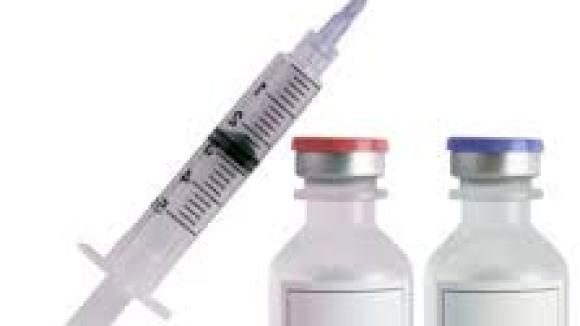
Numerous guidelines (ACR, ACIP/CDC, ATS, NICE) all call for timely vaccinations in patients with rheumatoid arthritis (RA) and those receiving immunosuppressives or biologics.

Danish researchers studied a cohort of 59,423 mild psoriasis and 11,566 severe psoriasis patients over a 14 year period, and found 240 and 50 cases of abdominal aortic aneurysms (AAA), repectively. (Citation source http://buff.ly/1YxGpDA)
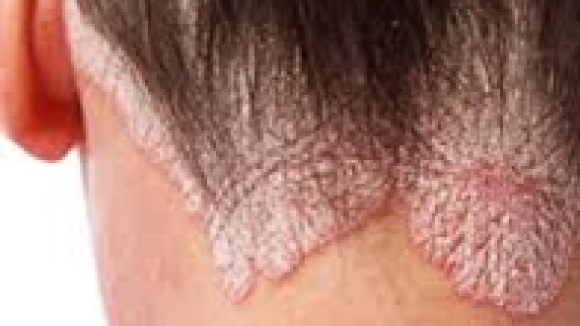
In a retrospective cohort comparison study, 42,180 rheumatoid arthritis (RA) patients were compared 1:4 with 168,000 normal controls to examine the incidence of new tuberculosis in Taiwan. The RA population included those receiving csDMARDs (36,162), etanercept (3,577), adalimumab (1,67

Dr. Jack Cush reviews the rheumatology highlights from the news, media, and journals from this past week:
Pfizer has issued a press release of its preliminary results from the OPAL study that examined the efficacy and safety of tofacitinib 5 mg and 10 mg twice daily (BID) in adults active psoriatic arthritis (PsA).

There have been several reports of psoriasis being linked to chronic renal disease in the literature. Another population-based study has also found a link between severe psoriasis and kidney disease.
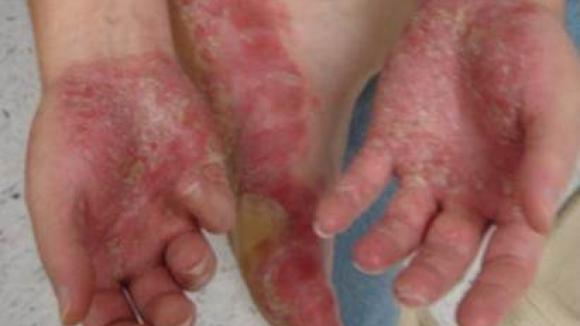
Researchers at the University of Toronto have prospectively studied a cohort of 464 psoriasis patients without a diagnosis of arthritis and followed them over 8 years to estimate the incidence and frequency of psoriatic arthritis (PsA).
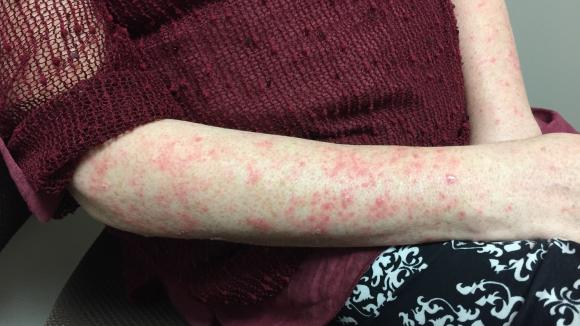
A recent report from the United States Bone and Joint Initiative (USBJI) estimates that 126.6 million Americans (one in two adults) are affected by a musculoskeletal (MSK) condition; a number on par with the number of Americans living with a chronic lung or heart conditions.

Tuesday the FDA approved the IL-17 inhibitor, Taltz (ixekizumab) for adults with moderate to severe plaque psoriasis. (Citation source http://buff.ly/1py10wd)
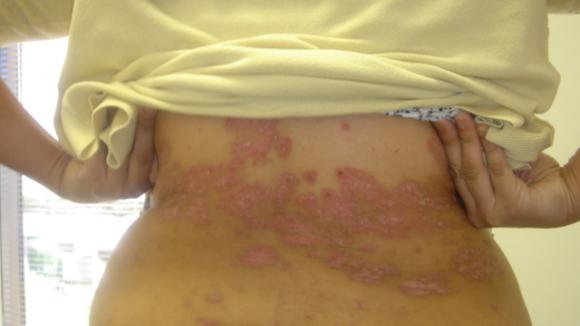
The use of tumour necrosis factor α inhibitors (TNFis) at the time of major surgery has been a challenge for surgeons, rheumatologists and those wishing to develop evidence-based guidelines for this clinical scenario.
A small cohort study has evaluated the utility of the minimal disease activity (MDA) criteria that has been advocated for use in psoriatic arthritis (PsA) studies and clinical trials.
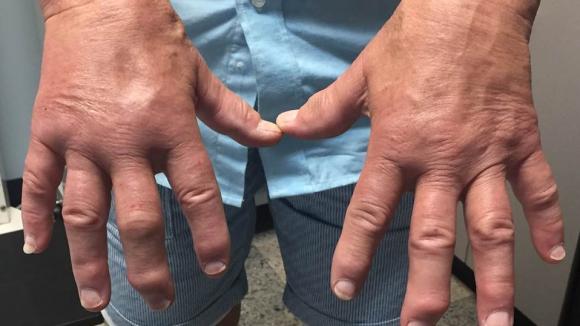
The use of opioids has become increasingly problematic in the last few years. First, the rising rates of use and abuse, followed by greater restrictions and regulations that have curtailed use, and, finally, a resultant increase in illicit drug use (heroin) and opioid overdoses.
Highlights from this week at RheumNow.com:
Healio reports that patients followed in a combined Dermatology and Rheumatology clinic in Canada revealed high patient satisfaction.

As the number of biosimilars in development keeps on growing, reaching nearly 700 products to date, demand for data from randomized controlled trials (RCTs) and an understanding of these new biologics is peaking the interest of many.

The frequency of not returning (lost to follow-up) (LTFU) in patients with rheumatic diseases is high. Associated demographic factors included older age in RA, female gender in SLE and Ps/PsA, and younger age in Ps/PsA, with various reasons for being LTFU.

The UNCOVER-2 and UNCOVER-3 trials were presented at the American Academy of Dermatology (AAD) Annual Meeting taking this week in Washington, D.C.
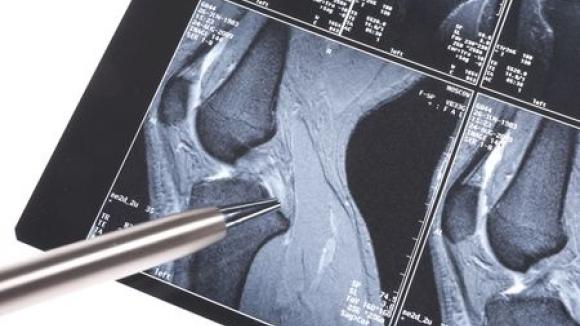
It is estimated that nearly 30% of psoriasis patients will develop psoriatic arthritis (PsA). This prevalence was studied by performing MRI scans on asymptomatic psoriasis (n=56) and 30 control patients without arthritis.
By downloading this material, I acknowledge that it may be used only for personal use and personal education and that I will accredit RheumNow.com as the source and owner of this material. Commercial use or mass reproduction of this material without permission from RheumNow (info@rheumnow.com) is prohibited.