
Article
The monoclonal antibody bimekizumab, which neutralizes both interleukin (IL)-17A and 17F, was effective for both musculoskeletal and skin outcomes in psoriatic arthritis (PsA) in a phase IIb study.

Search for Terms or Answers
The monoclonal antibody bimekizumab, which neutralizes both interleukin (IL)-17A and 17F, was effective for both musculoskeletal and skin outcomes in psoriatic arthritis (PsA) in a phase IIb study.
ACR 2018 has come and gone. It was a conference filled with a number of highlights. One thing from this conference which really stood out was the continued plethora of data on JAK inhibitors. First in RA, and now in psoriatic arthritis and psoriasis.
Here are a few important advances in our understanding of interstitial lung disease (ILD) from the ACR 2018 meeting last week.

The Annals of Internal Medicine features a communique from the Karolinska Institutet in Sweden demonstrating that elevated levels of antiphospholipid antibodies may be found in patients with myocardial infarction without any autoimmune co-morbidity, published in Annals of Internal M

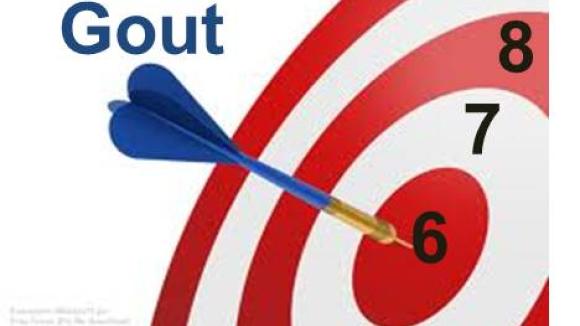
More intense treatment of gout with a treat-to-target strategy can reduce patients' risk for death, a Spanish researcher told a press conference Monday at the American College of Rheumatology annual meeting here.
This past week in Chicago gave us a plethora of new and eye-opening research, people, KOLs, exhibits, sessions, guidelines, posters and a never-ending supply of coffee served in small paper cups. ACR 2018 highlights for me included:
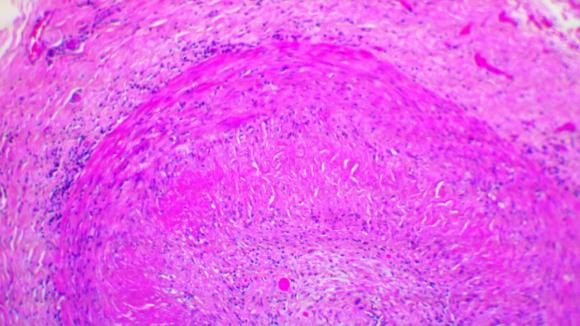
A very small study presented at ACR18 looking at tocilizumab monotherapy in patients with a new diagnosis of giant cell arteritis has nevertheless given hope to the tantalising idea that some GCA patients might achieve drug-free remission without steroids, although broader data are requ
A number of abstracts at this year’s ACR in Chicago highlighted issues around pregnancy and contraception advice in routine clinical practice.

Audio Highlights and Interviews from Day 3 at the ACR 2018 meeting LISTEN HERE
Highlights from Tuesday, day 3 of the ACR Annual meeting in Chicago, included:
The PEXIVAS Study – 2x2 Trial of Plasma Exchange and Reduced Steroids in ANCA-Associated Vasculitis (AAV) - Abstract #2788

There have been a number of interesting posters and presentations covering the field of axial spondyloarthropathy. I’ve picked out a few points that I found particularly relevant.
Classification Criteria
Physicians as a group are trained to have excellent clinical skills, but the difference between an average and extremely successful physician often comes down to factors outside of their ability to provide clinical care.

Four years ago, the genesis of this session (technology tools for rheumatologists) was from the frustration of the archaic technologies we have been using in our medical practices (including user hostile EHRs), compared to the rapid advancing pace of the consumer technologies we use at home. So came the struggle to adapt affordable and usable consumer technology products in the office that would save time (or at least be time neutral) and impact patient management.

Dr. Joseph Smolen delivered one of the most elegant and informative talk on rheumatoid arthritis at this ACR’s meeting as a tribute to Dr. Paul Klemperer. Dr. Smolen led us on a journey, and had us feeling content with what we are doing in practice as we walked with him from historical discoveries of RA through new drug development. Then Dr. Smolen did the unthinkable: he made us crash!

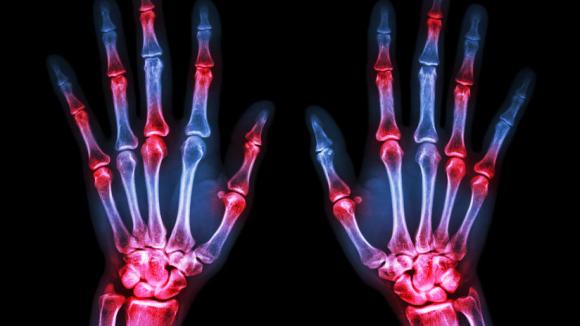
In the last few years, new studies have been published examining if early intervention and tight control (TC) of psoriatic arthritis (PsA) disease activity will have the same beneficial outcomes as it does for rheumatoid arthritis (RA).
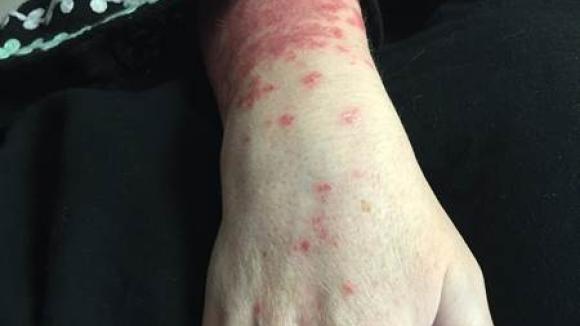
UK researchers have shown that nurse-led gout management, using a treat-to-target urate-lowering strategy, is efficacious and cost-effective compared with usual physicain care. The results are published in the recent Lancet edition.

Dr. Jack Cush summarizes the news and reports from RheumNow.Com this past week and previews RheumNow activities at the upcoming ACR 2018 meeting in Chicago.

Researchers from New Zealand find that in contrast with genetic contributions, diet explains very little variation in serum urate levels in the general population.
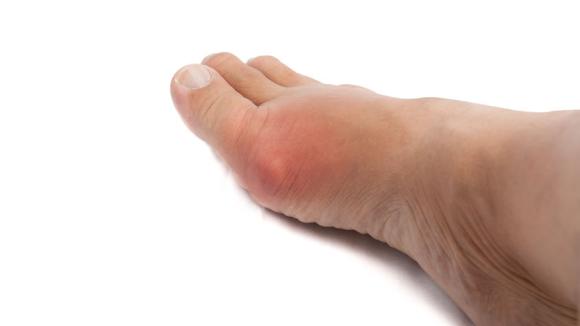
This week’s NEJM features a case discussion and debate over whether medical marijuana should be used to treat chronic pain. The debate focuses on a 31-year-old woman with long-standing complex regional pain syndrome in her leg and foot.
By downloading this material, I acknowledge that it may be used only for personal use and personal education and that I will accredit RheumNow.com as the source and owner of this material. Commercial use or mass reproduction of this material without permission from RheumNow (info@rheumnow.com) is prohibited.

