Eli Lilly and Company announced last friday that the European Medicines Agency's (EMA) Committee for Medicinal Products for Human Use (CHMP) has issued a positive opinion, recommending the approval of baricitinib for the treatment of adults with moderate to severely active rheumatoid arthritis (R

All News
Research from Johns Hopkins reports that rheumatoid arthritis (RA) patients with periodontitis exhibited patterns of autoantigen hypercitrullination similar to that seen in RA. Results published in Science Translational Medicine showed that Aggregatibacter actinomycetemcomitans can produce hypercitrullination of patient neutrophils, indicating its possible role in triggering RA. (Citation source: http://buff.ly/2hZTBG8)
Dr. Jack Cush reviews highlights from this week on RheumNow.com
The U.S. Supreme Court has declined to hear a case over whether companies that make biosimilar drugs must wait six months after federal approval before they bring them to the market.
Researchers from Manchester, UK have reported the results of their BRAGGSS study showing that certolizumab (CZP) random drug levels and anti-drug antibody (ADAbs) levels can predict optimal outcomes in CZP treated rheumatoid arthritis patients.
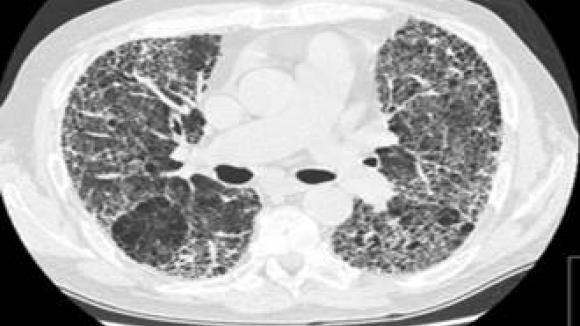
While it is known that rheumatoid arthritis (RA) patients with interstitial lung involvement is associated with severe seropositive disease and is associated with an increased mortality.
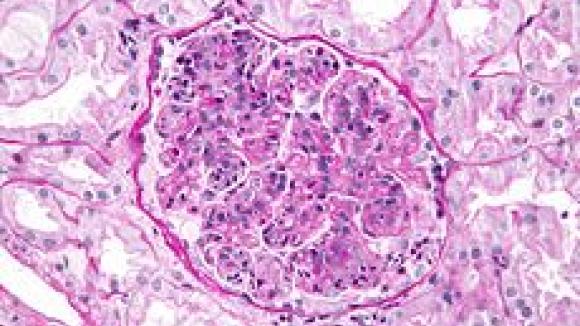
ANCA associated vasculitis (AAV) has undergone considerable study and advances in the last few years.
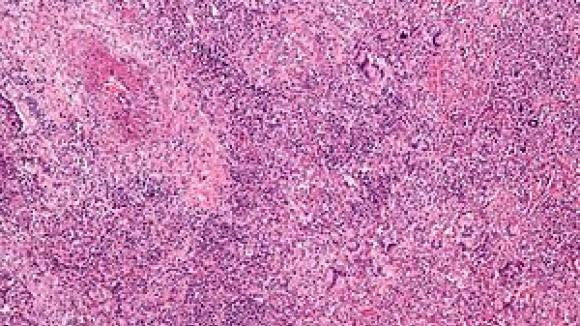
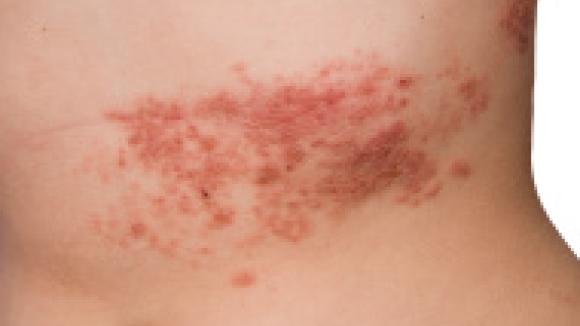
In November I reported on an abstract presented at ACR by Muratore, et al. who looked for evidence of VZV infection in temporal artery biopsies of GCA patients and found none.
WASHINGTON -- Rheumatoid arthritis is a recognized risk factor for heart attacks and stroke, but a study comparing two leading biologics found only a non-significant increase in relative risk for patients treated with toclizimab (Actemra) vs etanercept (Enbrel), researchers reported here.
Tofacitinib may well be joined by a new once daily JAK inhibitor, baricitinib in the next few months.
Dr. Cush highlights reports from this week on RheumNow.com.
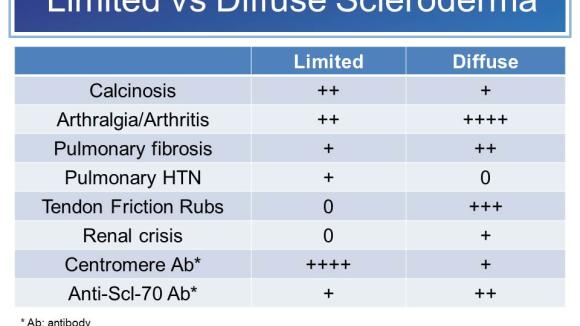
Diffuse cutaneous systemic sclerosis (dcSSc) is one of the most difficult autoimmune diseases to treat. In case of major organ involvement (lung, kidney), prognosis is poor and treatment options are limited.
The New England Journal of Medicine has reported the results of a large clinical trial demonstrating the efficacy of ustekinumab (Stelara) in treating patients with active Crohn's disease (CD). (Citation source http://buff.ly/2gsSNcs)
It is well known that ANCA-associated vasculitides can be hard to control and relapses are common. The choice of maintenance therapy is rather limited and therapies are not always effective.
Dr. Philip Mease, MD presented the long-term efficacy and safety data for secukinumab in psoriatic arthritis (PsA) at the ACR Annual meeting in Washington, DC.
Washington is always a great city to visit (even though there were a few protesters floating around the streets). I hope the posts I made were of interest to some readers. Here are my top 5 highlights from ACR 2016:
The final day of the 2016 annual ACR meeting saw the return of "Rheumatology Round-up" at 7:30am in Hall D.
Some big highlights from Tuesday at the 2016 ACR/ARHP annual meeting included the PRECISION trial, EXXELERATE trial and the new anti-IL-23 in psoriatic arthritis.
Diffuse cutaneous systemic sclerosis (dcSSc) is one of the most difficult autoimmune diseases to treat. In case of major organ involvement (lung, kidney), prognosis is poor and treatment options are limited.