

All News

Best of 2025: 2025 BSR Guideline for Treatment of Axial Spondyloarthritis
Editor's note: This article was originally published April 22, 2025, and is being shared again as part of RheumNow's 'Best of 2025' series as we close out the year. Enjoy!
Read Article
Best of 2025: Variability of Guidelines on the Perioperative Use of DMARDs in Rheumatic Diseases Patients
More effective treatments in patients with rheumatic diseases have resulted in less need for major surgery, yet a substantial number of RMD patients will undergo surgery often in the setting of DMARDs use. A scoping review looked at numerous clinical practice guidelines/recommendations for the perioperative management of DMARDs and found inconsistencies and low quality evidence, with great reliance on conditional (expert opinion) recommendations.
Read Article
Best of 2025: ERS/EULAR guidelines for CTD-related interstitial lung disease
The European Respiratory Society (ERS) and European Alliance of Associations for Rheumatology (EULAR) have published clinical practice guidelines for the evaluation and management of connective tissue diseases (CTD) associated interstitial lung disease (ILD) in two simultaneous publications in the European Respiratory Journal and Annals of Rheumatic Diseases.
Read Article
Best of 2025: Hydroxychloroquine for Everyone
Nearly 25 years ago, while lecturing on best therapies for rheumatoid arthritis (RA), I loudly stated that hydroxychloroquine was “useless” and, deservedly, I was “boo-ed” off stage. My point then was that rheumatologists needed to be aggressive, if not overly aggressive, in treating all RA patients. And my view was that HCQ was representative of under-treatment. I have reconsidered the use of HCQ in RA substantially in the last few years, based on its merit.
Read Article
Best of 2025: Antifibrotics - A New Class of Therapies in Rheumatology?
Rheumatologists typically manage systemic autoimmune rheumatic diseases and associated interstitial lung disease with immunosuppressants. However, evidence increasingly supports also the use of antifibrotic agents in this setting.
Read Article
Nerandomilast FDA Approved for Progressive Pulmonary Fibrosis
The FDA has approved nerandomilast (Jascayd), a PDE4b inhibitor, to treat adults with progressive pulmonary fibrosis (PPF). Nerandomilast was approved to treat idiopathic pulmonary fibrosis (IFP) in October 2025.
Read Article
Best of 2025: Overview of the VEXAS Syndrome
A current systematic review in Rheumatology addresses the clinical features seen in the VEXAS syndrome.
Read Article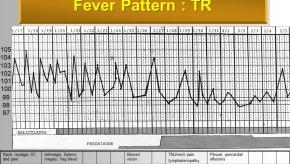
Disease Activity Criteria for Adult-Onset Still's Disease: EULAR Points to Consider
EULAR has published a "points to consider" (PtCs) guidance on the development of criteria for the assessment of the disease activity in adult-onset Still’s disease (AOSD).
Read Article
Medical Cannabis for Pain Management
Recent research and publications have underscored the use, efficacy, safety and limitations to the use of cannabis for arthritis and pain patients.
Read Article
B Cell Targeting in Idiopathic Thrombocytopenic Purpura
The New England Journal of Medicine has published a phase III clinical trial showing that a B cell targeting monoclonal antibody, ianalumab, was effective in more than half of the patients with primary immune thromboc
Read Article
APPs in the News (12.5.2025)
Dr. Jack Cush reviews the news and journal reports from RheumNow.com, including info on scleroderma, dermatomyositis and malignancy, rheumatologist and APP salary concerns.
Read Article
Low Dose Naltrexone for Fibromyalgia Pain - Use it or Lose it?
Medscape recently reviewed off-label use of low dose naltrexone (LDN) in fibromyalgia (FM) and found it is deemed effective by some clinicians and patients, but 1) there is no FDA indication for LDN use in FM and 2) the data supporting its use is limited.
Read Article
DMARD Treatment Lags for Minority Groups with Rheumatoid Arthritis
Use of disease-modifying anti-rheumatic drugs (DMARDs) for rheumatoid arthritis (RA) was markedly lower among all major racial-ethnic minority groups in the U.S. compared with white patients, analysis of federal survey data indicated, even after adjusting for income, education, and other factors.
Read Article



Links:

Links:

