The results from a phase 2 clinical trial presented at the American Society of Hematology meeting demonstrated that the drug abatacept was highly effective in managing severe acute graft-versus-host disease (GvHD) in patients receiving hematopoietic stem cell transplants.

All News
UK researchers have analyzed rheumatoid arthritis (RA) patients from the UK Clinical Practice Research Database and shown that chronic conventional DMARD (cDMARD) use was associated with 40% lower risk of dementia (nearly 50% with methotrexate use).
Listen in on the proceedings from the 2018 RWCS meeting in Maui, with excerpts from leading teachers in rheumatology. This podcast features presentations from Drs.
Listen in on the proceedings from the 2018 RWCS meeting in Maui with excerpts from leading teachers in rheumatology. This podcast features topics in dermatology, the fellowship program lead by Dr. Bernie Rubin and videos by the fellows. Featured are Drs.
Dr. Jack Cush reviews highlights, news and recent research published this week on RheumNow.com. This week's report includes news and education from the RWCS meeting in Maui.
Listen in on the proceedings from the 2018 RWCS meeting in Maui with excerpts from leading teachers in rheumatology. This podcast features Drs. Martin Bergman, Jack Cush, Rachel Tate, Phil Aleksiejuk, Shubha Kollampare, Orrin Troum, and Alvin Wells. Listen here or on Stitcher, iTune, iPhone, Soundcloud or Google play.
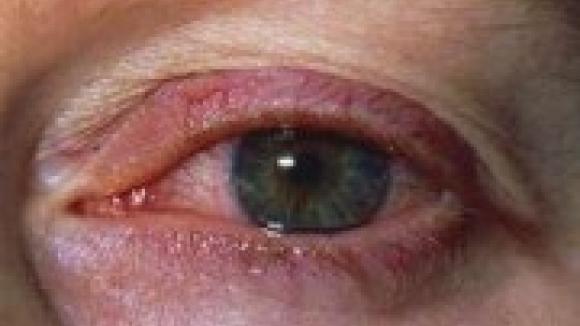
Arthritis Research and Therapy reports on the epidemiologic association between recurrent anterior uveitis and ankylosing spondylitis (AS) noting that as the number of uveitis episodes increases, so does the incidence of AS.
Listen in on the proceedings from RWCS with excerpts from leading teachers in rheumatology. This podcast features Drs. Bevra Hahn, Artie Kavanaugh and Anne Stevens.
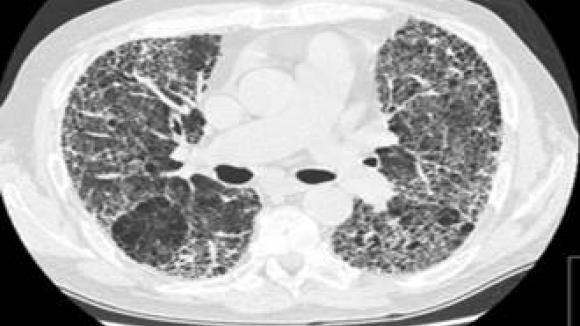
Abatacept (Orencia) may be a useful treatment option for patients with rheumatoid arthritis (RA) who develop interstitial lung disease (ILD), a Spanish study suggested.
In Arthritis & Rheumatology, the American College of Rheumatology updates their projections for the rheumatology workforce between 2015 and 2030, noting that despite an aging population and an increase in the rheumatology fellowship positions, there will be a significant shortage of rheumatologists by 2030.
Here are the 10 most talked about MMWR Reports of 2017.
Methotrexate may provide benefits in treatment of the chronic arthritis that can persist following acute chikungunya virus infection, but definitive evidence remains lacking, researchers reported.
Researchers from Hong Kong assessed the clinical associations seen with the anti-melanoma differentiation-associated gene 5 antibody (anti-MDA5 Ab) assay in consecutive patients with dermatomyositis (DM) and polymyositis (PM).
A prospective study has shown that ankylosing spondylitis (AS) patients often require narcotic analgesics to manage pain unresponsive to antiinflammatory therapies.
EUSTAR study results published in Arthritis Research & Therapy show the current state of immunosuppressive use in systemic sclerosis patients with interstitial lung disease (SSc-ILD) to be ill-defined, but that liberal use of glucocorticoids (GC) in SSc-ILD should be discouraged
Dr. David Daikh, president of the American College of Rheumatology (ACR) has written a letter to the Department of Health and Human Services (HHS) in response to their Request for Information on Promoting Health Care Choice and Competition Across the United States.
In the past 2 decades, mortality from end-stage renal disease (ESRD) among U.S. patients with granulomatosis with polyangiitis (GPA) has declined significantly, a nationwide study found.
A claims data analysis shows that abatacept use in rheumatoid arthritis (RA) patients yielded a modestly reduced cardiovascular risk when compared to patients receiving TNF inhibitors (TNFi).
New data shows that nearly 15 percent of adult ibuprofen users exceed the maximum recommended dose of ibuprofen or other NSAIDs in a one-week period.
Corticosteroid therapy is integral to the treatment of polymyalgia rheumatica (PMR) and giant cell arteritis (GCA) and a new retrospective cohort study from the UK shows that PMR and GCA have similar, increased risk of fractures.