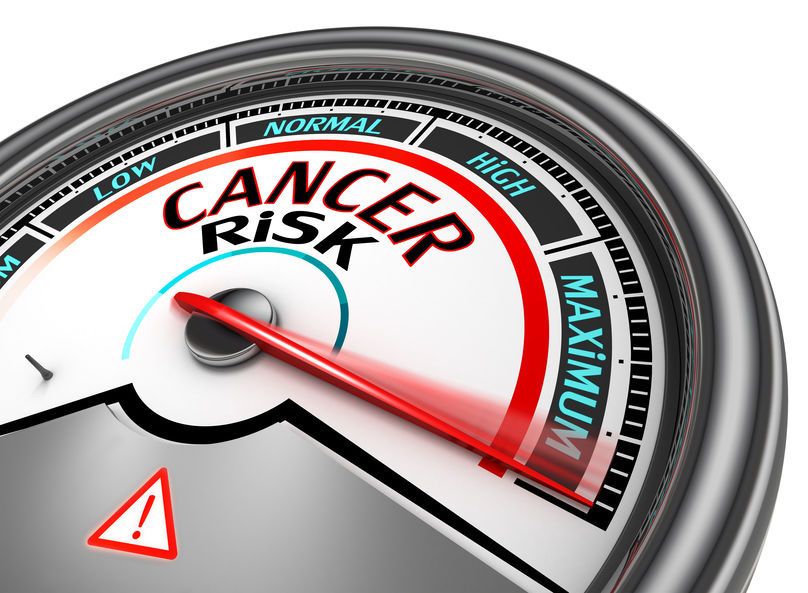
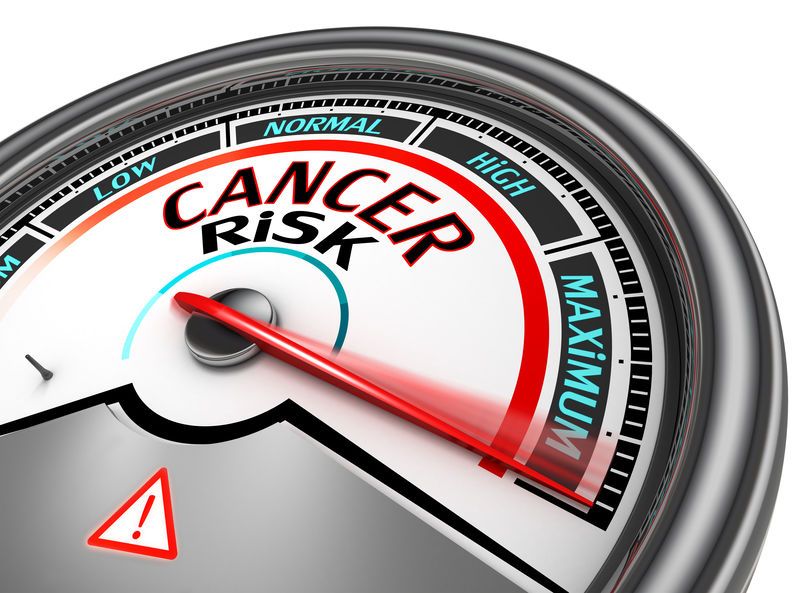
Bernatsky and colleagues have shown cancer risk factors in incident systemic lupus erythematosus (SLE).
Researchers analyzed an SLE cohort of 1,668 patients, over an average of 9 years follow-up and found 65 cancers: 15 breast; 10 nonmelanoma skin; 7 lung; 6 hematologic; 6 prostate; 5 melanoma; 3 cervical; 3 renal; 2 each gastric, head and neck, and thyroid; and, 1 each rectal, sarcoma, thymoma, and uterine cancers.

All News
Arthritis numbers are rising, and people are finally talking about osteoarthritis. Also, ACR 2021 is just a few weeks away - are you ready? Finally, I'll review cases and questions submitted by viewers in Ask Cush Anything (#ACA). This, and nearly a dozen news items and reports, are discussed in this week's podcast. Let's begin.
No Recurrent Cancer Risk With Biologic Treatment of RA
Patients with rheumatoid arthritis (RA) who had a history of cancer did not have an increased risk of new or recurrent cancers if treated with biologic therapies, a meta-analysis found.
Almost three years ago to the day, I did a podcast entitled, "I wanna new drug." As I go over this week's podcast, I want to say it again. I want a new drug safe enough to use during pregnancy, for PMR, for GVHD, and more. I'm going to cover these, and other topics including lupus, COVID breakthrough infections, and statin use and the risk of RA, as I review the news and journal articles from the past week on RheumNow.
Following is a statement from ACR President David Karp, MD, PhD, on JAK inhibitors and FDA drug safety communication.
The FDA has again extended its decision on whether the manufacturers of vaping products can market their e-cigarettes in the United States.
Lymphoma in RA: Disease Activity Matters
Among patients with rheumatoid arthritis (RA), the strongest risk factors for the development of lymphoma were disease activity and severity, French researchers found.
In a multivariate analysis, having a high Disease Activity Score in 28 joints (DAS28) at baseline conferred twice the risk for lymphoma, with an odds ratio of 2.09 (95% CI 1.41-3.38), according to Gaetane Nocturne, MD, of Hôpital Bicêtre in Ile-de-France, and colleagues.
Dr. Jack Cush is joined by Drs. Roy Fleischmann (Dallas), Allan Gibofsky (NYC), and Artie Kavanaugh (San Diego) to discuss the 9/2/21 FDA Drug Safety Communication regarding the cardiovascular and cancer risks arising from the Pfizer 1133 (ORAL Surveillance) tofacitinib study, but also applied to baricitinib and upadacitinib.
Today, Sept.1st, the FDA announced its decision regarding tofacitinib's safety concerns from the Oral Surveillance study - handing down warnings for not only Pfizer's JAK inhibitor, but also for other marketed JAK inhibitors from AbbVie and Eli Lilly & Co.
These safety concerns arise from the Oral Surveillance study - a large, post-marketing, safety trial of tofacitinib versus adalimumab in high risk patients. New warnings about the risks of cardiac events, death and cancer will appear as a revision to the "boxed warnings" in the product label (package insert) for all JAK inhibitors - tofacitinib, baricitinib and upadacitinib.
ACR Guidance on Timing of 3rd Dose Booster with Immunomodulatory Drugs
The American College of Rheumatology has issued an updated version of its COVID-19 Vaccine Clinical Guidance for Patients with Rheumatic and Musculoskeletal Diseases following recent recommendations from the CDC that certain immunocompromised patients receive a third dose of an availabl
Among the factors that were associated with an increased risk for the development of rheumatic immune-related adverse events following cancer treatment with immune checkpoint inhibitors (ICIs) was the type of malignancy involved, a large case-control study found.