
Article
Combe and leading European rheumatologist have published an update to the 2007 European League Against Rheumatism (EULAR) recommendations for management of early arthritis.

Search for Terms or Answers
Combe and leading European rheumatologist have published an update to the 2007 European League Against Rheumatism (EULAR) recommendations for management of early arthritis.
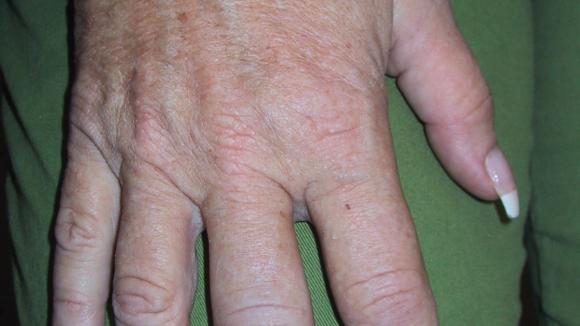
Neuropsychiatric manifestations of systemic lupus erythematosus (SLE) may occur in up to half of patients in their lifetime.
However, dementia is often not reported or studied in cohorts with neurologic disease in lupus.

The U.S. Supreme Court has declined to hear a case over whether companies that make biosimilar drugs must wait six months after federal approval before they bring them to the market.

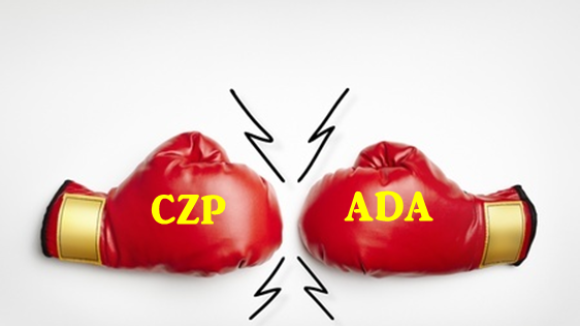
Researchers from Manchester, UK have reported the results of their BRAGGSS study showing that certolizumab (CZP) random drug levels and anti-drug antibody (ADAbs) levels can predict optimal outcomes in CZP treated rheumatoid arthritis patients.

Combustible and smokeless tobacco use causes adverse health outcomes, including cardiovascular disease and multiple types of cancer. Cigarette consumption in the United States has declined overall since the 1960s, but consumption of other tobacco products has not.

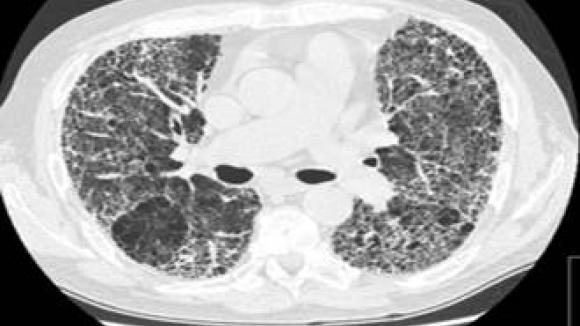
While it is known that rheumatoid arthritis (RA) patients with interstitial lung involvement is associated with severe seropositive disease and is associated with an increased mortality.
ANCA associated vasculitis (AAV) has undergone considerable study and advances in the last few years.
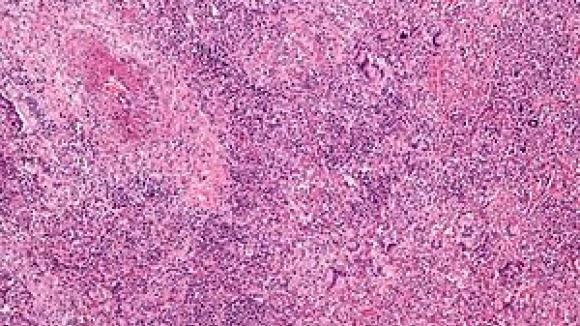
In November I reported on an abstract presented at ACR by Muratore, et al. who looked for evidence of VZV infection in temporal artery biopsies of GCA patients and found none.
WASHINGTON -- Rheumatoid arthritis is a recognized risk factor for heart attacks and stroke, but a study comparing two leading biologics found only a non-significant increase in relative risk for patients treated with toclizimab (Actemra) vs etanercept (Enbrel), researchers reported here.

A study by the American College of Physicians (ACP) found that physicians continue to prescribe treatments that offer little benefit to patients, despite the advice of clinical guidelines.

The EXXELERATE study is featured prominently in Lancet this week. In some ways, this represents a landmark negative trial that rheumatologists should review and be aware of.
Tofacitinib may well be joined by a new once daily JAK inhibitor, baricitinib in the next few months.

Dr. Cush highlights reports from this week on RheumNow.com.

The 21st Century Cures Act has become one of the most-lobbied health care bills in recent history, with nearly a half billion dollars being spent on both sides - those for and against the bill.
You should use this information to not only fend for yourself, but to more accurately guide trainees into a richly rewarding specialty that pays well and has many distinctions to boast of, including high science, hands-on patient interactions and long-term relationships, great hours, lifestyle and family friendly careers. Our field is in desperate need of high quality, problem-solving practitioners.

Education on MACRA is the key to successful survival. The important take home points noted in Dr. Will Harvey’s lecture at ACR 2016 (session title: Holy MACRA! How to Survive and Thrive in the New Era of MACRA, MIPS, and APMs) are stated below.

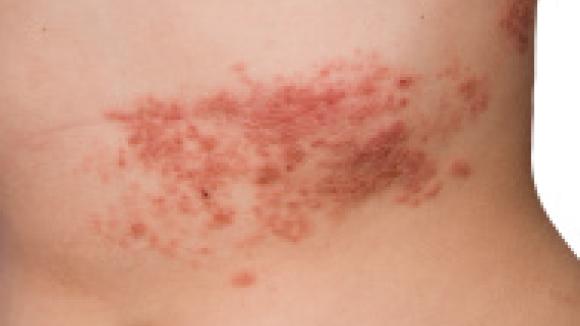
The potential association of herpes zoster with giant cell arteritis (GCA) has been a debated topic and certainly has gotten some attention at ACR 2016 this year.
Diffuse cutaneous systemic sclerosis (dcSSc) is one of the most difficult autoimmune diseases to treat. In case of major organ involvement (lung, kidney), prognosis is poor and treatment options are limited.

Dr. Philip Mease, MD presented the long-term efficacy and safety data for secukinumab in psoriatic arthritis (PsA) at the ACR Annual meeting in Washington, DC.

By downloading this material, I acknowledge that it may be used only for personal use and personal education and that I will accredit RheumNow.com as the source and owner of this material. Commercial use or mass reproduction of this material without permission from RheumNow (info@rheumnow.com) is prohibited.

