Article
Among patients with rheumatic diseases, age and female sex were important factors associated with the development of a first adverse event after initiating biologic treatment, Spanish researchers reported.

Search for Terms or Answers
Among patients with rheumatic diseases, age and female sex were important factors associated with the development of a first adverse event after initiating biologic treatment, Spanish researchers reported.

Add this to the list of hydroxychloroquine (HCQ) letdowns in managing COVID-19 treatment or risk - prophylaxis with HCQ fails to prevent COVID-19 infection in those exposed to the SARS-CoV-2 virus.
NEJM has reported a prospective, randomized, double-blind, placebo-controlled trial from the US and Canada wherein adults with household or occupational exposure to someone with confirmed Covid-19 were treated with either placebo or HCQ within 4 days of exposure.

Several recent reports offer conflicting views on the potential benefits and adverse outcomes of IL-6 inhibition with tocilizumab (TCZ) therapy in patients with severe COVID-19 infection.
An Italian study grabbed the headlines yesterday with a press release stating TCZ did not improve respiratory symptoms, ICU admissions or mortality rates when given to 126 COVID patients with early disease. The study, supported by the Italian Medicines Agency (Aifa), stopped enrollment (about 1/3 of projections) after an interim analysis found insufficient evidence that TCZ would be effective. This report has not been published or undergone critical review.

Dr. Jack Cush reviews the news and journal reports from the past week on RheumNow.com.

Yesterday the FDA approved secukinumab (Cosentyx) for the treatment of patients with active non-radiographic axial spondyloarthritis (nr-axSpA). There are now three agents that are FDA approved for nr-axSpA: certolizumab, ixekizumab and now, secukinumab.

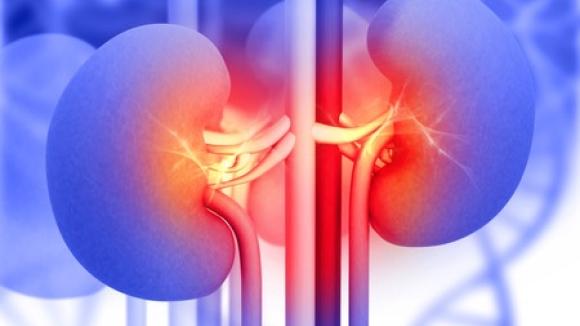
The high potency calcineurin inhibitor voclosporin plus standard of care was superior to standard of care alone in a phase III study of lupus nephritis known as AURORA.
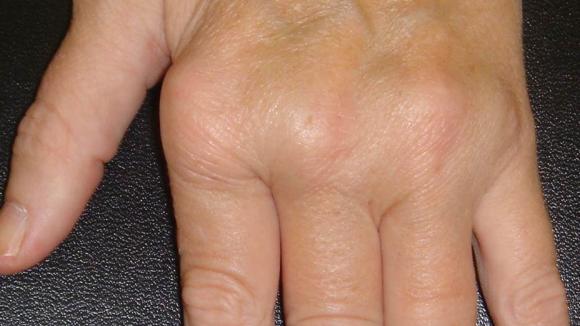
Yesterday, the FDA approved canakinumab (Ilaris) as treatment for adult-onset Still's disease (AOSD), the first ever FDA approved drug for AOSD.
Canakinumab, an interleukin-1 inhibitor, was FDA approved in 2013 for use children (aged 2 years and older) with systemic juvenile idiopathic arthritis and has since been approved for use in other periodic fever disorders (e.g., FMF, CAPS, TRAPS, Hyper IgD syndrome).
The prevalence of atherosclerotic vascular events among patients with systemic lupus erythematosus (SLE) today is considerably lower than in the past, analysis of multicenter data found.
Among patients enrolled in an inception cohort from 1999 to 2017, only 3.6% of patients had an atherosclerotic vascular event, at a rate of 4.6 per 1,000 patient-years, according to Murray B. Urowitz, MD, of the University of Toronto in Canada, and colleagues.

For patients with gout exacerbations while on pegloticase (Krystexxa), adding methotrexate may help reduce uric acid levels, researchers suggested at the European League Against Rheumatism (EULAR) virtual meeting.
In a small open-label study of 14 patients experiencing acute gout attacks, use of the pegloticase/methotrexate combination reduced uric acid levels to near undetectable levels in 11 patients, reported John Botson, MD, medical director of Orthopedic Physicians Alaska in Anchorage. He noted that this was far below the 5 mg/dL level recognized as the threshold for development of inflammation that causes gout attacks.

In this week's podcast, Drs. Artie Kavanaugh and Jack Cush present highlights from the virtual EULAR2020 meeting held June 3-6, 2020. Featured reports include the SELECT-CHOICE study, the EXCEED trial, Avacopan in AAV, BeST mortality outcomes, BLISS-LN study, biosimilars and tofa in systemic sclerosis.

These were my top abstracts from Thursday, 4th of June at EULAR 2020:

These were my top abstracts from Thursday, 4th of June at EULAR 2020:
By downloading this material, I acknowledge that it may be used only for personal use and personal education and that I will accredit RheumNow.com as the source and owner of this material. Commercial use or mass reproduction of this material without permission from RheumNow (info@rheumnow.com) is prohibited.