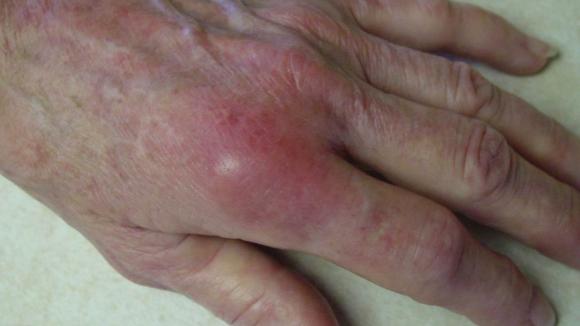
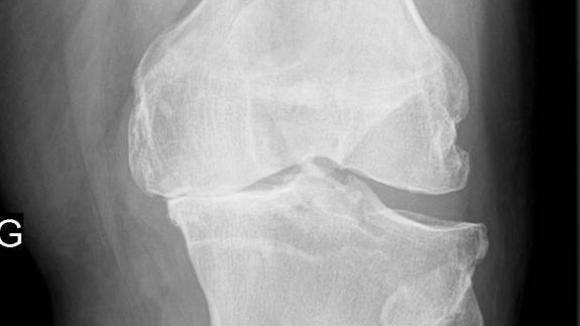
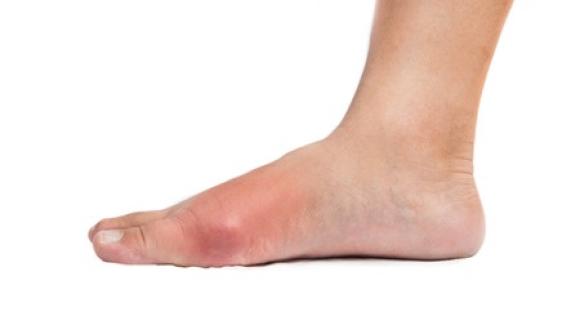
Lesinurad (Zurampic) was approved earlier this year as adjunctive therapy to other urate-lowering therapies. It is a selective uric acid reabsorption inhibitor (URAT-1 inhibitor) designed to treat gout, and be used in combination with other xanthine oxidase inhibitors.
All News
Dr. Jack Cush reviews news and journal reports from the past week on RheumNow.com.
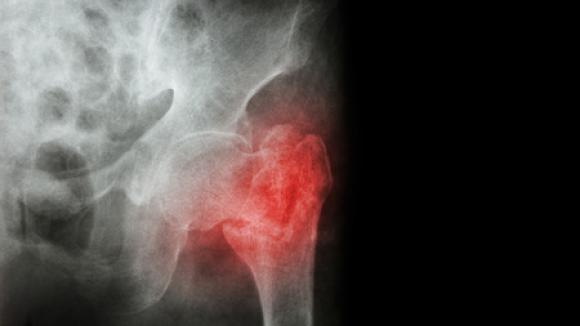
Is the occurrence of a fragility fracture a missed opportunity to reduce exposure to prescription drugs associated with fracture risk?
Dr. Cush reviews the RheumNow.com highlights in rheumatology for the week ending 19 August 2016.
The goal in rheumatoid arthritis (RA) treatment is remission. But what level or method of remission is best?
A U.S. court has affirmed its decision that the patent for Johnson & Johnson's drug Remicade is invalid. This new ruling favors the intent of Celltrion and Pfizer, who are seeking to bring their biosimilar versions of infliximab to market in the near future.
A new national survey in the United States of nearly 600 individuals with psoriasis, reveals that although patients have numerous treatment options, they have difficulty finding treatment plans that work. In addition, respondents reported a heavy emotional toll, with many feeling isolated and stigmatized due to the condition.
Tobacco and chronic smoking is a major risk factor for the onset of rheumatoid arthritis (RA), and chronic smoking has been linked to severity of disease and lower DMARD response rates.
Myelodysplastic syndrome may infrequently present with inflammatory or autoimmune symptoms. This literature review shows a variety of presentations and treatment options for such patients.
Rheumatologists are well-acquainted with the rules for hydroxychloroquine (HCQ) retinopathy screening: A) annual visits to the ophthalmologist and B) maintain HCQ doses at less than 6.5 mg/kg to avoid retinopathy.
Watch Dr. Cush review 13 highlights from this week on RheumNow.
SHARE (Single Hub and Access point for pediatric Rheumatology in Europe) is a group established in 2012 to develop and optimize diagnostic and management regimens in Europe for children and young adults with rheumatic diseases.
Warnings of cancer, especially lymphoma, have accompanied the development and promotion of tumor necrosis factor inhbitors (TNFi) in the treatment of RA and other inflammatory disorders.
The pathogenesis of Alzheimer's disease (AD) is unknown but some have speculated a role for inflammation.
Circadian rhythms may be disrupted or become exaggerated in a variety of inflammatory conditions. For instance, interleukin-6 (IL-6) and IL-1 have a known circadian cycle to their production, but the same can not be said for TNF.
A EULAR task force of 24 individuals (including 15 rheumatologists) have updated their previous 2006 guidelines for gout. The current update, which includes 11 recommendations, is based on a systematic literature review and a Delphi consensus approach to recommendations.
Highlights from this week on RheumNow.com include:
1. Having #RA in addition to solid cancer (breast, lung, prostate, colon) increases mortality rates by 40-50% in elders https://t.co/aitjusmOai
2. The global market for rheumatoid arthritis therapies was $19.9 billion in 2015, expected to reach $21.3B by 2020 https://t.co/d2Sh5C8y9f
3. Half of doctors never heard of MACRA:Medicare Access & CHIP Reauthorization Act. Starts on Jan 1st! https://t.co/eYgWBWCw6y Blog:https://t.co/sRKZSOFyNV
And more!
Infections are a concern for many when using tumor necrosis factor-α inhibitor (TNFi) therapy to treat inflammatory disorders. Even moreso in those at higher risk.
Tumor necrosis factor (TNF) receptor-associated periodic syndrome (TRAPS) is an autosomal-dominant autoinflammatory disease resulting from mutations of the TNF super family receptor 1A (TNFRSF1A) gene.
A study published in the British Medical Journal examines whether knee surgery or conservative medical management benefits those with degenerative meniscal tears. (Citation source http://buff.ly/2awVbKu)