Burmester and colleagues have published their review of the long-term outcomes and safety issues with the TNF inhibitor, adalimumab (ADA). The analysis included 15,132 patients exposed to adalimumab in global RA clinical trials.

All News
From tofacitinib developmental trials in RA and psoriasis and adherence to T2T in early RA to a rheumatology pearl about dapsone and much more, here are the highlights of what you may have missed on RheumNow.com this week.
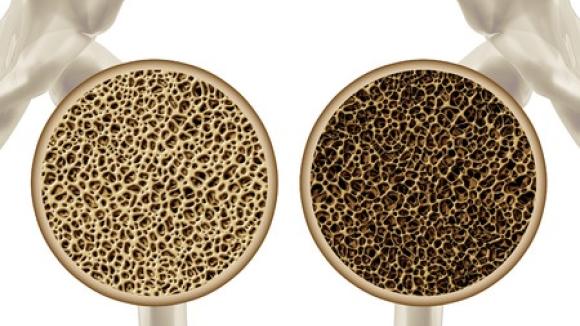
Reuters reports that a study of 6629 Canadian women with osteoporosis taking bisphosphonates found that nearly one in five had a decrease in bone density while on medication. (Citation source: http://buff.ly/2afb7nj)
SAPHO is an acronym that describes a constellation of findings (synovitis, acne, pustulosis, hyperostosis, and osteitis) that defines this rare syndrome.
Porter and colleagues have reported that both rituximab (RTX) and tumour necrosis factor inhibitors (TNFi) are equally and highly effective in early, active, biologic-naive rheumatoid arthritis patients.
The issue of lower intestinal tract perforation (LIP) is no novelty to rheumatologists since the RA treatment paradigm shifted from use of NSAIDs (the most common cause of upper GI tract perforations) to steroids and non-steroidal DMARDs.
The Food and Drug Administration’s Arthritis Advisory Committee (AAC) yesterday recommended that the Sandoz etanercept (Enbrel) biosimilar (GP-2015) be approved for use in the United States.
The Food and Drug Administration’s Arthritis Advisory Committee yesterday recommended that Amgen biosimilar (ABP 501) to Humira (adalimumab) be approved for use in the United States.
Cryotherapy is a non-FDA approved treatment that has been promoted to treat post-athletic injury, osteoarthritis,rheumatoid arthritis, fibromyalgia, alzheimers, migraines, asthma, multiple sclerosis, etc. Cryotherapy may be as simple as ice packs on a localized portion of the body, such as the lower back, or may involve whole body cryotherapy.
Sclerostin, an inhibitor of the Wnt/β-catenin pathway, negatively regulates osteoblast differentiation and has anti-anabolic effects on bone formation. Thus, inhibition of sclerostin is currently being studied as therapy for postmenopausal osteoporosis.
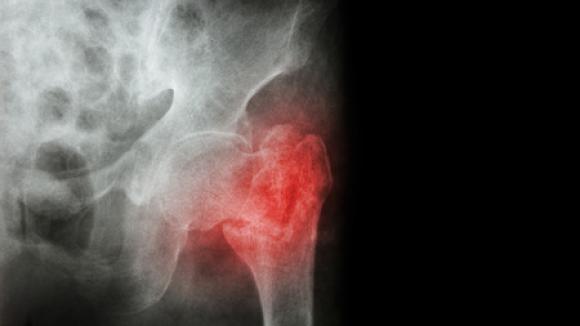
The NY Times reports that millions of Americans with osteoporosis are driven to stop or not take bisphosphonate therapies over the fear of exceedingly rare side effects - osteonecrosis of the jaw (ONJ) and atypical femoral fractures (AFF).
The results of the faSScinate trial were published in Lancet showing that treatment with Actemra (tocilizumab) resulted in a reduction in skin thickness and an improvement in lung function in patients with systemic sclerosis (SSc).
A Finnish early RA register studied 14,878 incident RA patients from 2000-2008 and identified 1157 deaths. Patients receiving DMARDs and MTX had lower mortality rates. The standardized mortality ratio for the entire cohort was reduced (0.57, 95% CI 0.52 to 0.62).
I was truly stunned when it was announced that Glenn Frey, from the Eagles, had died as a result of complications from his rheumatoid arthritis, ulcerative colitis and pneumonia.
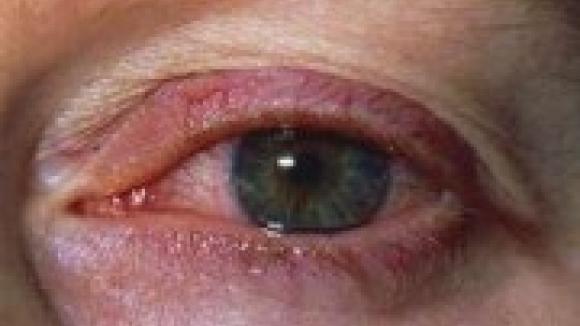
Autoimmune ophthalmic disease is a frequent challenge to rheumatologists from both a diagnostic and therapeutic perspective. Approved therapies are limited and have only been infrequently or comfortably utilized by rheumatologists and autoimmune ophthalmologists.
Dr. Jack Cush reviews highlights from the news and social media in the past week on RheumNow.com
A recent report from Johns Hopkins, published in the Annals of Rheumatic Diseases, describes 13 cancer patients treated with the immune checkpoint inhibitors, ipilimumab or nivolumab, who developed inflammatory arthritis and sicca syndrome.
Tocilizumab is currently listed as a Category "C" pregnancy risk based on limited pre-clinical (animal) data that was negative.
Since the introduction of TNF inhibitors nearly 20 years ago, concerns over a potential associated cancer risk have abounded. The recent ACR RA treatment guidelines have addressed this recently, stating that patients with any solid tumor cancer or risk thereof should be treated as if they ha
Researchers from Bristol, UK have published a Cochrane review studying the effects of biologic therapies on fatigue.