
Article
Dr. Cush reviews highlights published this week at RheumNow.com.

Search for Terms or Answers
Dr. Cush reviews highlights published this week at RheumNow.com.
French researchers recruited 486 patients with giant cell arteritis (GCA) from over 40 centers throughout France, and compared their outcomes to age and sex matched individuals randomly selected from the general population. Both groups were followed for 5 years and assessed for the risk of serious infections.

The EULAR Annual European Congress of Rheumatology meeting was held in London from June 8-11, 2016 and was well attended by thousands. This year’s meeting had over 2,000 poster displays, and the EULAR 2016 Congress presented new recommendations on the management of rheumatoid arthritis, spondyloarthritis, and fibromyalgia.

The impact of systemic glucocorticoid exposure on fracture risk among new-onset rheumatoid arthritis (RA) was studied using administrative claims data detailing the treatments and outcomes of 42,127 newly diagnosed RA patients (between 2005-2012).

Dr. Jack Cush reviews the news, reports and highlights from EULAR and the last 2 weeks from RheumNow.com.
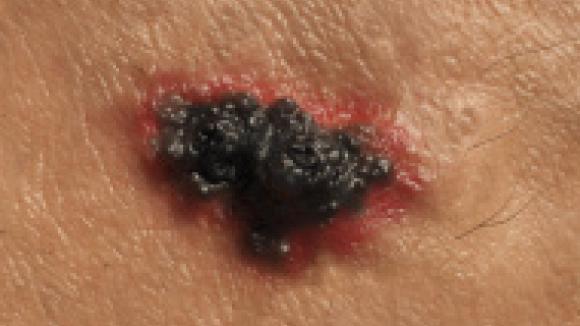
The combined analysis of 130,315 rheumatoid arthritis patients from 11 European registries did not reveal an association between invasive (malignant) melanoma and the use of biologic therapies.
Blocking the type 1 interferon receptor with the monoclonal antibody anifrolumab shows promise as a treatment for moderate-to-severe systemic lupus erythematosus (SLE), according to a phase IIb study presented here.
Prescription of long-acting opioids for chronic noncancer pain was associated with an increased risk of all-cause mortality, including deaths from causes other than overdose, compared with anticonvulsants or cyclic antidepressants, according to a study appearing in the June 14 issue of JAMA.

No increased incidence of inflammatory bowel disease has been seen among patients with psoriasis, psoriatic arthritis, or ankylosing spondylitis treated with secukinumab (Cosentyx) in the clinical trial programs for this interleukin (IL)-17A inhibitor, a researcher reported here.
Lancet has published the results of the U-ACT-early study assessing the efficacy of monotherapy versus combination therapy using an interleukin-6 receptor-blocking monoclonal antibody, tocilizumab, in patients with rheumatoid arthritis.

Desiree van der Heidje, MD, PhD presented the results of a 16-week, phase II, dose-ranging study of tofacitinib (TOFA) in patients with active ankylosing spondylitis.
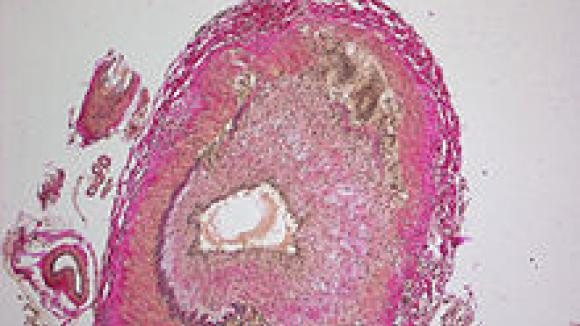
The GiACTA study has published its top line results demonstrating the efficacy of adding tocilizumab (TCZ) to steroid-tapered therapy in patients with giant cell arteritis (GCA).
Methotrexate , a cornerstone drug used to treat rheumatoid arthritis, has led to 90 hospitalizations and 7 deaths according to a recent report from the Medical Journal of Australia.

In April and May 2016, RheumNow sent 82 tweets regarding news, research and teaching points that strongly impacted the rheumatology community and resulted in a reach of 203,500 impressions, with 136 mentions, and over 6378 visits to RheumNow.com. Here are the top tweets from April and May.

This week's highlights from RheumNow.com include:
The NY Times reports that millions of Americans with osteoporosis are driven to stop or not take bisphosphonate therapies over the fear of exceedingly rare side effects - osteonecrosis of the jaw (ONJ) and atypical femoral fractures (AFF).
Gastrointestinal perforations (GIP) are not historically believed to be a common or uncommon complication. Hence, when this was noted in the tocilizumab (TCZ) and tofacitinib (TOFA) developmental trials, it was a curious if not perplexing finding.

Pain management in the U.S. is at a vexing crossroad. The news tells us that narcotics are increasingly being restricted for their dangerous side effects and inappropriate use.

Dr. Cush reviews highlights from this week on RheumNow.com.
Selective IL-23 inhibition has been touted to be the next great advance in the treatment of inflammatory bowel and psoriatic disease.
By downloading this material, I acknowledge that it may be used only for personal use and personal education and that I will accredit RheumNow.com as the source and owner of this material. Commercial use or mass reproduction of this material without permission from RheumNow (info@rheumnow.com) is prohibited.

