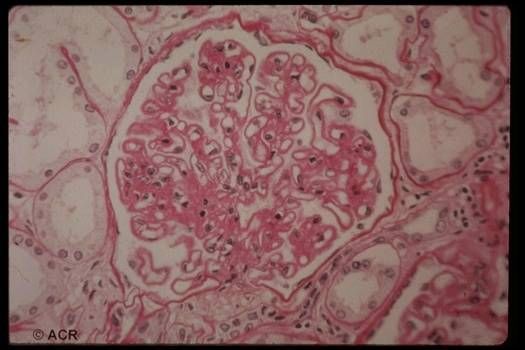
Lupus nephritis is one of the most silent and severe manifestations of SLE. When not captured early, patients are at high risk of progressing to end-stage renal disease, which would require dialysis or transplantation. Renal biopsy remains the gold standard for diagnosis and disease classification. However, the procedure is invasive and very painful. Non-invasive measures are critical for early detection and continuous monitoring.
All News
Are emulation ‘trials’ helpful, despite the biases that occur with observational data, or do they truly mimic the results of randomized controlled trials (RCTs)?
Dr. Jack Cush reviews the news and journal reports from the past week on RheumNow.com
Rates of heart failure with preserved ejection fraction (HFpEF) were doubled in patients with rheumatoid arthritis (RA) relative to other people of the same age and sex, researchers found.
Safety of Acetaminophen in the Elderly
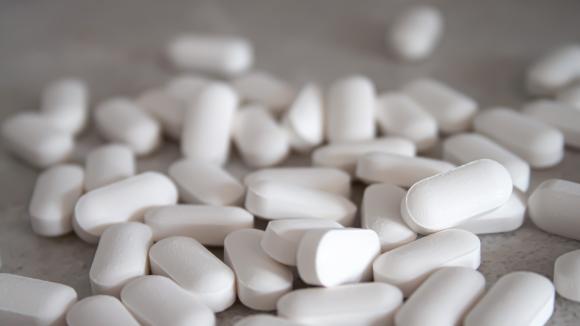
New research, led by experts at the University of Nottingham, has found that repeated doses of paracetamol in people aged 65 and over, can lead to an increased risk of gastrointestinal, cardiovascular and renal complications.
For decades, glucocorticoids (GCs) have formed the backbone of polymyalgia rheumatica (PMR) management.
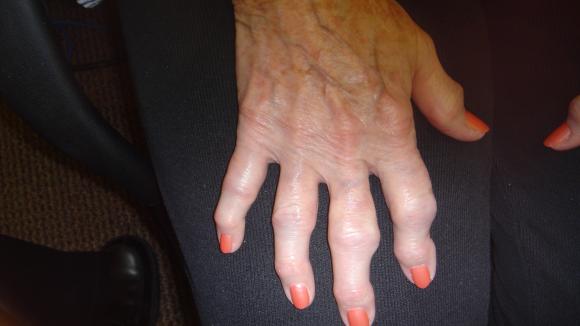
Leiden cohort study of hand osteoarthritis (HOA) patients shows that over 4 years, pain outcomes are variable, and not inevitably worsening.
Treat-to-Target LLDAS in Lupus
Patients with highly active systemic lupus erythematosus (SLE) appeared to sustain much less organ damage and fewer disease flares when drug therapy yielded substantial relief, researchers found.
The findings from ORAL Surveillance Study have been a dominant conversation at recent ACR Convergence, with the seminal findings and subsequent analyses a target of debate. Subsequent post-hoc analyses, follow-up studies, and claims data analyses have been used to further interpret the data, though a clear answer on safety is not certain. A study presented on Sunday reported on a new post-hoc analysis that provides new insights.
A Spanish retrospective registry study of patients with giant cell arteritis (GCA) found that 3-4 years after diagnosis, only 21% of patients with GCA successfully reached the sustained drug-free remission (SDFR).