
Article
Dr. Jack Cush reviews the news, journal articles and new ACR COVID-19 guidelines from the past week on RheumNow.com.

Search for Terms or Answers
Dr. Jack Cush reviews the news, journal articles and new ACR COVID-19 guidelines from the past week on RheumNow.com.

With the COVID-19 pandemic dynamically changing, we have provided several news items germane to the Rheumatologist.

An Italian study examined the outcomes in adult onset Still's disease (AOSD) based on whether they received early or delayed treatment with anakinra (ANK).
A total of 141 AOSD patients were retrospectively studied.

While there are numerous agents approved for use in juvenile idiopathic arthritis, little is know about actual use biological disease-modifying antirheumatic drug (DMARD) use or switching in the biologic era. A cohort comparison study has shown that after an unsuccessful trial of a first biologic, changing to a second TNFi is as effective as switching to a non-TNFi biologic.

Dr. Jack Cush reviews the news and journal articles from the past week on RheumNow.com.
Dr Jack Cush reviews the news and journal articles from the past week on RheumNow.com
Fourteen cases reported from mainland China suggest that tofacitinib (TOFA) may be effective in patients with refractory adult-onset Still’s disease (AOSD), further adding to a growing list of potential use of JAK inhibition in managing inflammatory, and now autoinflammatory, disease.

Dr Jack Cush reviews the news and journal articles from the past week on RheumNow.com
Dr Jack Cush comments on this week's journal articles, reviews and studies.
QD Clinic - Lessons from the clinic. In this video: Patients stable on a biologic need guidance on when, and if, they can stop their biologic.

Non-steroidal anti-inflammatory drugs (NSAIDs) are widely used for acute or chronic arthritis, headache, visceral pain, postoperative pain, etc but come with a small but significant risk of serious adverse effects, including hypertension, cardiovascular disease, kidney injury and GI complica

Two recent studies have examined the effect of starting abatacept upon the risk of serious hospitalized infections or cancer, showing divergent results from claims data analyses.

Dr. Jack Cush recaps standout presentations and information from ACR 2019 held in Atlanta November 9-12, 2019.

Dr. Jack Cush presents his favorite abstracts and presentations from Rheumatology Round Up and ACR 2019.
Arthritis Research & Therapy reports on a prospective cohort of children with juvenile idiopathic arthritis (JIA) shows that the incidence has held steady at 12.8/100,000 children, but that the frequency uveitis and the need for orthopedic surgery has decreased in the last 20 years.

Children with inflammatory diseases who were treated with tumor necrosis factor (TNF) inhibitors had a higher rate of incident psoriasis than those not exposed to these biologics, a single-center retrospective study found.
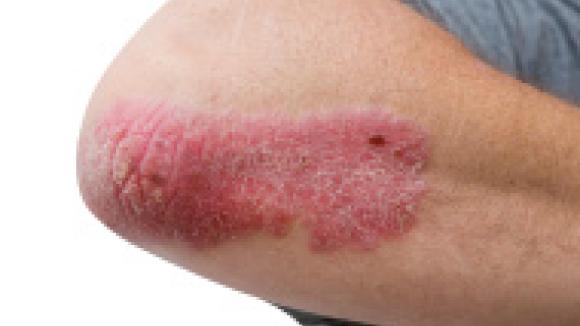
Arthritis Care & Research reports that juvenile arthritis (JA) patients may have a higher risk if coronary artery disease (CAD) in adulthood.

Reuters has reported the results of a recent Institute for Clinical and Economic Review (ICER) analysis showing that biologics, especially Humira and Rituxan, are leading the way in the cost of drugs in the USA.
All told, Humira and Rituxan topped a list of seven treatments whose combined 2017 and 2018 price hikes accounted for a $5.1 billion increase in U.S. drug spending. ICER said their analysis points to price hikes that were more than twice the rate of medical inflation and were not warranted by any new clinical evidence.

The U.S. Food and Drug Administration has approved Rituxan (rituximab) for the treatment of granulomatosis with polyangiitis (GPA) and microscopic polyangiitis (MPA) in children 2 years of age and older in combination with glucocorticoids.
This is the first approved treatment for children with vasculitis.
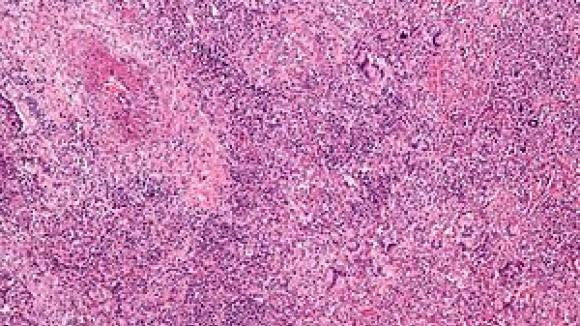
The interleukin (IL)-1 receptor antagonist anakinra (Kineret) showed promise in critically ill children who develop the often-lethal condition known as secondary hemophagocytic lymphohistiocytosis (sHLH)/macrophage activation syndrome (MAS), a retrospective single-center study found.

By downloading this material, I acknowledge that it may be used only for personal use and personal education and that I will accredit RheumNow.com as the source and owner of this material. Commercial use or mass reproduction of this material without permission from RheumNow (info@rheumnow.com) is prohibited.

