In the afternoon on Monday, the ACR ran a clinical symposium on gout. One presentation stood out, on “Asymptomatic hyperuricemia” (AH) by M. Pillinger, MD from NYU Medical School. At issue is when should AH be treated.

All News
Curtis and colleagues presented a plenary session that analyzed the duration of drug holidays and the risk of subsequent fractures (FX) in women starting bisphosphonates (BP).
Poster 318 presented at the ACR on Sunday morning caught attention of many, highlighting updates in phase 3 active controlled study of romosozumab vs alendronate in patients with postmenopausal osteoporosis with high risk of fracture.
The current issue of JAMA reviews the safety of long-term use of proton pump inhibitors (PPI). The following is a collection of the evidence about these purported risks.
Fractures
The NEJM reports that in high risk post-menopausal women, romosozumab for 12 months followed by alendronate resulted in a significantly lower fracture than alendronate alone.
The CDC has reported its 2013 and 2014 prevalence statistics for arthritis and other chronic medical conditions affecting U.S. adults aged ≥18 years. Data is drawn from the ongoing Behavioral Risk Factor Surveillance System (BRFSS), a state-based, telephone survey of noninstitutionalized adults. Data herein is self-reported arthritis (OA, RA, Gout, FM) and is quantified by state and metropolitan areas.
The RheumNow Week in Review discusses the past week's news, journal articles and highlights from RheumNow.com. This week's report discusses metabolic syndrome in lupus, bisphosphonate holidays, vasculitis and vascular inflammation, vaccination, and the repeated wonders of Vitamin D.
Opioid overdose deaths quadrupled from 1999 to 2015 and accounted for 63% of drug overdose deaths in the United States in 2015. During 2010–2015, heroin overdose deaths quadrupled from 3,036 to 12,989, with heroin and illicitly manufactured fentanyl (IMF) as likely contributors to this trend.
Fewer than half of rheumatoid arthritis (RA) patients at a risk of fracture sufficient to warrant guideline-recommended osteoporosis treatment received appropriate care, according to a large study of U.S. osteoarthritis (OA) and RA patients.
Management of chronic low back pain (CLBP) is often complex, requiring multiple modalities and meds to control pain. An analysis of studies shows that Gabapentinoids, including pregabalin and gabapentin, have little to no benefits but significant risk of adverse effects.
Every rheumatologist knows and every rheumatic patient woes about the havoc weather inflicts on joint pains. Yet, research on this issue has seldom confirmed these impressions.
Early diagnosis and early intervention has been the mantra of all who manage musculoskeletal (MSK) diseases for decades. While the rules for referral may be clear to some, the lack of uniformity and promotion amongst primary care providers is less certain.
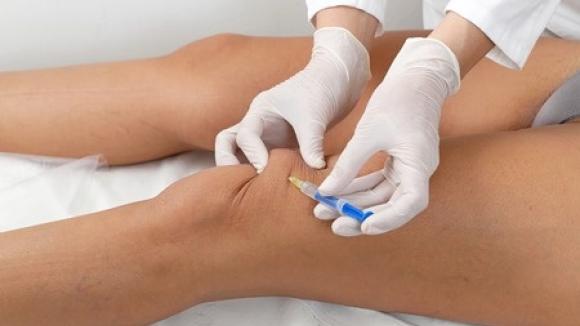
In March 2017, an outbreak of 41 cases of septic arthritis associated with intra-articular injections administered at an single outpatient practice occurred in New Jersey. A public health investigation identified multiple breaches of recommended infection prevention practices during the preparation and administration of PBP products. The intraarticular injections were done using fluoroscopic visualization. The CDC has reported the results of its investigation.
Bone mineral density (BMD) measurement vie DEXA scan commonly used to assess bone density and fracture risk in postmenopausal osteoporosis provides us with approximate assessment of bone health while lacking sensitivity in vertebral fracture risk prediction.
Dr. Jack Cush reviews the news from the past week on RheumNow.com:
Bone turnover markers (BTMs) have been eyed for decades as potential monitoring tools in osteoporosis.
The American College of Rheumatology has partnered with the American Association of Hip and Knee Surgeons to develop consensus-based guidelines for perioperative management of antirheumatic therapies for patients with rheumatic diseases who plan to undergo total joint replacement.
The American College of Rheumatology has updated its 2010 guideline for the prevention and treatment of glucocorticoid-induced osteoporosis. The guideline provides recommendations on assessing fracture risk and treatment for adults and special patient populations, including women of childbearing potential, adults treated with very high-dose glucocorticoids, adults with organ transplants, and children ages 4-17.
Dr. Jack Cush reviews highlights from the past week on RheumNow.com.
Reginster and colleagues have reported on the results of the CONCEPT trial showing that osteoarthritis (OA) patients treated 800 mg/day of pharmaceutical-grade chondroitin sulfate (CS) have less VAS pain scores and improved function over 6 months therapy. These results were superior to placebo and equivalent to celecoxib in reducing in symptomatic OA knee pain.