
Article
Dr. Jack Cush reviews highlights and news from the past week on RheumNow.com.

Search for Terms or Answers
Dr. Jack Cush reviews highlights and news from the past week on RheumNow.com.

Dr. Jack Cush reviews the news from the past week on RheumNow.com. Subscribe to the podcast on iTunes and SoundCloud.com.

Despite a growing body of evidence suggesting that maternal health is more important than maternal medications to fetal and infant outcomes, little is known about the long term oucomes of infants born to mothers with rheumatoid arthritis (RA). Using Danish population data, researchers have shown in utero exposure to maternal RA is associated with an increased risk of thyroid disease, and an increased risk of future RA.

The NLRP3 inflammasome is a critical component of the innate immune system and activation of NLRP3 inflammasome results in caspase-1–dependent secretion of the proinflammatory cytokines IL-1β and IL-18.
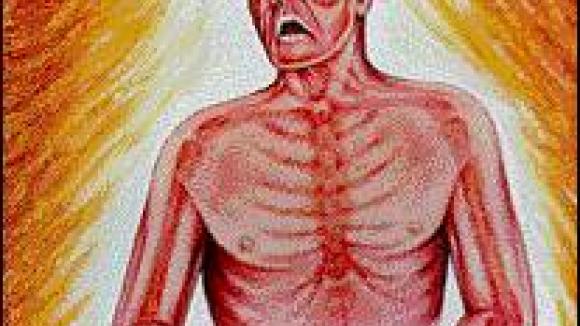
Dr. Jack Cush covers the news and journal articles published on RheumNow.comin the past week.
JAMA Internal Medicine has reported that recommendations and clinical practice guidelines from the American College of Rheumatology are often based on expert opinion, but lack rigorous (grade A) evidence to support many of their recommendations.

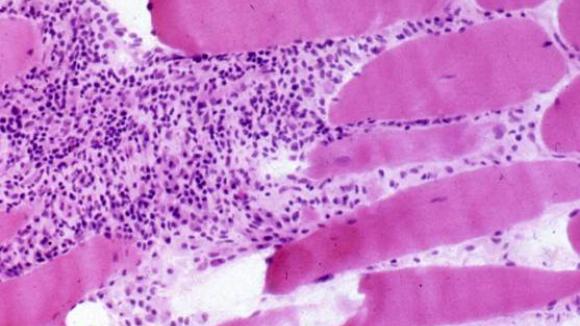
The European League Against Rheumatism and the American College of Rheumatology (EULAR/ACR) have developed classification criteria for idiopathic inflammatory myopathies (IIM) based on data from 976 IIM patients (74% adults; 26% children) and 624 non-IIM patients with mimicking conditions (82% ad
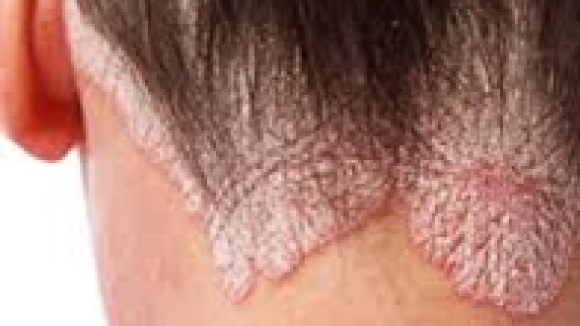
Johnson & Johnson has announced that they have received an expanded FDA approval for the use of ustekinumab (Stelara) in treating adolescent patients, aged 12 and over, with moderate to severe plaque psoriais.
Adult-onset Still's disease (AOSD) is the adult continum of systemic-onset juvenile idiopathic arthritis (SoJIA). Treatment of this febrile polyarticular systemic disorder can be complex, but has been relieved by several specific biologic therapies.
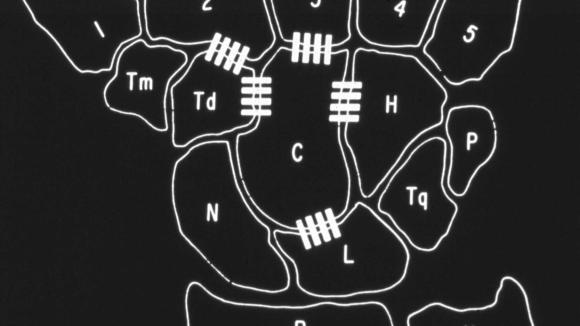
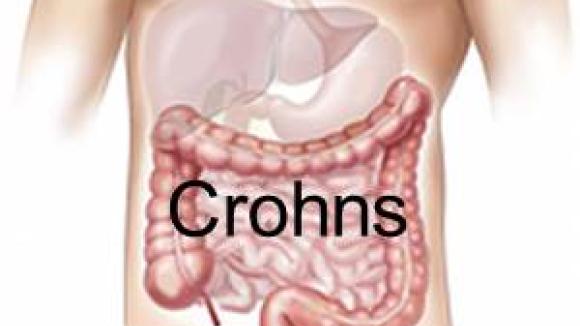
Crohn’s disease (CD), a chronic inflammatory condition of the gastrointestinal tract, is also known for its propensity to affect the musculoskeletal system.
Adult patients with a history of juvenile idiopathic arthritis (JIA) showed poorer health-related quality of life decades later, compared with individuals who were healthy as children -- even if they were in clinical remission, reported researchers in Norway.

Comorbidity is a serious consequence or confounder in patients with inflammatory diseases. This has been well described in both psoriatic and rheumatoid disease.
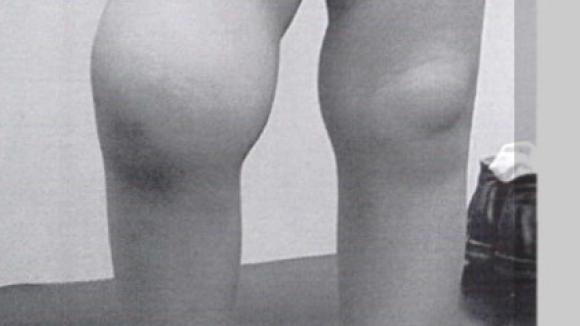
Subcutaneous (SC) abatacept (Orencia) is now available for use in patients 2 years of age and older with moderately to severely active polyarticular Juvenile Idiopathic (JIA) according to Bristol-Myers Squibb.
Dr. Jack Cush reviews highlights from the past week on RheumNow.com.

Kimme L. Hyrich, MD, PhD, of the University of Manchester in the United Kingdom, and colleagues point out that because of the lack of consensus in diagnostic criteria, "the same child could be classified as 'in clinically inactive disease' or having active disease at the same time point between clinicians or hospitals."

Treatment options for children with active polyarticular juvenile idiopathic arthritis (polyJIA) have lagged behind that seen with adult rheumatoid arthritis.
Dr. Jack Cush Reviews highlights from the past week on RheumNow.com:

Journal of Addiction Medicine reported that young adults often are "self-medicated" to manage pain.

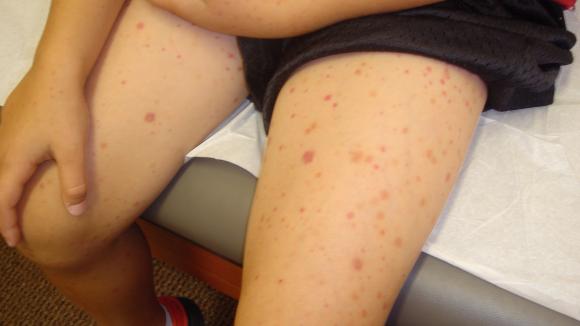
Adalimumab is currently FDA approved for use in adult psoriasis, pediatric Crohn's disease and polyarticular juvenile idiopathic arthritis. The current Lancet trial assesses the efficacy and safety of adalimumab in children and adolescents with severe plaque psoriasis.
Dr Jack Cush reviews highlights from the news last week on RheumNow.com:
By downloading this material, I acknowledge that it may be used only for personal use and personal education and that I will accredit RheumNow.com as the source and owner of this material. Commercial use or mass reproduction of this material without permission from RheumNow (info@rheumnow.com) is prohibited.

