Analysis of patients receiving anti–tumor necrosis factor α (TNFi) therapy in the British Society for Rheumatology Biologics Register (BSRBR) shows that the risk of demyelination is rare but is marginally increased by taking TNFi therapy.

All News
A new study of calcitonin gene-related peptide (CGRP) antagonists for migraine headaches found that a small subset manifested Raynaud phenomenon and other had microvascular complications, suggesting that CGRP antagonists should be used in caution in patients with Raynauds.
Researchers from the University of Cincinnati Gardner Neuroscience Institute will present data on a new treatment for Pompe disease at the American Academy of Neurology on April 20th; the results show that treatment with avalglucosidase alfa yielded substantial clinical improvements and a more favorable safety profile compared to the current standard of care (alglucosidase alfa).
Dr Jack Cush gives his spin on this week's RheumNews and Rheum Research from RheumNow.com.
Medscape offers up an informative overview of the newly described syndrome called VEXAS discovered by researchers at the National Institutes of Health.
Dr Jack Cush reviews the news and Journal reports and takes "Back Talk" questions from viewers.
Serious Infections Still Common in Vasculitis
Serious infections occurred more frequently among patients with anti-neutrophil cytoplasmic antibody (ANCA)-associated vasculitis who were given induction therapy with cyclophosphamide compared with rituximab (Rituxan), Greek researchers found.
Dr. Jack Cush reviews the news, FDA Denials and journal articles from the past week on RheumNow.com.
Dr. Jack Cush rants on the journal reports, news and FDA actions featured this past week on RheumNow.com.
A multicentre, retrospective study examined MSA profiles (by immunoprecipitation) from 96 juvenile idiopathic inflammatory myopathies (JIIM) at nine pediatric rheumatology centres in Japan. MSA were found in 85 of 96 cases with over 90% of patients having one of the following three MSA
There is a growing body of evidence regarding COVID-19 outcomes (including death) in rheumatic disease patients; analysis of a German registry shows that poor control, rituximab, sulfasalazine and other immunosuppressives could be risk factors for COVID-related death.
Genentech announced Thursday that the US Food and Drug Administration approved tocilizumab (Actemra) for the treatment of Systemic Sclerosis-associated Interstitial Lung Disease (SSc-ILD), specifically indicated for slowing the rate of decline in pulmonary function in adul
Dr. Jack Cush reviews and discusses nearly a dozen news reports and journal articles from the past week on RheumNow.com.
Dr. Jack Cush reviews and discusses the news and Journal reports from the past week on RheumNow.com.
Arthritis & Rheumatology has published the results of a subanalysis from tocilizumab (TCZ) clinical trials showing that Il-6 inhibition was associated with preservation of lung function patients with early systemic sclerosis (SSc).
A recent metanalysis of studies suggest you may be able to use certain clinical factors to stratify cancer risk in patients with idiopathic inflammatory myopathies (IIMs).
The NEJM has reported the results of a study showing that avacopan, a C5a receptor inhibitor, is as effective as steroids at treating patients with antineutrophil cytoplasmic antibody (ANCA)–associated vasculitis (AAV).
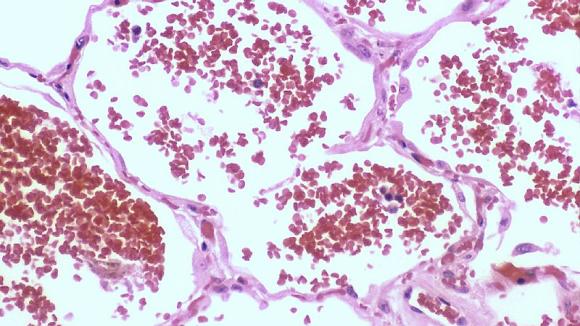
Metanalysis of patients with diffuse alveolar hemorrhage (DAH), show this to be a rare and life-threatening complication of systemic lupus erythematosus (SLE), that is more apt to affect older, severe lupus patients with active infection.
Annals of Internal Medicine reports treating advanced melanoma with immune checkpoint inhibitors (ICI) in patients with pre-existing autoimmune disease (AID) was as effective and safe in those with AID compared to those without AID, although severe colitis occurred more frequently among pati
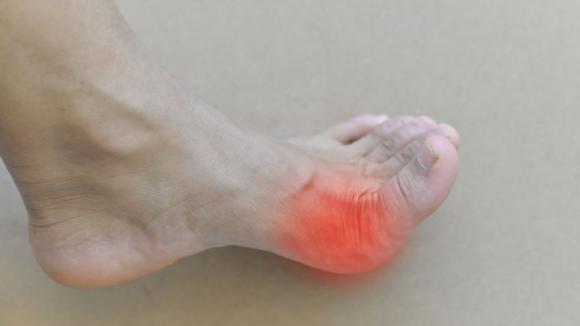
Botson et al has reported that the combination of methotrexate (MTX) and IV pegloticase is safe and effective in patients with uncontrolled gout.
This exploratory, open-label clinical trial screened 17 patients and treated 14 patients (all men, 49.3 ± 8.7 years) with IV pegloticase with MTX (15 mg/week) and folic acid (1 mg/day) 4 weeks prior to and throughout pegloticase treatment.