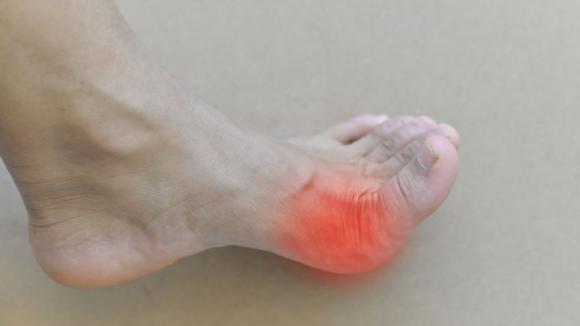
Pegloticase is indicated in the treatment of severe gout patients but prolonged use may be limited by immunogenicity to the PEG moiety. A randomized, controlled trial has shown that concomitant mycophenolate mofetil (MMF) may prolong the efficacy of pegloticase in gout.
All News
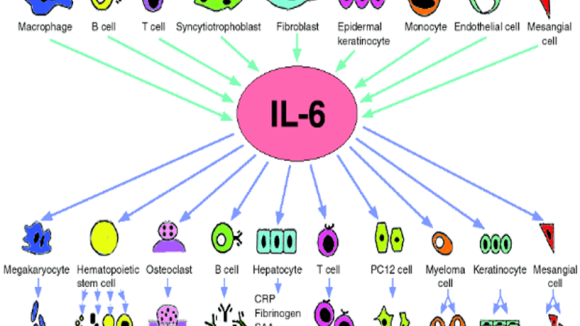
The pendulum and jury are wavering with regard to the benefits of interleukin-6 receptor antagonists in COVID-19; the current NEJM reports the results of a study favoring such biologic therapy in in critically ill COVID-19 patients.
Dr. Jack Cush reviews nearly a dozen news and journal reports from the past 2 weeks on RheumNow.com, including the ACR's new COVID-19 vaccine guidance for patients with rheumatic disease.
Botson et al has reported that the combination of methotrexate (MTX) and IV pegloticase is safe and effective in patients with uncontrolled gout.
This exploratory, open-label clinical trial screened 17 patients and treated 14 patients (all men, 49.3 ± 8.7 years) with IV pegloticase with MTX (15 mg/week) and folic acid (1 mg/day) 4 weeks prior to and throughout pegloticase treatment.
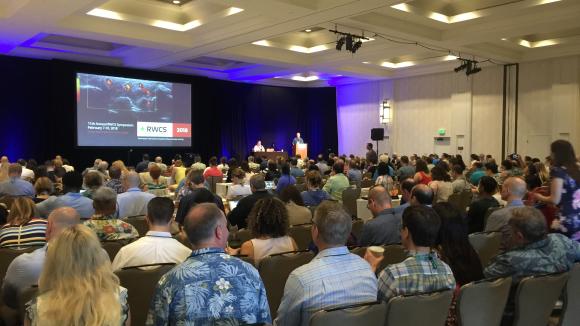
Day 3 report from the 2021 RWCS meeting in Maui (and virtually) includes pearls from the PsA 2020 Year in Review; fact vs. fiction on evidence based medicine: diet and rheumatic diseases; hot topics in allergy/immunology; and pediatric rheumatology highlights.
RNA sequencing and classification of RA subsets has proven useful. RNA sequencing-based stratification of RA synovial tissue showed stronger associations with clinical responses compared with histopathological classification. Additionally, for patients with low or absent B-cell lineage expression signature in synovial tissue, tocilizumab is more effective than rituximab.
Lancet Rheumatology has reported the results of a proof of concept trial, wherein vagal nerve stimulation was shown to ameliorate RA disease activity. The intervention involved non-invasive stimulation of the auricular branch of the vagus nerve using a wearable vagus nerve stimulation device for up to 30 min per day, delivering pulses of 20 kHz.
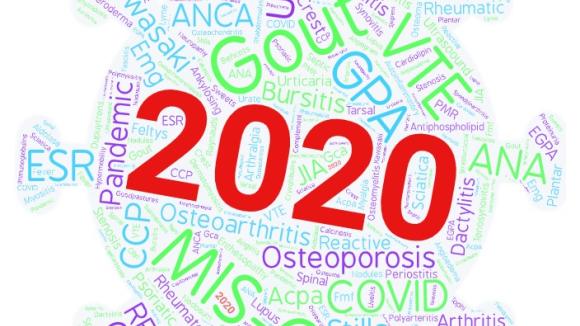
2020 was historic, memorable and game-changing. Under the cloud of COVID-19, there were many significant and memorable advances and setbacks for the rheumatology world. In our accounting of most read articles for 2020, (not surprisingly) 17/20 were COVID-related.
The ProDERM study design and outcomes are previewed in Medicine; and as promised the results were revealed at ACR Convergence in November 2020 showing that IVIg is safe, effective and superior to placebo i(PBO) in patients with dermatomyositis (DM).
A novel report from PNAS suggests that in osteoarthritis (OA), the damage is not entirely from body weight and mechanics, instead it may be from adipose tissue itself.
The American College of Rheumatology established a guidelines committee that consisted of both patients, rheumatologists and maternal-fetal health experts. After a a systematic review of the medical literature regarding contraception, assisted reproductive technology, fertility preservation, hormone replacement therapy pregnancy, lactation, and medication use in rheumatic disease patients, they published 12 good practice statements and 131 recommendations for reproductive health care in RMD patients.
After the successful completion of the BLISS-LN trial and previewing the results at EULAR 2020 and ACR Convergence, GlaxoSmithKline announced yesterday that the FDA has approved belimumab (Benlysta) for use in adults with active lupus nephritis (LN) receiving background/standard therapy.
Dr. Jeffrey Curtis examines abstracts #1997 and #0452 presented at the ACR 2020 annual meeting.