
Article
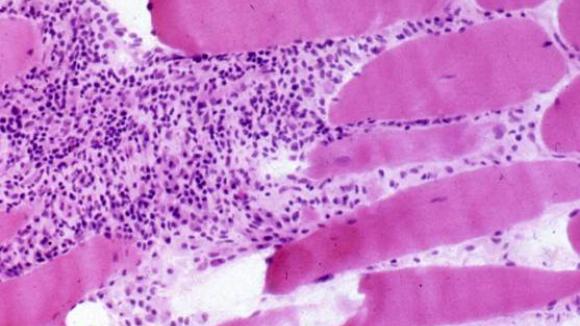
An Italian retrospective study of 411 idiopathic inflammatory myopathies (IIM) patients applied IMACS criteria to assess the risk of cancer and found significantly more cancers in those at high risk.

Search for Terms or Answers
An Italian retrospective study of 411 idiopathic inflammatory myopathies (IIM) patients applied IMACS criteria to assess the risk of cancer and found significantly more cancers in those at high risk.
Dr. Jack Cush reviews the news and journal reports from RheumNow.com this week - including his top four favorite subjects.
JAMA has published a current Clinical Guidelines Synopsis on the Management of Crohn Disease (CD) in Adults.

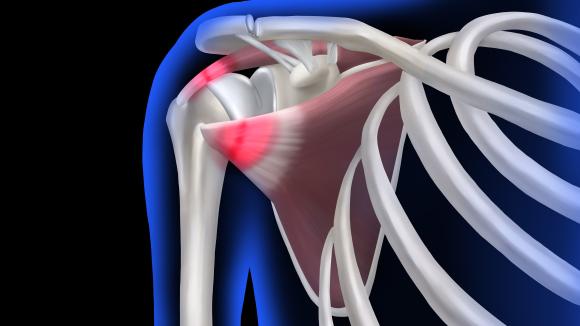
In this cross-sectional study of 602 Finnish adults undergoing bilateral shoulder magnetic resonance imaging (MRI) and clinical assessment, found abnormalities in nearly everyone over age 40yrs, regardless if asymptomatic or symptomatic.
Dr. Jack Cush reviews the news and major articles from this week, including FDA safety warnings, reports from AAD, PsA trials.
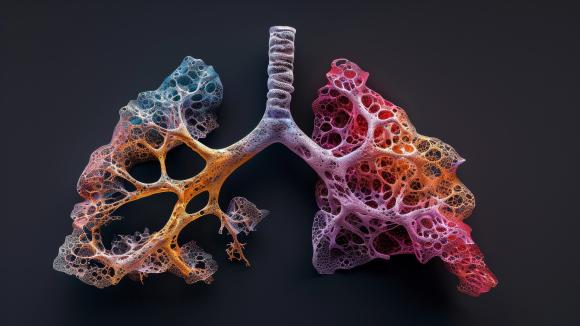
RA-ILD represents the most severe extra-articular manifestation of rheumatoid arthritis, affecting an estimated 1% of the adult population in the US and Northern Europe.
In RA, the goal is to control or arrest inflammation such that articular and bony damage is halted. While we have many effective therapies, it is not clear that biologic or targeted synthetic disease-modifying antirheumatic drugs (b/tsDMARDs) can prevent or improve osteoporosis outcomes in RA. A current real-world study showed that 1 year of b/tsDMARDs use did not arrest osteoporosis progression.
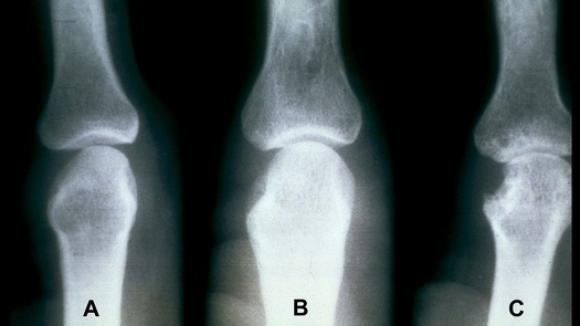
A report in The Lancet Diabetes & Endocrinology suggested that 3 months of romosozumab (ROMO) followed by denosumab is as effective at increasing hip bone mineral density (BMD) as the standard 12-month course.
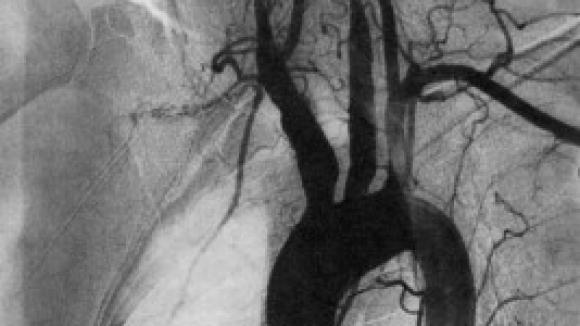
Giant-cell arteritis and Takayasu’s arteritis are both large-vessel vasculitides, but each brings its own diagnostic and management challenges. Many of the difficulties overlap because they are rare, heterogeneous, and lack perfect diagnostic tests or specific biomarkers.
“Orthopedics or rheumatology, who should I see?" A question, often asked with urgency, posed by those who genuinely don’t know who to see for a musculoskeletal (MSK) complaint. Inquiring patients, family, or other physicians may be one forum for such a request. Another occurs in the hospital and clinic when referrals for MSK issues can go in either direction. How would you guide such requests? And what would your answers be based on?





By downloading this material, I acknowledge that it may be used only for personal use and personal education and that I will accredit RheumNow.com as the source and owner of this material. Commercial use or mass reproduction of this material without permission from RheumNow (info@rheumnow.com) is prohibited.


