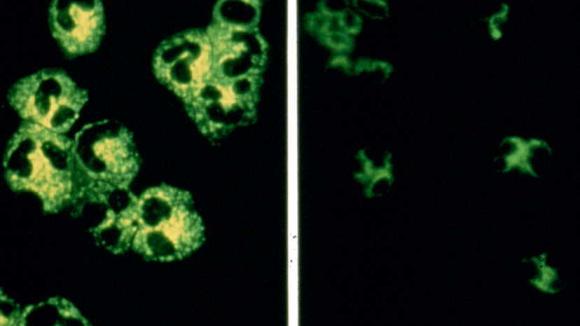
A multinational study of rheumatoid arthritis (RA) patients shows a variety of post-translationally modified anti-modified protein antibodies (AMPA). While AMPA differed in different ethnic populations, their levels correlated with total serum IgG.
All News
Bearing in mind that renal impairment is among the worst complications of ANCA-associated vasculitis (AAV), researchers have identified four different trajectories of kidney function over time in AAV patients, with implications for personalized treatment, as well as future research.
Dr. Jack Cush reviews the lastest journal articles, news, and FDA announcements from the past week on RheumNow. This week, the importance of IFNa, Subclinical PsA and NSAID safety during Pregnancy.
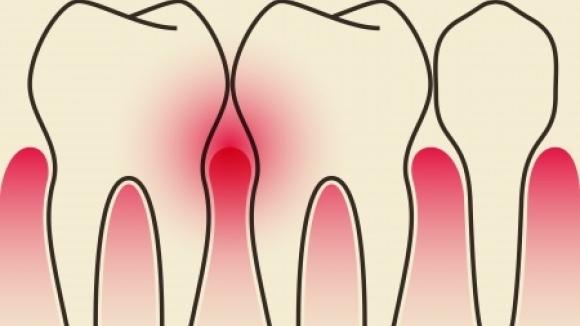
Periodontal disease (PD) is more common in rheumatoid arthritis (RA), especially those with anti-citrullinated protein antibodies (ACPAs). RA activity has been linked to the severity of PD and mucosal inflammation.
Dr. Jack Cush reviews the news and tries to stump the expert panel this week on the podcast.
Researchers at NYU College of Dentistry have developed a single score to describe the level of cytokines in the saliva, and this score is linked with the severity of clinical gum inflammation, according to a study
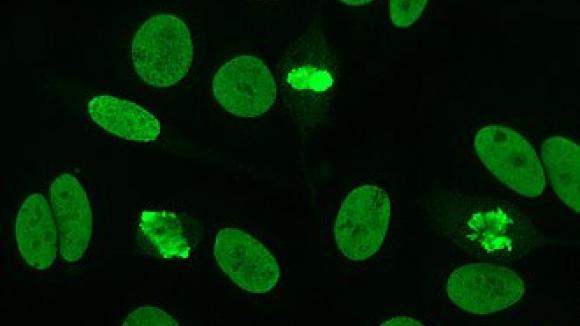
A new study suggests that use of ELISA assays for CXCL-10 and IFN-α can predict which ANA+ individuals may progress to developing a systemic autoimmune rheumatic disease (SARD).
Antibodies to peptides not currently used for rheumatoid arthritis (RA) diagnosis helped identify patients with untreated early disease that conventional biomarkers missed, researchers said.
Dr. Jack Cush reviews the past week of news on RheumNow.com.
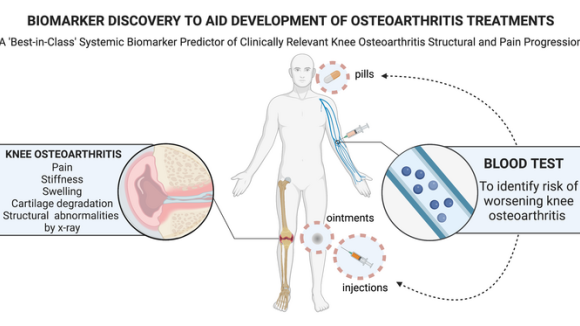
NIH funded researchers from Duke University have developed a set of serum proteomic biomarkers that successfully predict clinically relevant knee osteoarthritis (KOA) progression (both structural change and joint pain) over a 2 year period.
Blood Test Identifies Osteoarthritis Progression
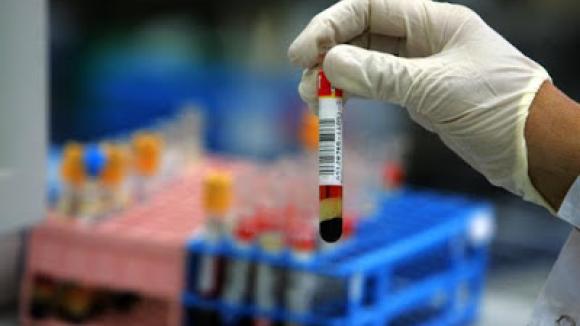
A new blood test that can identify progression of osteoarthritis in the knee is more accurate than current methods, providing an important tool to advance research and speed discovery of new therapies.
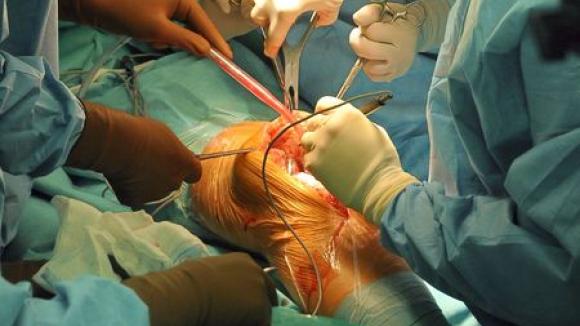
Recent NEJM has reviewed arthroplasty-associated infection and periprosthetic joint infections (PJI), noting this is a rare event; notably these infections are caused by skin microorganisms introduced during arthroplasty surgery or may be seeded post-surgically, via hematogenously spread or compromised local tissues (skin or bone).
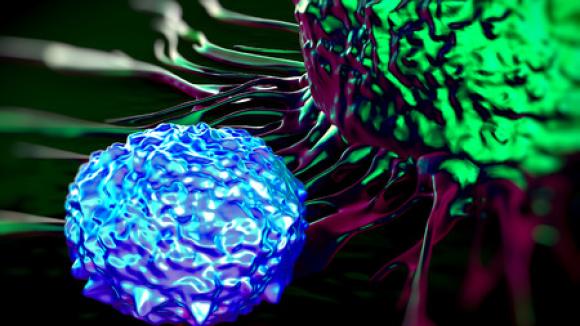
Certain T cells can secrete cytokines that are normally part of the innate immune system, as researchers from the Leibniz Institute for Natural Product Research and Infection Biology (Leibniz-HKI) and an international research team discovered.
Dr. Jack Cush reviews the best of 2022 in Rheumatology - highlights on new drug indications, breakthrough lupus therapies, new biosimilars and the multivitamin letdown.
2022 was a year of recovery, discovery, and some losses. While still dealing with the aftermath of COVID-19, rheumatologists were resilient as leaders for their patients and research in advancing rheumatologic care.
A study in the Annals of Internal Medicine reports chronic kidney disease (CKD) patients can be safely treated with allopurinol without an increased risk of mortality.
Osteoarthritis is a common chronic condition that usually causes joint pain and can be severe enough to require knee and hip replacements.
Substandard Therapy in Rheumatoid Arthritis
Clinicians could improve outcomes in their patients with rheumatoid arthritis (RA) by paying attention to certain markers of care quality, such as early referral to certified rheumatologists and prescribing standard drugs for RA, new research suggested.
ACR22 Convergence left us bountiful with information from all over the world. Here are a few of my personal highlights and key takeaways.