
Article
Rituximab (RTX) is a monoclonal antibody directed against the CD20 antigen on B cells and when administered causes a marked depletion of CD20+ B cells.

Search for Terms or Answers
Rituximab (RTX) is a monoclonal antibody directed against the CD20 antigen on B cells and when administered causes a marked depletion of CD20+ B cells.
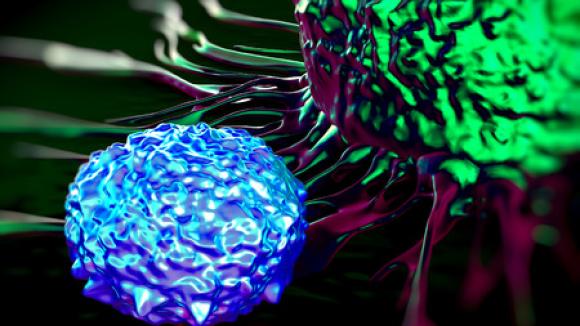
A possible mechanism behind the fibrosis that occurs in scleroderma has now been identified, a mechanism, researchers say, that may one day lead to a treatment for the disease.
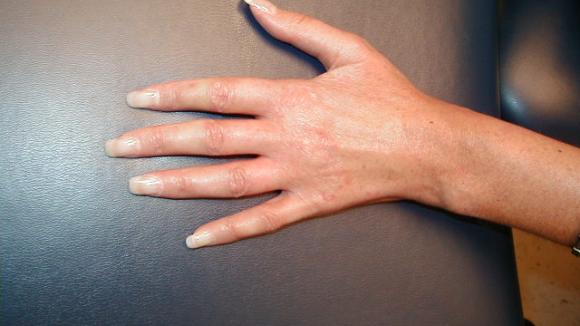
Serum antibodies precede the development of clinical rheumatoid arthritis (RAby) by many years, and yet we still have much to learn about this preclinical phase.

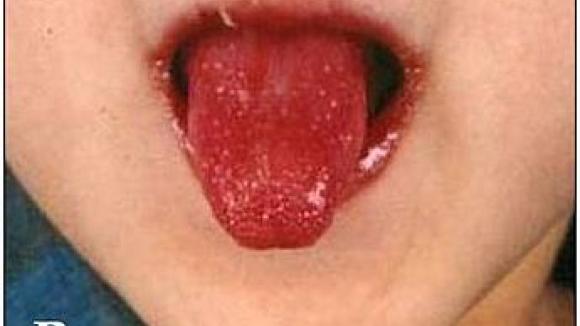
Researchers from the Toronto Hospital for Sick Children have published in the Journal of Immunology that a polymorphism in the inositol-triphosphate 3-kinase C (ITPKC) (rs28493229) is associated with the pathogenesis of Kawasaki's disease (KD).
The results of the Nor-Switch study were presented at the United European Gastroenterology annual congress this week demonstrating no significant difference in effect, adverse effects or antibody formation in patients switched from Remicade to the biosimilar infliximab (CT-P13, Remsima).

In this video, Michelle Petri, MD, director of the Hopkins Lupus Center at Johns Hopkins University, discusses recent successes and challenges in the treatment of systemic lupus erythematosus, with clinical trials results ranging from "wildly positive" to "completely negative."

Dr. Jack Cush reviews highlights from the journals and news this week on RheumNow.com.

Muscle involvement in immune-mediated necrotizing myopathy (IMNM) was more extensive compared with other inflammatory myopathies, according to a retrospective chart review.

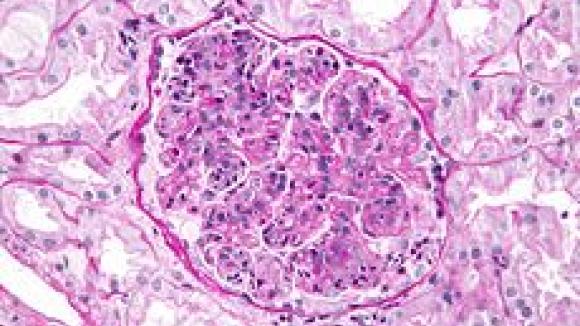
Singh and colleagues have published a systematic review and Bayesian network metaanalyses of clinical trials of immunosuppressive drugs and corticosteroids in patients with lupus nephriti.
Three new FDA approvals, proteomics, cancer, infectious risk, nonadherence and disappointing clinical trial results covered in this RheumNow Week in Review.
In the current issue of the NEJM, a Herpes zoster subunit vaccine was reported to be highly effective in adults - specifically in 2 studies (ZOE50 and ZOE70) targeting adults over age 50 and over age 70 years. (Citation source: http://buff.ly/2cMng17)

Although cardiovascular disease and complications have been well-described in patients with systemic lupus erythematosus (SLE), the association between SLE and heart failure (HF) remains undefined.

Patients with autoimmune inflammatory diseases who develop herpes zoster are at increased risk of stroke for the subsequent 3 months, with risks diminishing thereafter, analysis of Medicare data showed.
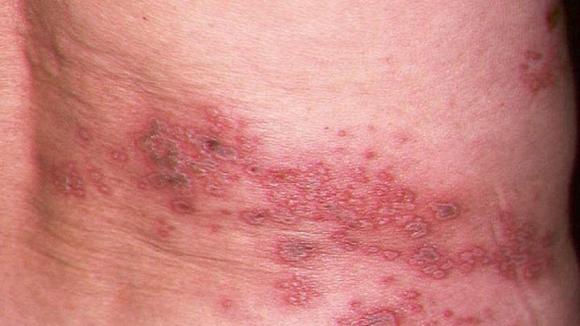
Periodontal disease, gingivitis and Porphyromonas gingivalis have been linked to the pathogenesis of rheumatoid arthritis (RA) and the production of anti-citrullinated protein antibodies (ACPA).
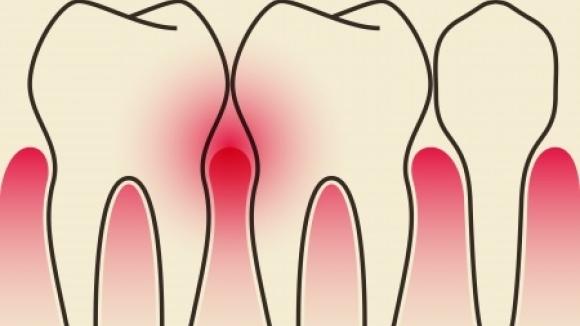
Researchers at the National Institutes of Health, led by Dr. Dan Kastner, have led the way in the discovery and understanding of numerous autoinflammatory diseases.

High mobility group box chromosomal protein 1 (HMGB1) is a DNA-binding protein that functions as a structural co-factor. HMGB1 is actively secreted by macrophage/monocytes via inflammatory stimuli and is elaborated during apoptosis.
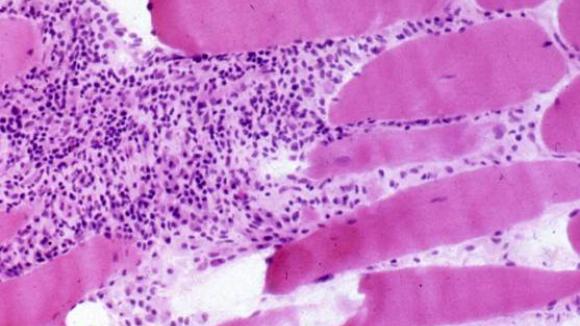
Myelodysplastic syndrome may infrequently present with inflammatory or autoimmune symptoms. This literature review shows a variety of presentations and treatment options for such patients.
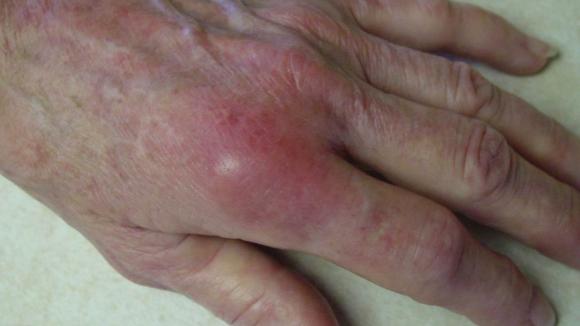
Watch Dr. Cush review 13 highlights from this week on RheumNow.
Circadian rhythms may be disrupted or become exaggerated in a variety of inflammatory conditions. For instance, interleukin-6 (IL-6) and IL-1 have a known circadian cycle to their production, but the same can not be said for TNF.

Infections are a concern for many when using tumor necrosis factor-α inhibitor (TNFi) therapy to treat inflammatory disorders. Even moreso in those at higher risk.
By downloading this material, I acknowledge that it may be used only for personal use and personal education and that I will accredit RheumNow.com as the source and owner of this material. Commercial use or mass reproduction of this material without permission from RheumNow (info@rheumnow.com) is prohibited.

