
Article
Annals of Rheumatic Disease has published a Danish population based study demonstrating the high mortality rates seen with interstitial lung disease (ILD).

Search for Terms or Answers
Annals of Rheumatic Disease has published a Danish population based study demonstrating the high mortality rates seen with interstitial lung disease (ILD).
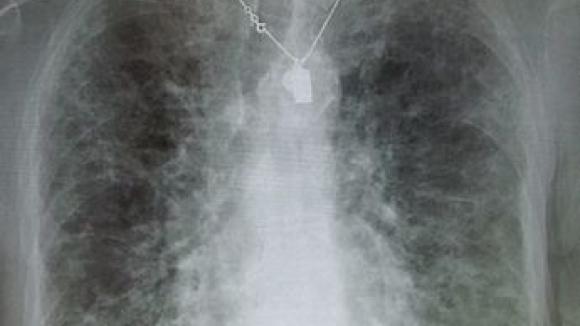
Infections and noninfectious pulmonary disease were associated with an increased risk for idiopathic inflammatory myopathies (IIM), a Swedish study found.
A large multi-center study of cardiovascular (CV) risk factors in rheumatoid arthritis (RA) has shown, after nearly 6 years follow-up, more CV events in males than females (21% vs. 11%, respectively) and that RA itself accounts for 30% of the attributable CV risk.

Noe and colleagues have reported in the Journal of Investigative Dermatology that by estimating the extent of skin involvement in psoriasis (%BSA) they may assess future mortality risk.
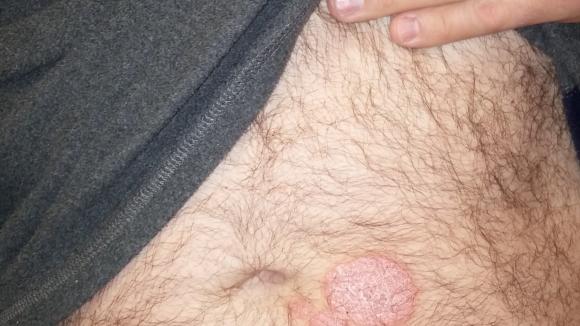
The CANTOS trial has shown that interleukin 1β inhibition by Canakinumab (CAN) resulted not only in a reduction of cardiovascular deaths but also significantly decreased the incidence and death from lung cancer.

The results of a randomized, double-blind trial have shown that canakinumab (CAN), an interleukin-1β inhibitor, given as 150 mg every 3 months, resulted in a significantly lower rate of recurrent cardiovascular events (in high-risk CV patients), independent of lipid-level lowering. The results of the CANTOS studywere simultaneously published in NEJM, Lancet and were presented at the European Society of Cardiology meeting in Barcelona.

Studies have shown that rheumatoid arthritis (RA) patients have increased risk of acute coronary syndrome (ACS) and may suffer from poorer short-term outcomes after ACS. The long-term outcomes in patients with RA with ACS was shown to be worse than matched non-RA patients also with ACS.
A population-based cohort study shows that comorbidities in psoriatic arthritis patients (PsA) were associated with higher disease activity, shorter persistence and reduced clinical response to TNF inhibitors (TNFi).

Dr. Jack Cush reviews new FDA decisions on sirukumab and tofacitinib as well as other news items from the past week on RheumNow.com.
On Wednesday, August 2, the FDA convened the Arthritis Advisory Committee (AAC) to evaluate the safety and efficacy of Janssen’s anti-IL-6 monoclonal antibody, sirukumab.

Comorbidity is a serious consequence or confounder in patients with inflammatory diseases. This has been well described in both psoriatic and rheumatoid disease.
Dr. Jack Cush reviews the news and articles from the past week on RheumNow.com:
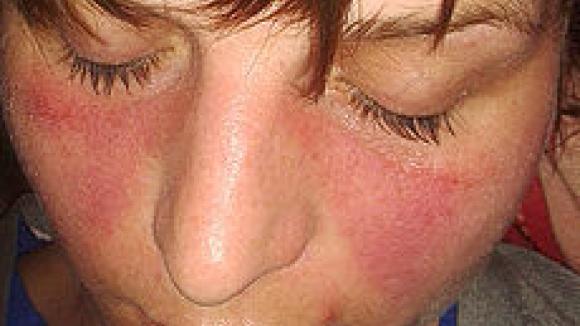
Systemic lupus erythematosus (SLE) poses numerous vascular risks, many of which are thought to be autoantibody mediated.
It does not come as a surprise to anyone anymore that Acute Coronary Syndrome (ACS) is one of the major causes of morbidity and preterm mortality in RA. What we don’t know is what measures need to be taken to modify the risk and how effective such measures are.
Systemic lupus erythematosus (SLE) is associated with an increased risk of cardiovascular disease (CVD). The cardioprotective benefits of aspirin (ASA) are well known and the ancillary CV and diabetogenic effects of hydroxychloroquine (HCQ) have also been shown.

Systemic inflammation (from underling inflammatory polyarthritis) clearly accelerates atherosclerosis with a resultant increase risk of cardiovascular disease.
Acute diffuse lung infiltration in patients with systemic lupus erythematosus (SLE) requires prompt evaluation for diffuse alveolar hemorrhage (DAH) when patients have low levels of hemoglobin and complement compound C4 and symptoms of hypoxia.
Dr. Jack Cush Reviews highlights from the past week on RheumNow.com:
The NEJM reports success when using mepolizumab (anti-IL-5 monoclonal antibody) in a 52 week study of patients with eosinophilic granulomatosis with polyangiitis (EGPA).
Reuters reports that FDA approval of romosozumab (brand name Evenity) may be held up because of higher rates of cardiac events seen in a late-stage clinical trial.

By downloading this material, I acknowledge that it may be used only for personal use and personal education and that I will accredit RheumNow.com as the source and owner of this material. Commercial use or mass reproduction of this material without permission from RheumNow (info@rheumnow.com) is prohibited.

