

All News
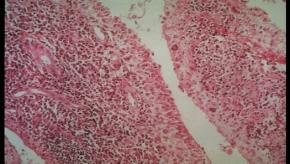
Might Synovial Biopsy Predict Rheumatoid Treatment Responses?
EurekAlert!
Multi-modal analysis of rheumatoid arthritis (RA) synovitis pathotypes enables more accurate choices of first line cDMARDs treatment, suggesting a predictive value to synovial biopsy.
Read Article
Matters of the heart: cardiovascular disease and mortality in RA
Two large retrospective cohort studies presented by the team at Mayo Clinic, Rochester MN examine the burden of stroke, as well as overall and cause-specific mortality in people with RA (POS0591 and POS0592).
Read Article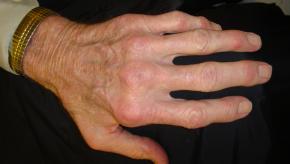
EULAR 2024 – Day 2 Report (A Difficult RA Day)
Day 2 at EULAR 2024 was a big poster day for many with several good sessions and oral presentations on Preventing RA, new vasculitis therapies and a session devoted to the 50th anniversary of the Moll & Wright Criteria.
Read Article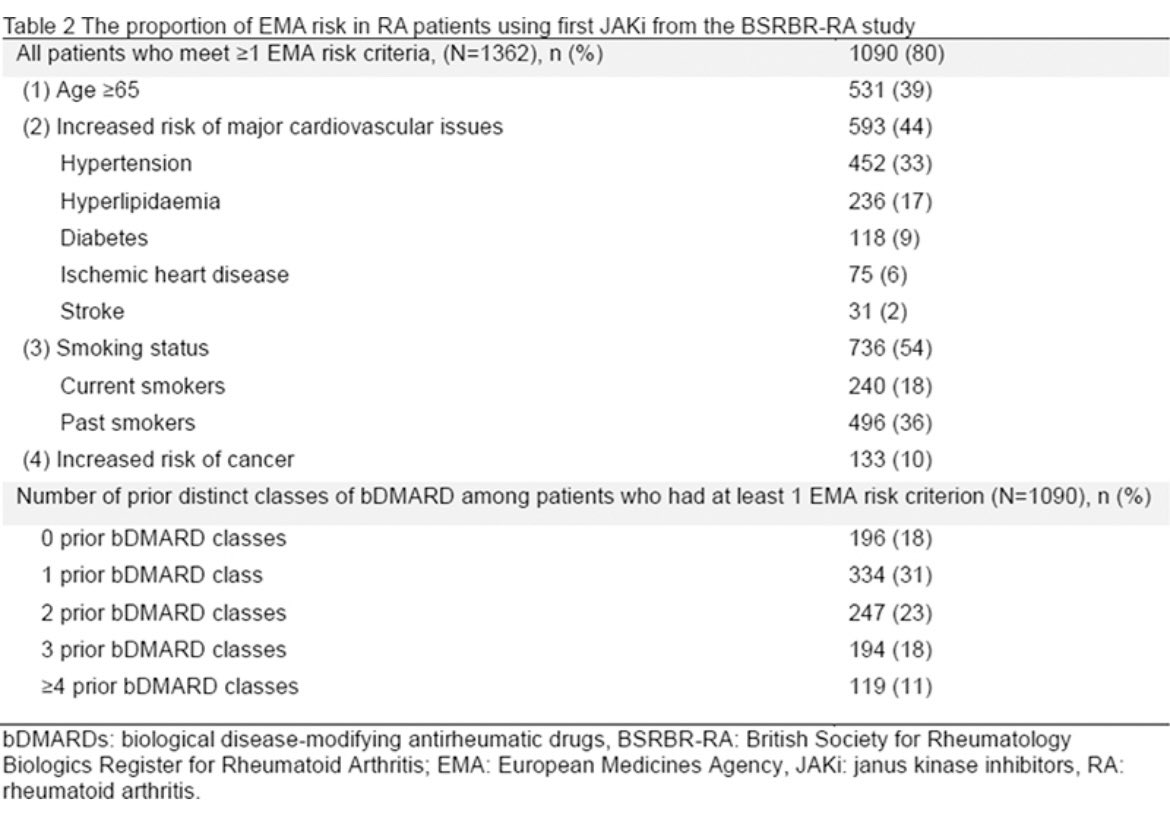
#EULAR2024 POS0390 What impact of regulatory warning on JAK-i on access to therapy? Data from UK BSSR-BR reported 4 in 5 #RA patients would have been considered ‘high-risk’. Of these, 28% had failed ≥3 biologics; so no suitable alternatives. Enormously impacted @RheumNow https://t.co/XeS9qHXSpH
Md Yuzaiful Md Yusof Yuz6Yusof ( View Tweet)
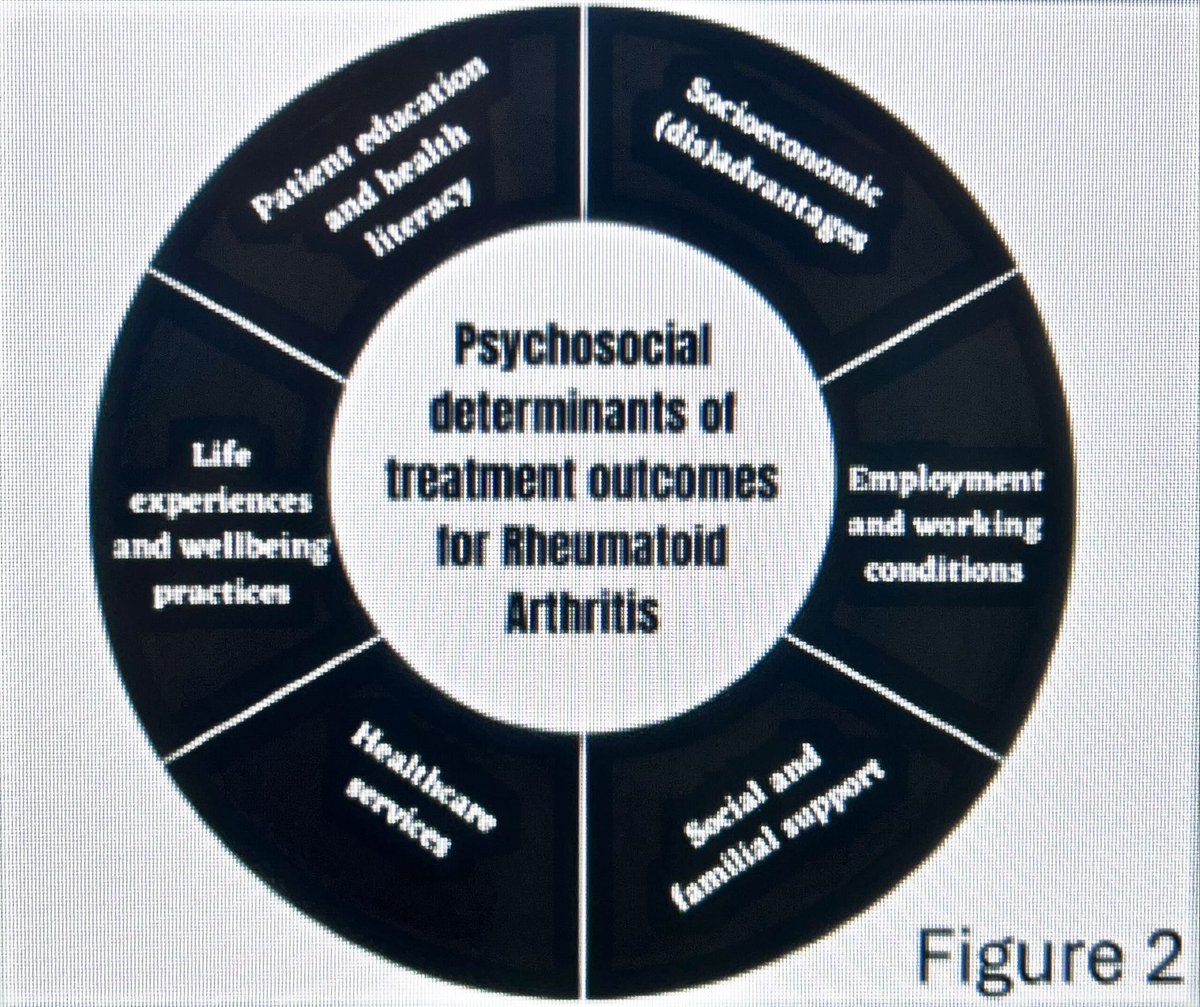
What psychosocial factors drive treatment outcomes and disease activity for people living with rheumatoid arthritis?
#EULAR2024 POS0309-PARE @DrMiniDey @ElenaNikiUK @RheumNow https://t.co/q0tTLSL044
David Liew drdavidliew ( View Tweet)
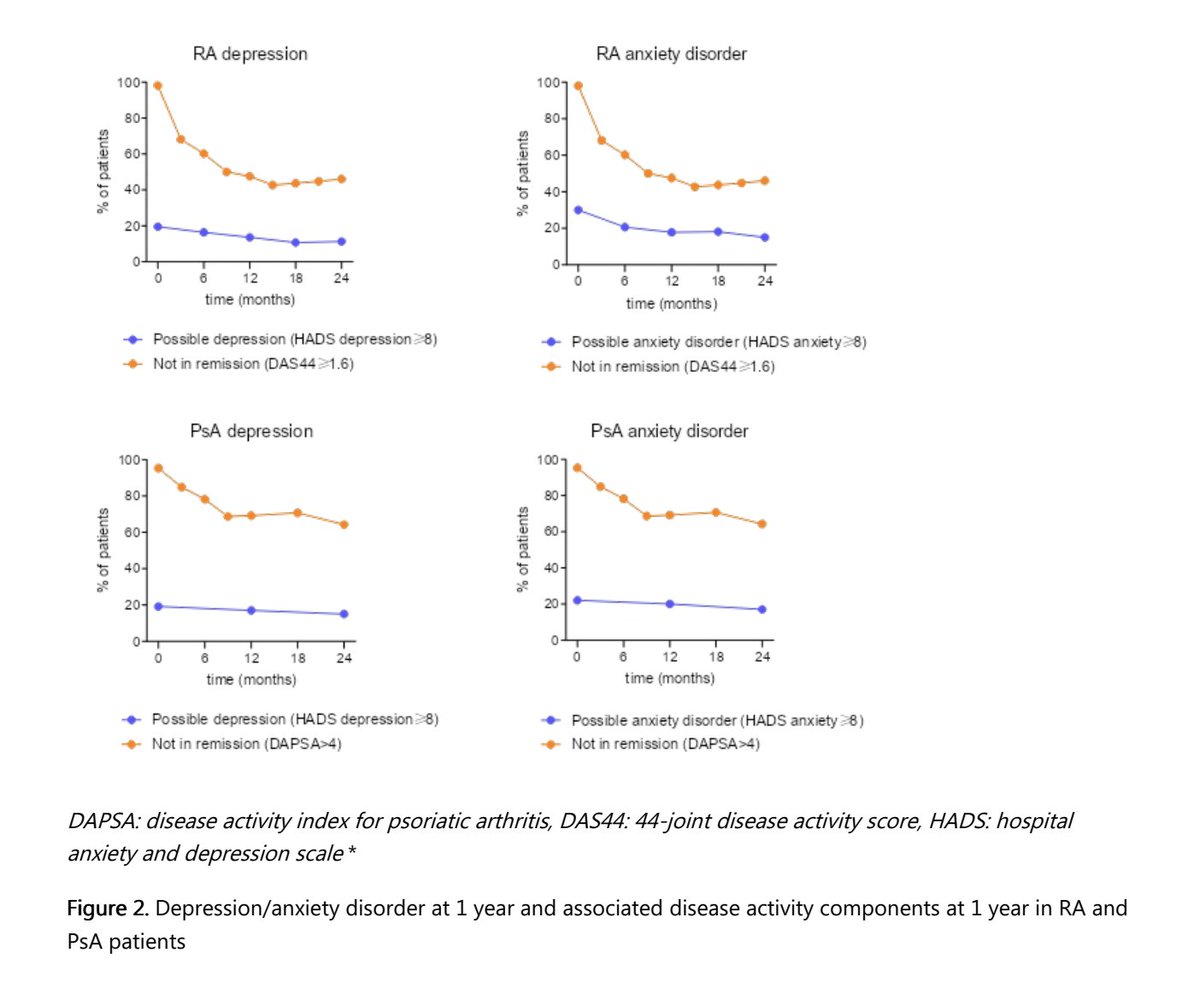
Do we give enough attention to pts mental health?
2 cohort 400+ RA tREACH & DEPAR 500+ PsA
RA 20% depression 30% anxiety
PsA 19% depression 22% anxiety
2 yrs no remission
RA OR 2.5 depression OR 1.7 anxiety
PsA OR 6.10 depression OR 4.67 anxiety
@RheumNow #EULAR2024 POS0946 https://t.co/ok4HRNJqgY
Aurelie Najm AurelieRheumo ( View Tweet)
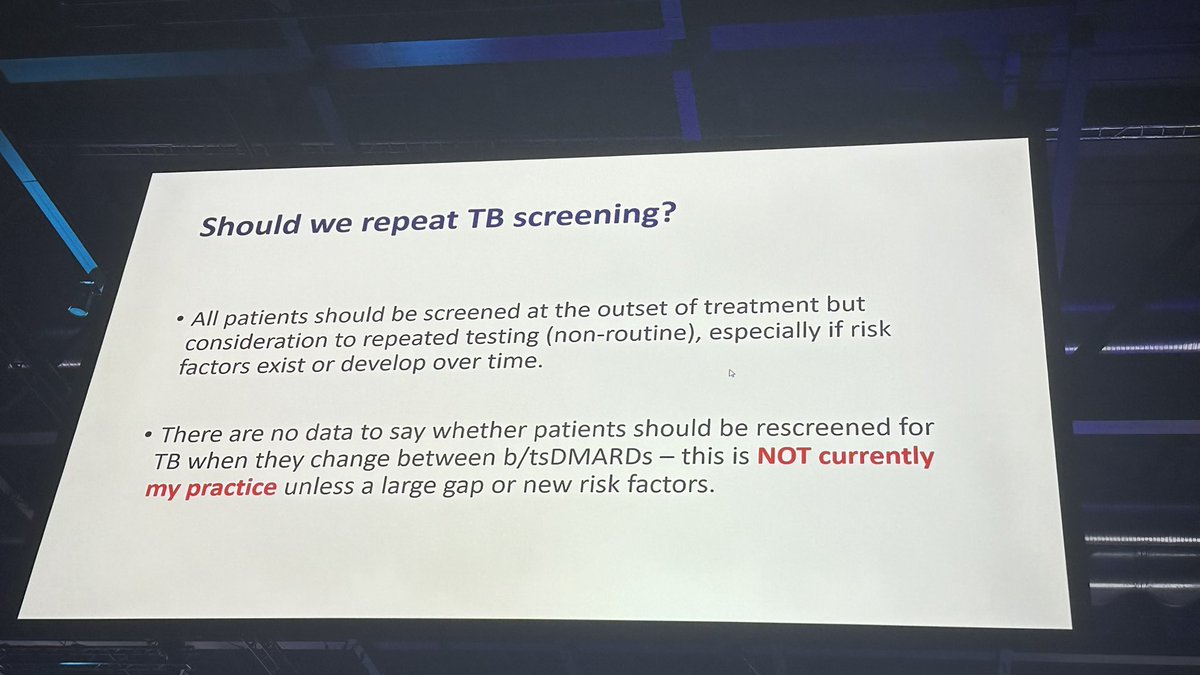
#opportunistic inf in #autoimmune dz
🎤 @khyrich
👉#herpes zost is ⬆️⬆️,esp😳#lupus (💉 >18yo🇺🇸)
👉#HBV react ⬆️⬆️ w/ RTX (9.1%) >>TNFi, JAKi, IL-6
👉 🙅♂️ #TB repeat 🧪 on #DMARD if 🚫new risk fact/gap⚠️
🔗#eular 2022 guide:
https://t.co/PIpGpTrH28
#eular2024
#rheumx
@RheumNow https://t.co/kouXvradiC
Links:
- https://ard.bmj.com/content/annrheumdis/82/6/742.full.pdf
- https://twitter.com/AMinalyan/status/1801606024576565284/photo/1
- https://twitter.com/AMinalyan/status/1801606024576565284/photo/1
- https://twitter.com/AMinalyan/status/1801606024576565284/photo/1
- https://twitter.com/AMinalyan/status/1801606024576565284/photo/1
Artem Minalyan, MD, DABOM AMinalyan ( View Tweet)
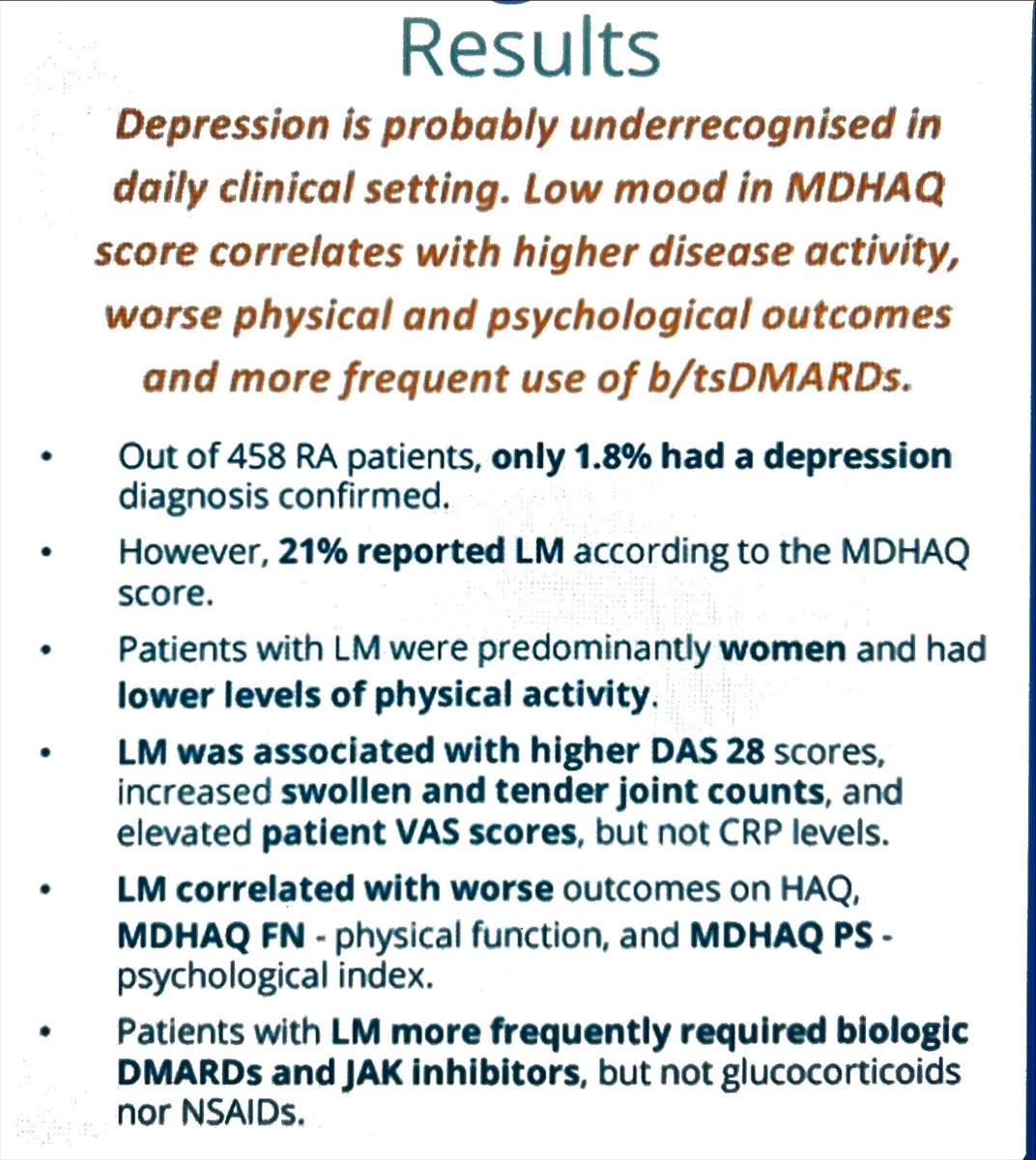
How good are we at picking up depressing in RA patients?
In this Polish registry:
- 1.8% had a depression diagnosis
- 21% had low mood on HAQ
& depression has real correlates with disease activity.
Plenty to think about with truly holistic RA care!
#EULAR2024 POS1045 @RheumNow https://t.co/ZNbMVo8TGk
David Liew drdavidliew ( View Tweet)
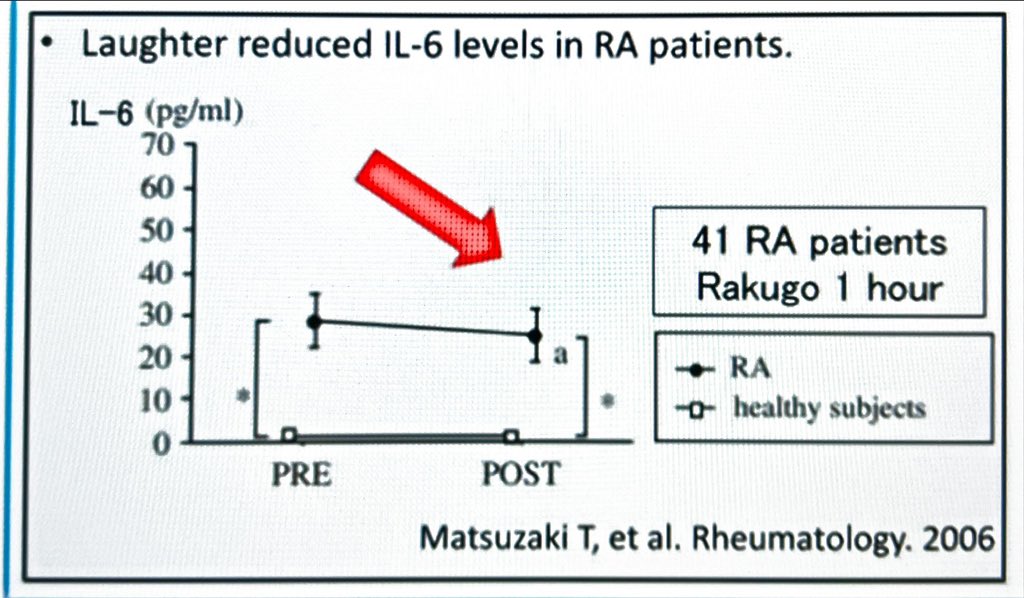
Bold conclusion from Japan:
laughter improves function in RA.
I like it
Feel like it might be partially a correlation/causation link but if an hour of laughter can push down IL-6 levels in RA patients, time for reimbursement for stand up comedy?
#EULAR2024 POS1029 @RheumNow https://t.co/EpHnX50PgF
Links:
David Liew drdavidliew ( View Tweet)
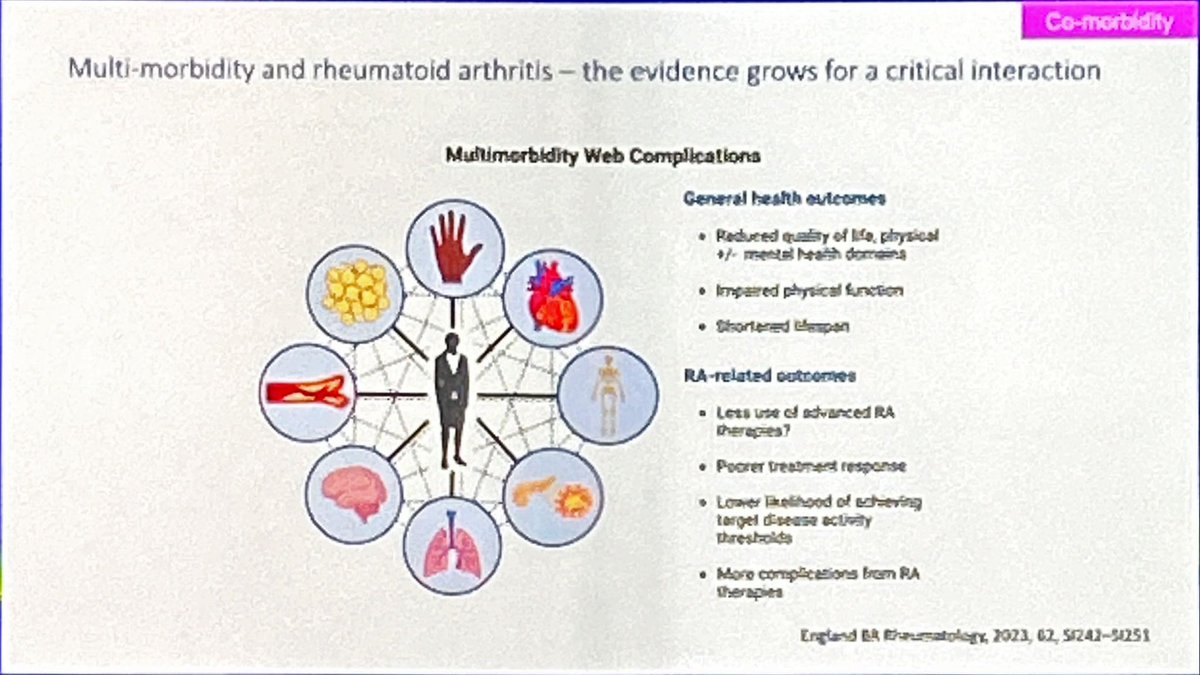
Look out for multimorbidity in rheumatoid arthritis. McInnes I #EULAR2024 @RheumNow https://t.co/kgshkNcyLn
Dr. Antoni Chan synovialjoints ( View Tweet)
#EULAR2024 Please find our Day 1 & Day 2 Recap of selective abstracts/research presented at the conference 😃@RheumNow @DrMiniDey
https://t.co/AHl18gS7gF https://t.co/LEoa9rBNly
Links:
Md Yuzaiful Md Yusof Yuz6Yusof ( View Tweet)

OP0162 looks at mortality in 21277 seropositive and seronegative #RA
5-year mortality risk in both groups decreased over time but is higher in seropositive vs negative
Sex-specific analysis reveals serological status in women did not affect mortality risk
@RheumNow #EULAR2024
Mrinalini Dey DrMiniDey ( View Tweet)
➡️OP0127- Can we predict who will get persistently active disease in people with palindromic rheumatism (PR)?
📊Cohort of 161 PR
❗️Predictive factors: Female gender, CCP, RF, >40yo, smoking & interval between flares of <1m ➡️ may be used to risk stratify
@RheumNow #EULAR2024
Mrinalini Dey DrMiniDey ( View Tweet)
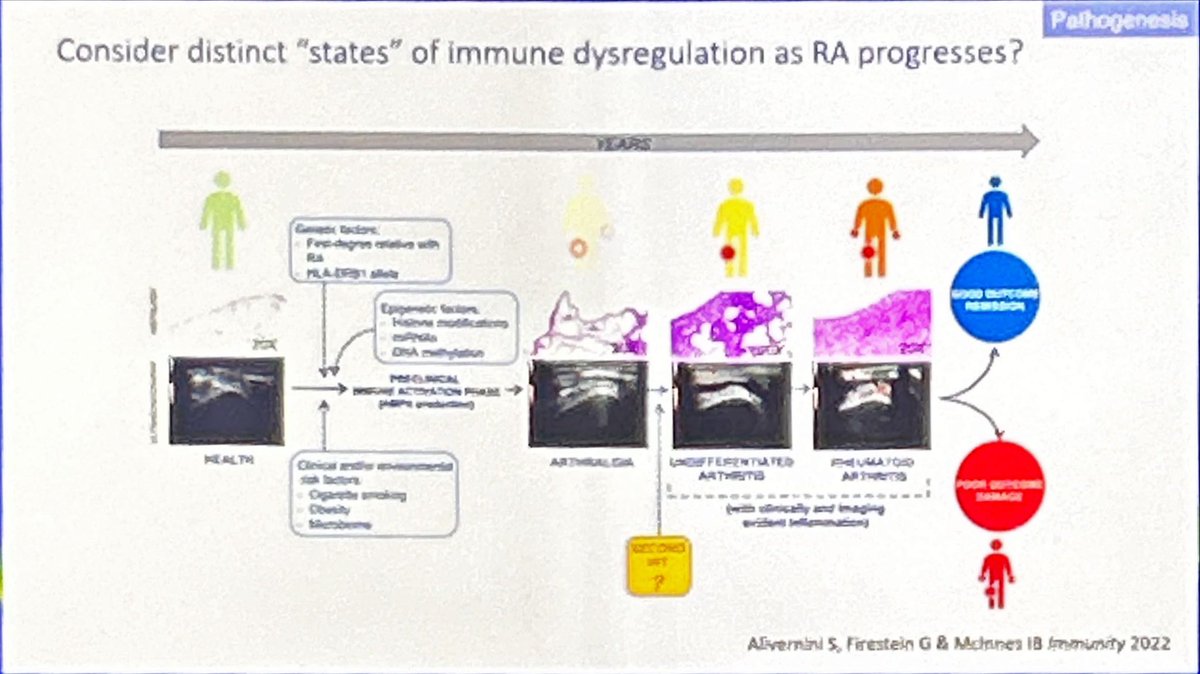
Différent stages of RA with disease progression. McInnes M #EULAR2024 @RheumNow https://t.co/iKpggGYU0k
Dr. Antoni Chan synovialjoints ( View Tweet)
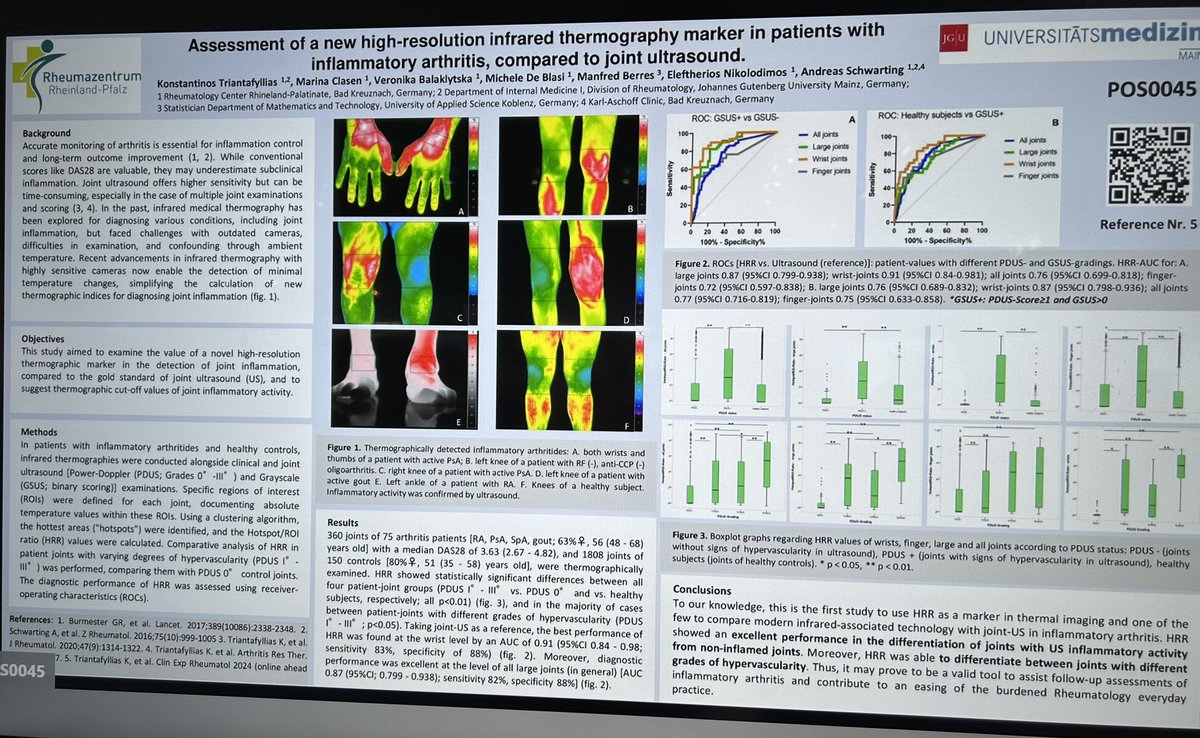
This can be coming to a clinic near you. Hotspot/ROI ratio (HRR) values from high-resolution thermographic marker in the detection of joint inflammation, compared to joint ultrasound showed excellent performance in the differentiation of joints with US inflammatory activity from… https://t.co/1unRxxgHAd https://t.co/tOPDSxzvwB
Links:
Dr. Antoni Chan synovialjoints ( View Tweet)
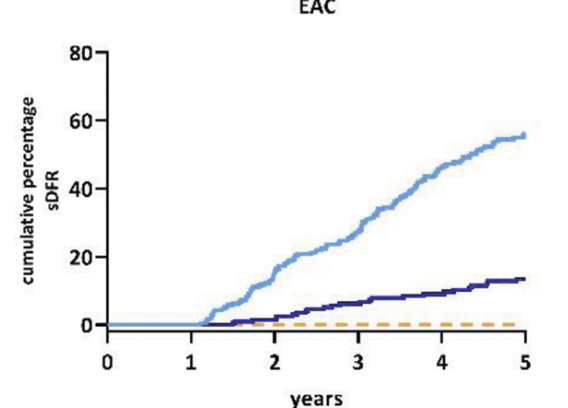
Greatest chance of sustained drug-free remission (DFR) is seen in early RA pts, NEVER requiring a biologic (esp if seronegative blue line). ERA on biologics never achieve DFR (yellow). Leiden EAC clinic study of 627 ERA pts Abstr# POS0615 #EULAR2024 https://t.co/zpCG6oSE3T
Dr. John Cush RheumNow ( View Tweet)
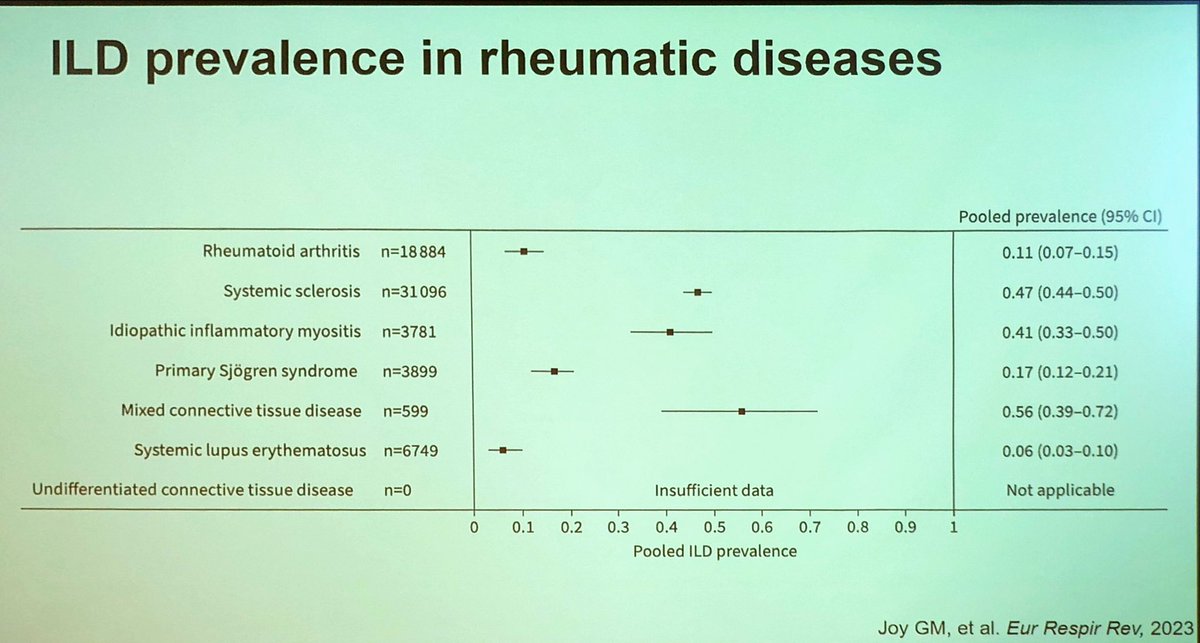
#SARD #ILD
Who to screen for #rheumatic #diseases
For
ILD
#ACR guidelines
Screening May also depend on ILD prevalence
Not sure if frequency of screening and how to screen
@jeffsparks #ORA24 @ORAexec https://t.co/BcyyYLKvr6
Links:
Janet Pope Janetbirdope ( View Tweet)
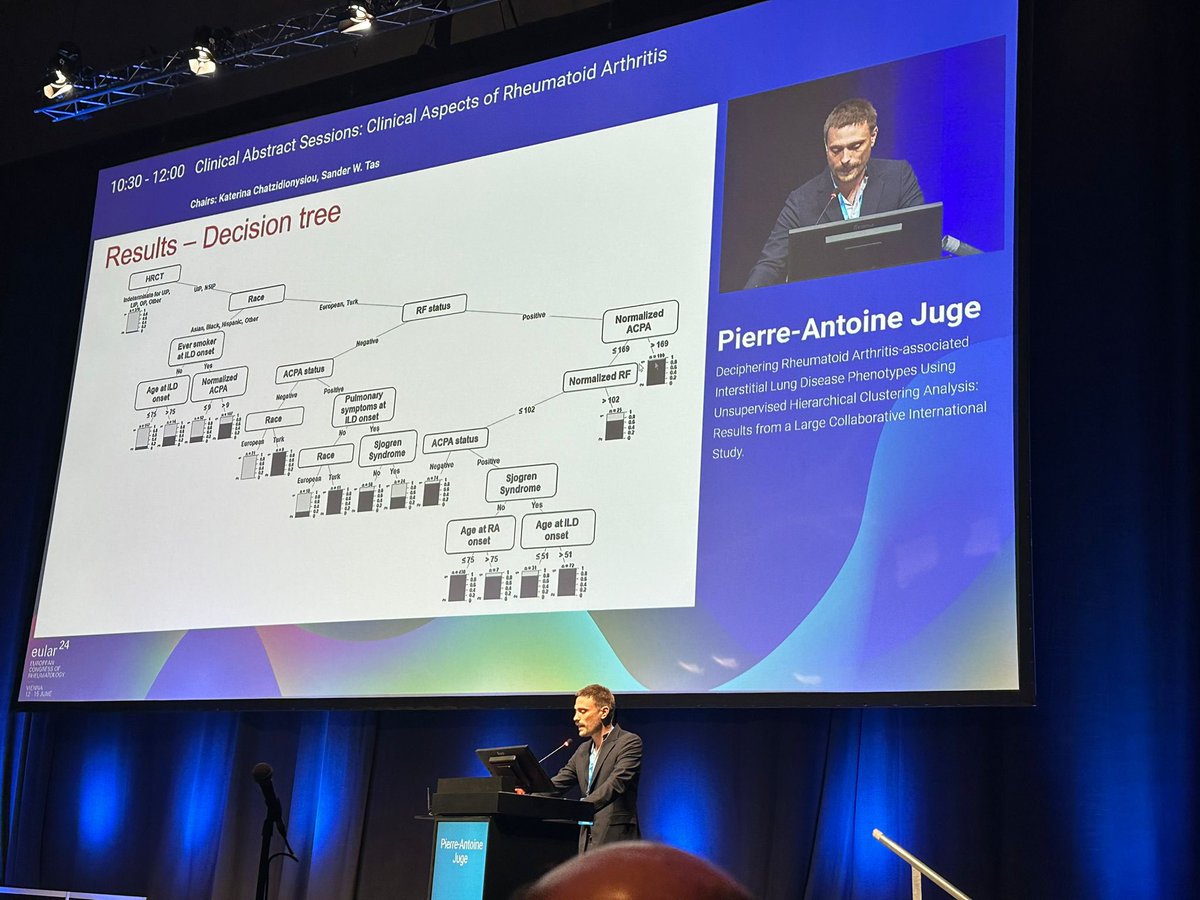
Oral presentation at #EULAR2024 about clustering #RA #ILD 🫁 @PhilippeDieude @jeffsparks @RaphaelBorie @bruno_crestani https://t.co/jz1unKIZmN
PA Juge Juge_P_A ( View Tweet)
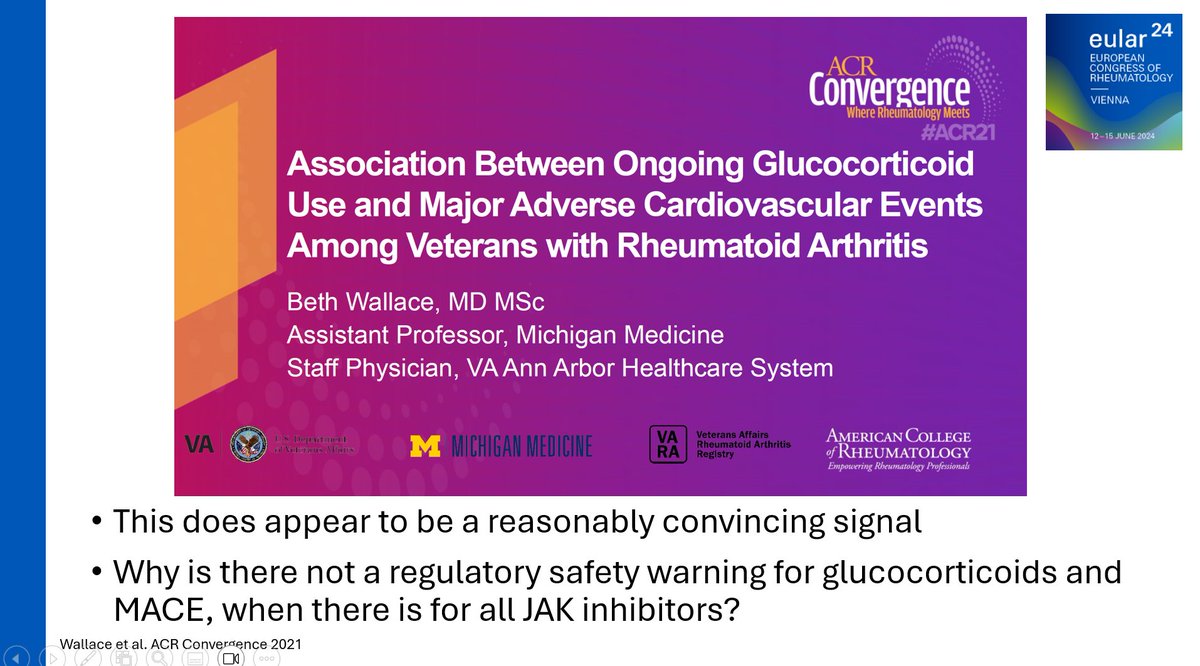
I was allocated to bring down the warning, & I did apologise up front to both the EMA and Janet #EULAR2024. It's a tough gig regulating impactful medicines with risk-benefit, especially when our world is full of other medicines with risk-benefit trade-offs (like prednisolone). 2/ https://t.co/6YPhYHbhg8
Links:
David Liew drdavidliew ( View Tweet)
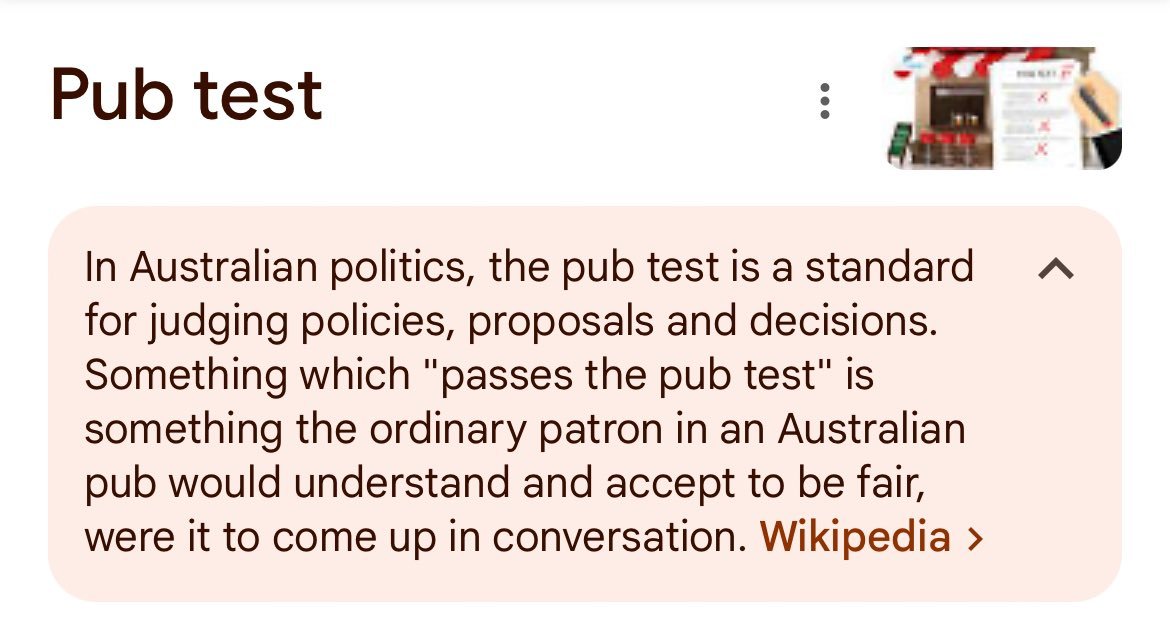
So how do we get from slightly increased numbers of uncommon events in a single study (ORAL Surveillance)?
Regulators think differently to us, which partly is the difficulty of a restrictive warning.
So being the Aussie I am, I asked - does it pass the 'pub test'? 4/ #EULAR2024 https://t.co/Ih9H87wH22
Links:
David Liew drdavidliew ( View Tweet)

