
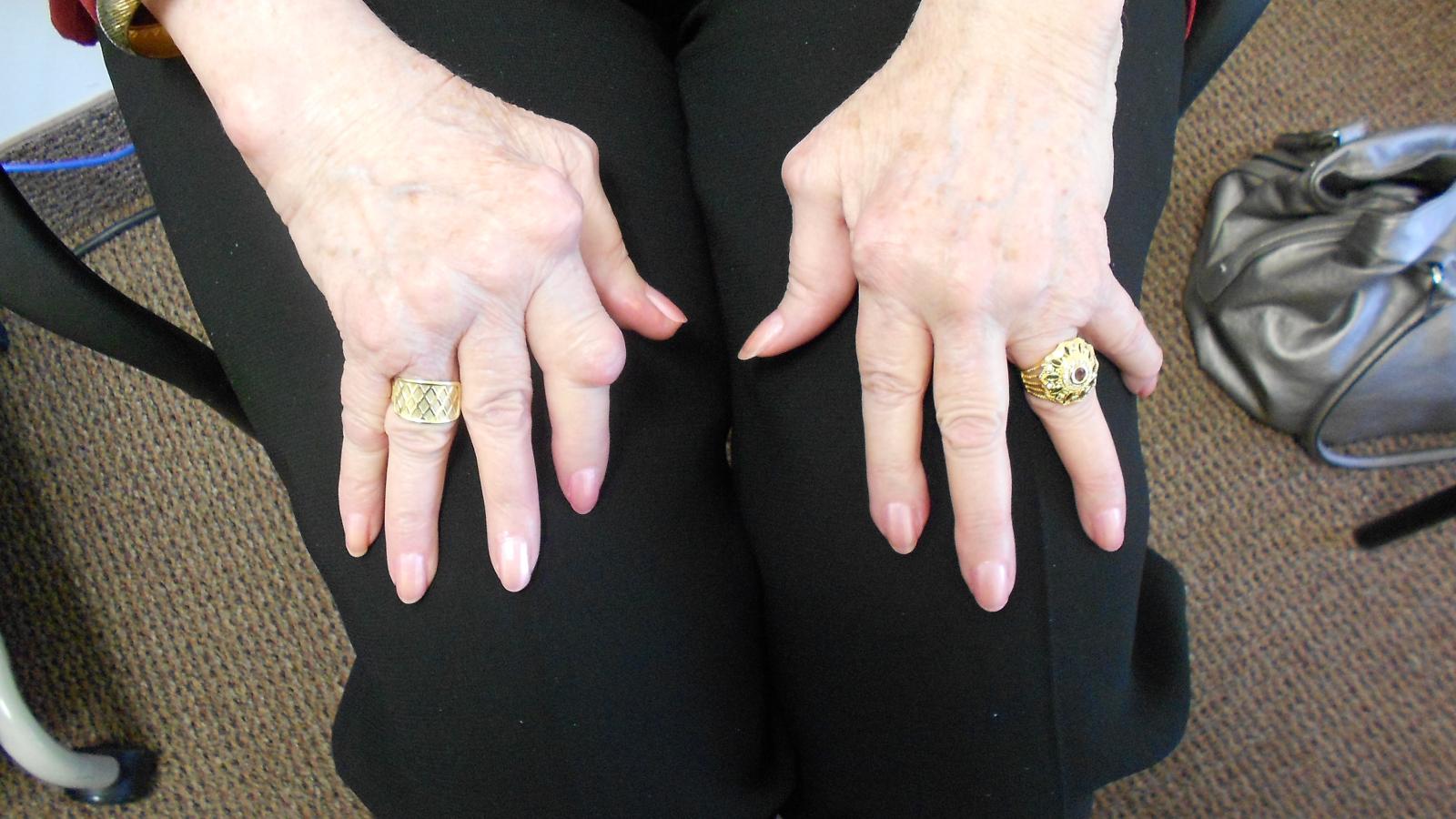
Peresolimab is a humanized IgG1 monoclonal antibody that acts as a programmed cell death protein 1 (PD-1) agonist (stimulator). The NEJM reports that PER met its efficacy primary endpont in treating patients with active rheumatoid arthritis (RA).
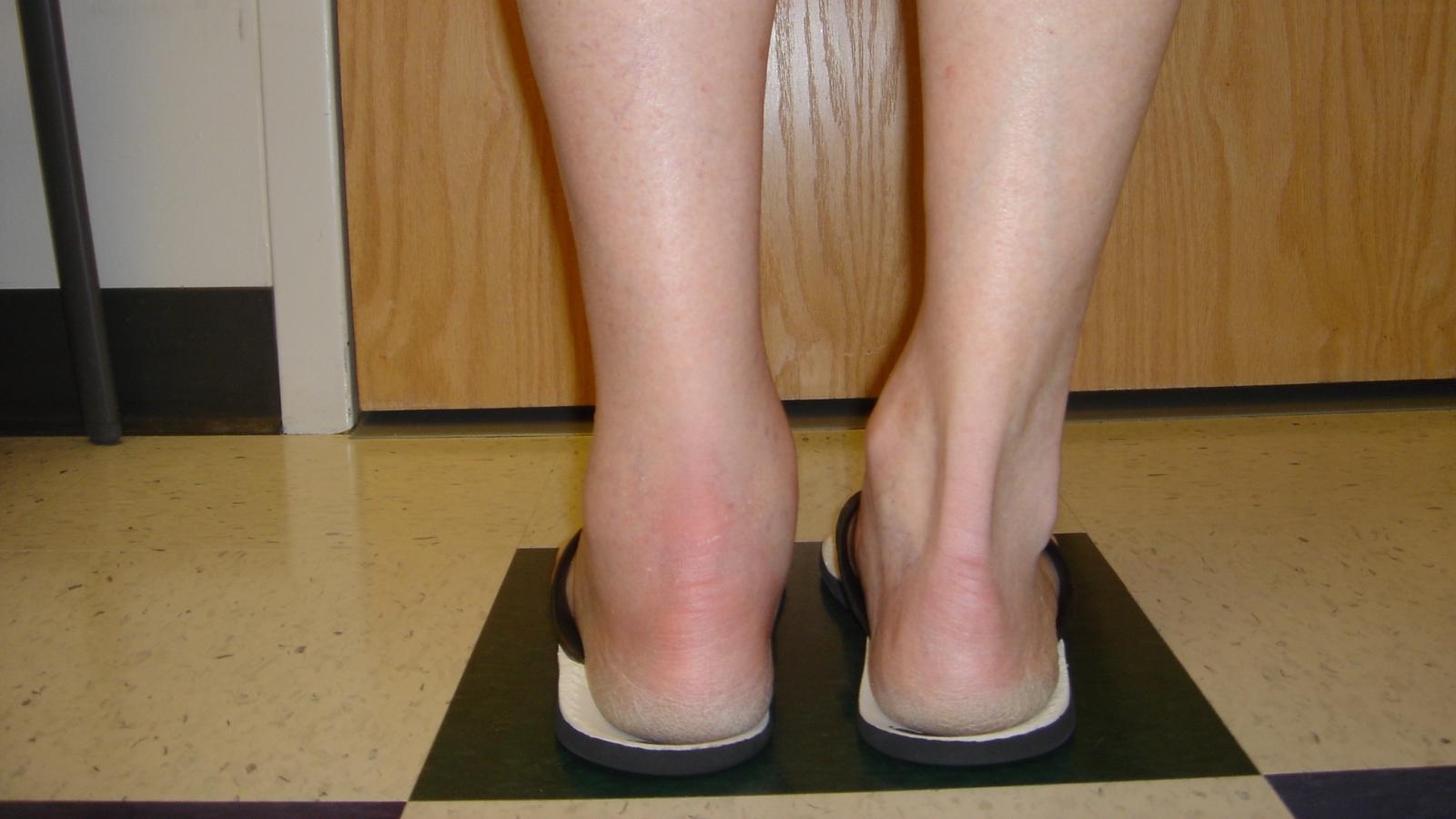
A new MSK syndrome of inflammatory enthesitis/arthritis/tenosynovitis has been described in atopic dermatitis (AD) patients treated with the IL-4 receptor antagonist, dupilumab.
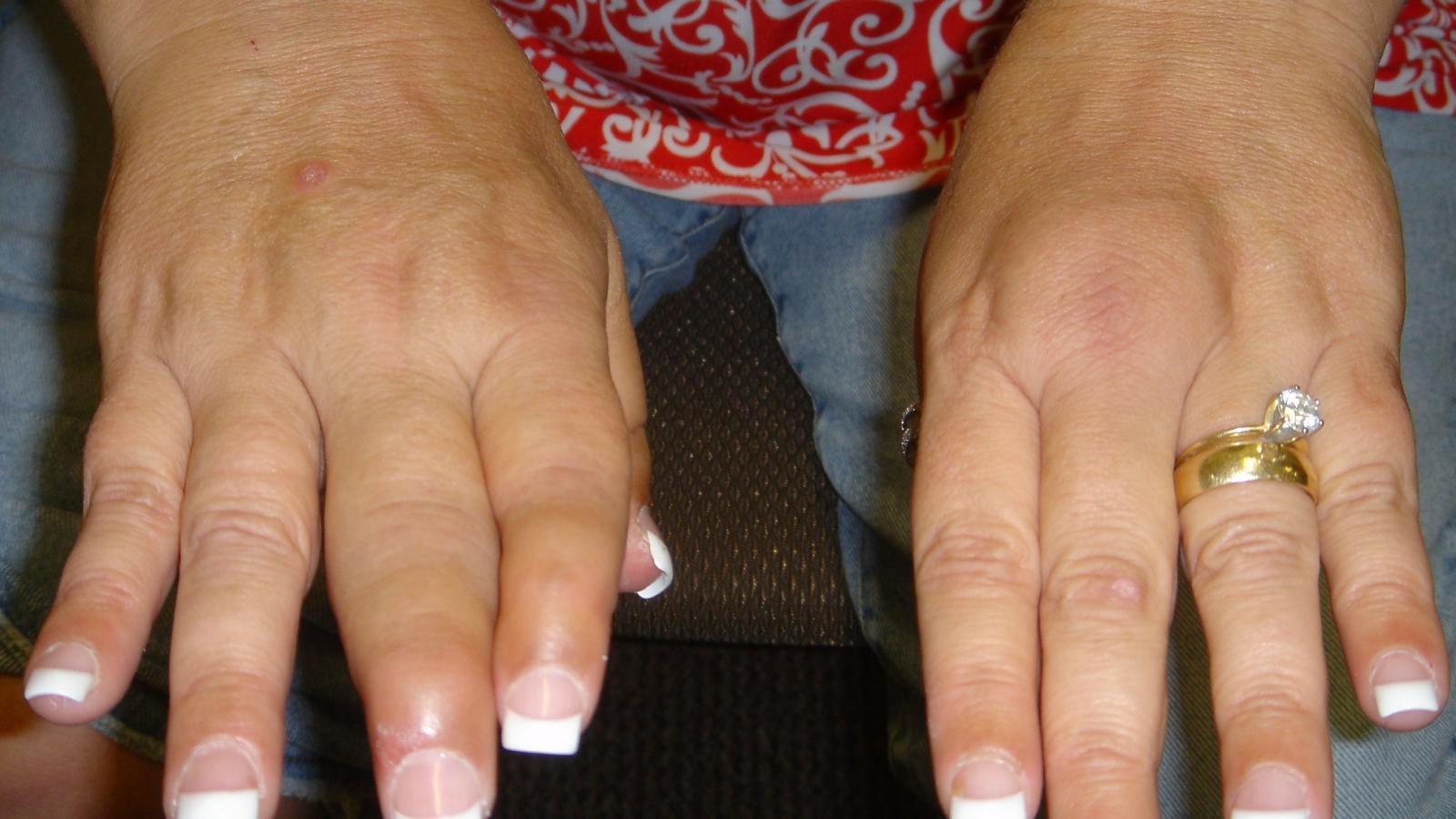
Brepocitinib is a novel tyrosine kinase 2/Janus kinase 1 inhibitor and has been studied in patients with moderately-to-severely active psoriatic arthritis (PsA), showing impressive efficacy at both 16 weeks and 52 weeks.
Brepocitinib is an oral, selective Tyk2/JAK1 inhibitor with both immunomodulatory and anti-inflammatory activities and is being studied in dermatomyositis, SLE and PsA.
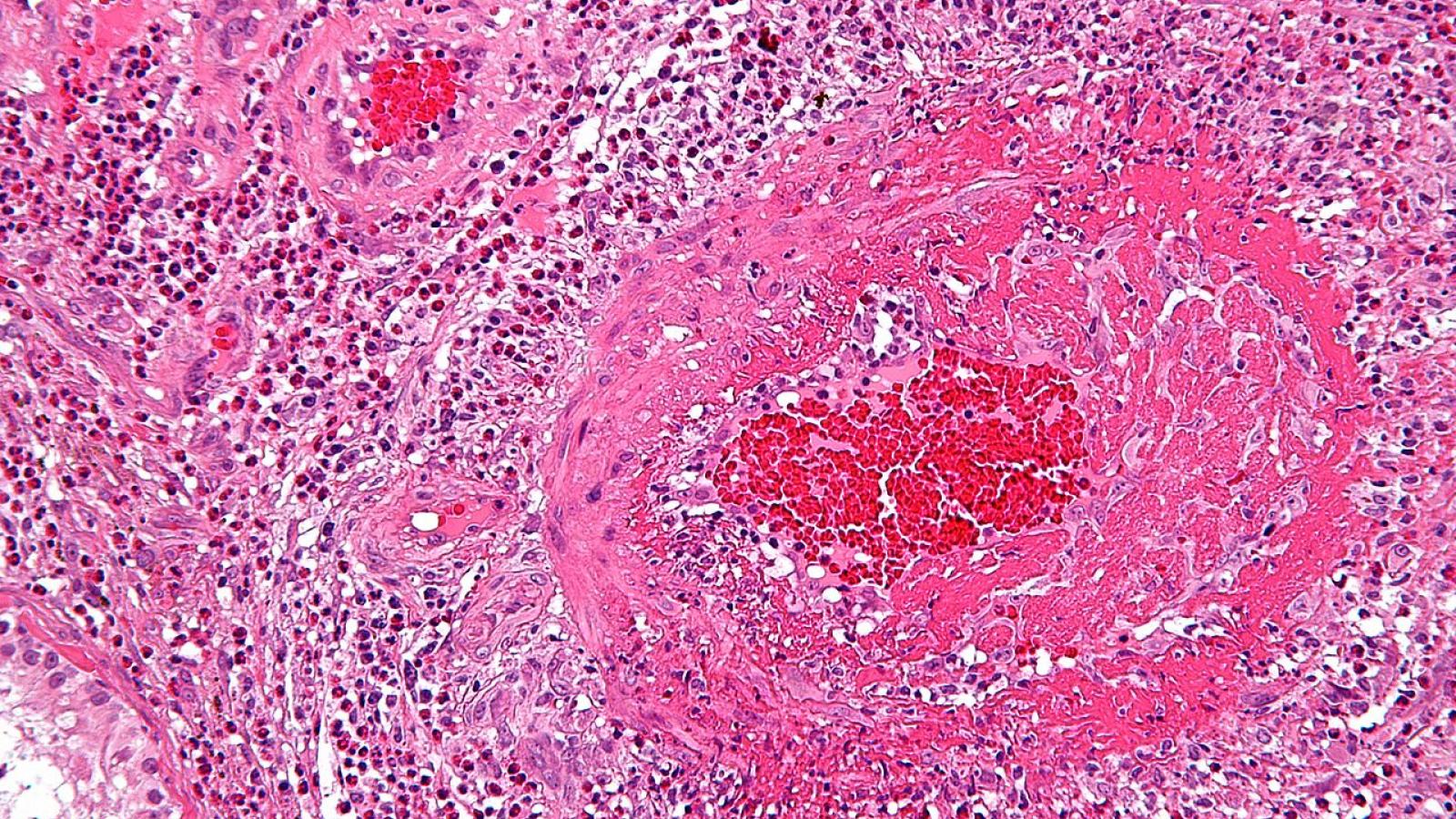
Eosinophilic granulomatosis with polyangiitis (EGPA) is a rare form of anti-neutrophil cytoplasmic antibody (ANCA)-associated vasculitis, affecting between 10 and 14 cases per million globally. This adult disorder has a mean age at diagnosis of nearly 50 years and affects both sexes equally, presenting with pulmonary symptoms (asthma), eosinophilia and granulomatous or vasculitic involvement of several organs. A multidisciplinary,

Fibromyalgia patients hoping to see a more effective and convenient formulation of cyclobenzaprine at their local pharmacies must wait for an ongoing phase III trial -- the product's third -- to finish, as the first two delivered mixed results.

A retrospecitve cohort comparision of juvenile (jSSc) and adult-onset (aSSc) systemic sclerosis (SSc) are both rare but present differently.

After an action packed weekend, RheumNow Live 2023 concluded on Sunday with a half-day session on systemic lupus erythematous and ankylosing spondylitis discussing many new medications that are revolutionizing rheumatology. Dr. Laurent Arnaud, a professor at Strasbourg University in France, however, took the time to review one of our oldest therapies: hydroxychloroquine.
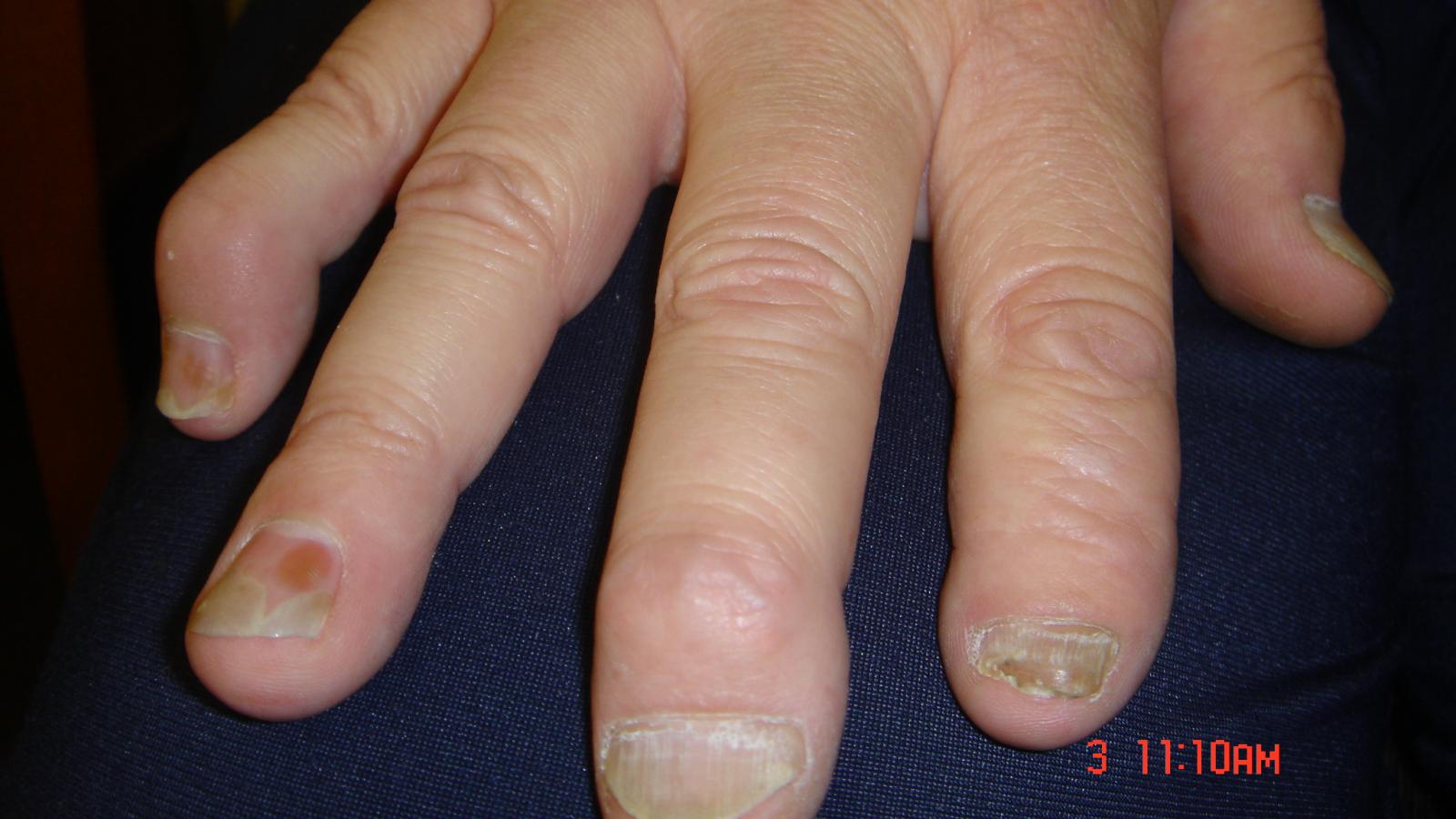
Analysis of patient data from five Nordic registries shows that the uptake of newer biologic or targeted synthetic disease-modifying antirheumatic drugs (b/tsDMARDs) in psoriatic arthritis (PsA) was mainly in biologic-experienced patients. The use of newer b/tsDMARD was hampered by limited efficacy and durability.
This week on the Podcast Dr. Jack Cush reviews the news and journal articles, including the risks of dying, developing RA or autoimmune disease!
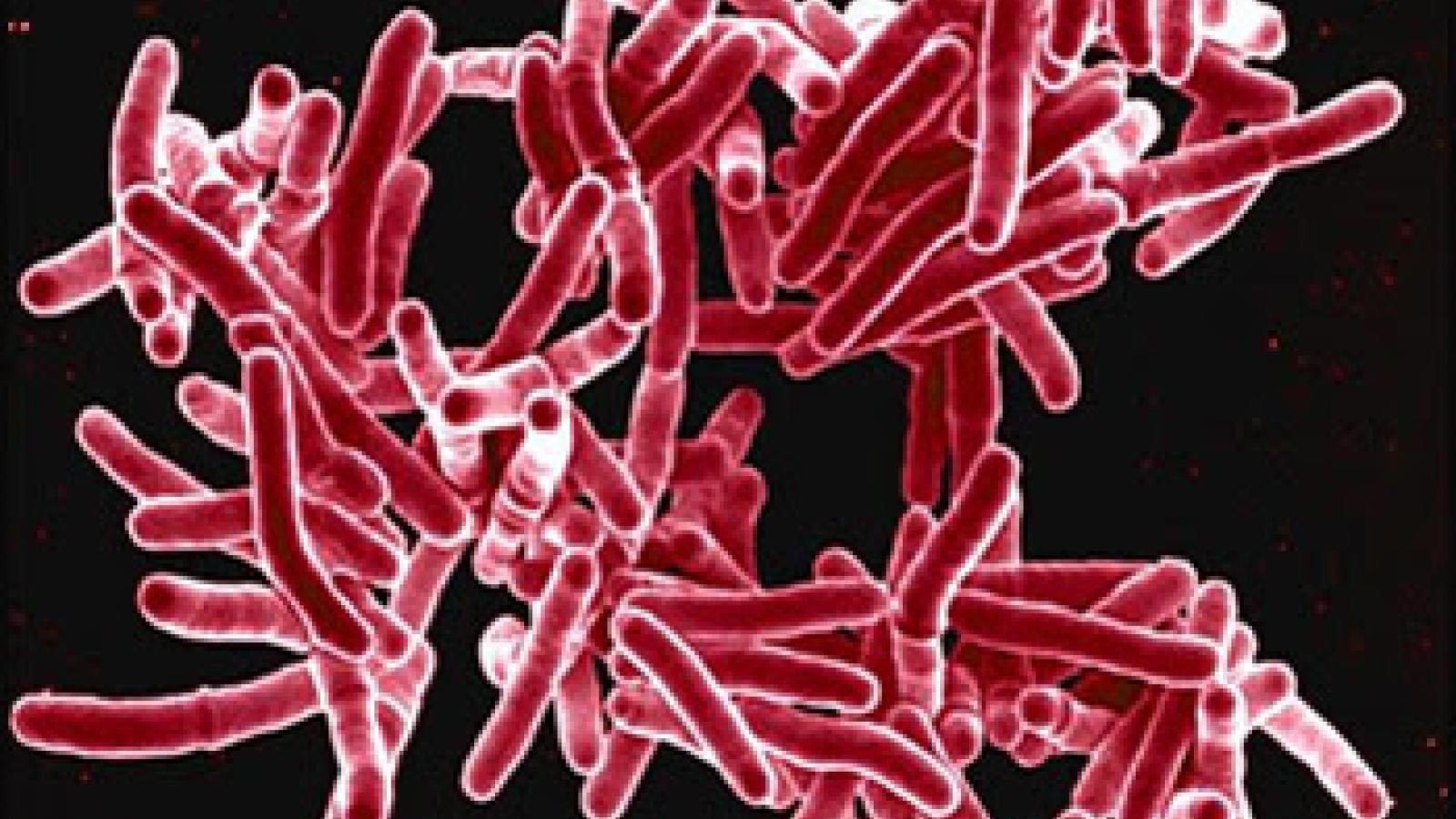
Opportunistic and chronic infections may be rare and are often difficult to diagnose, especially in patients with autoimmune inflammatory rheumatic diseases (AIIRD), that may be immunocompromised. A EULAR task force has established recommendations for screening and prophylaxis against OI.
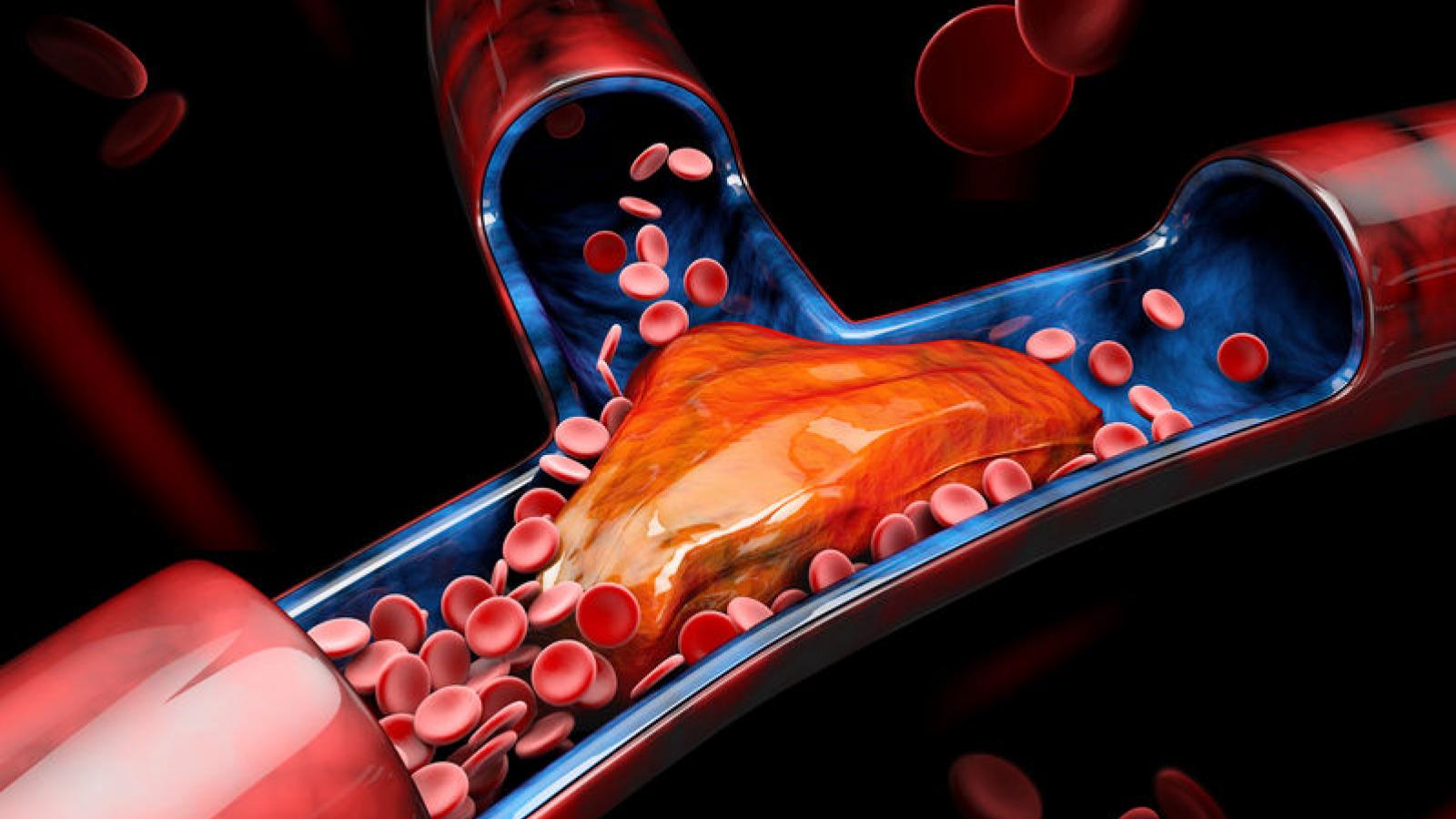
A cohort study analyzed the risk of venous thromboembolism (VTE) in dermatomyositis (DM) patients treated with intravenous immunoglobulin (IVIG).
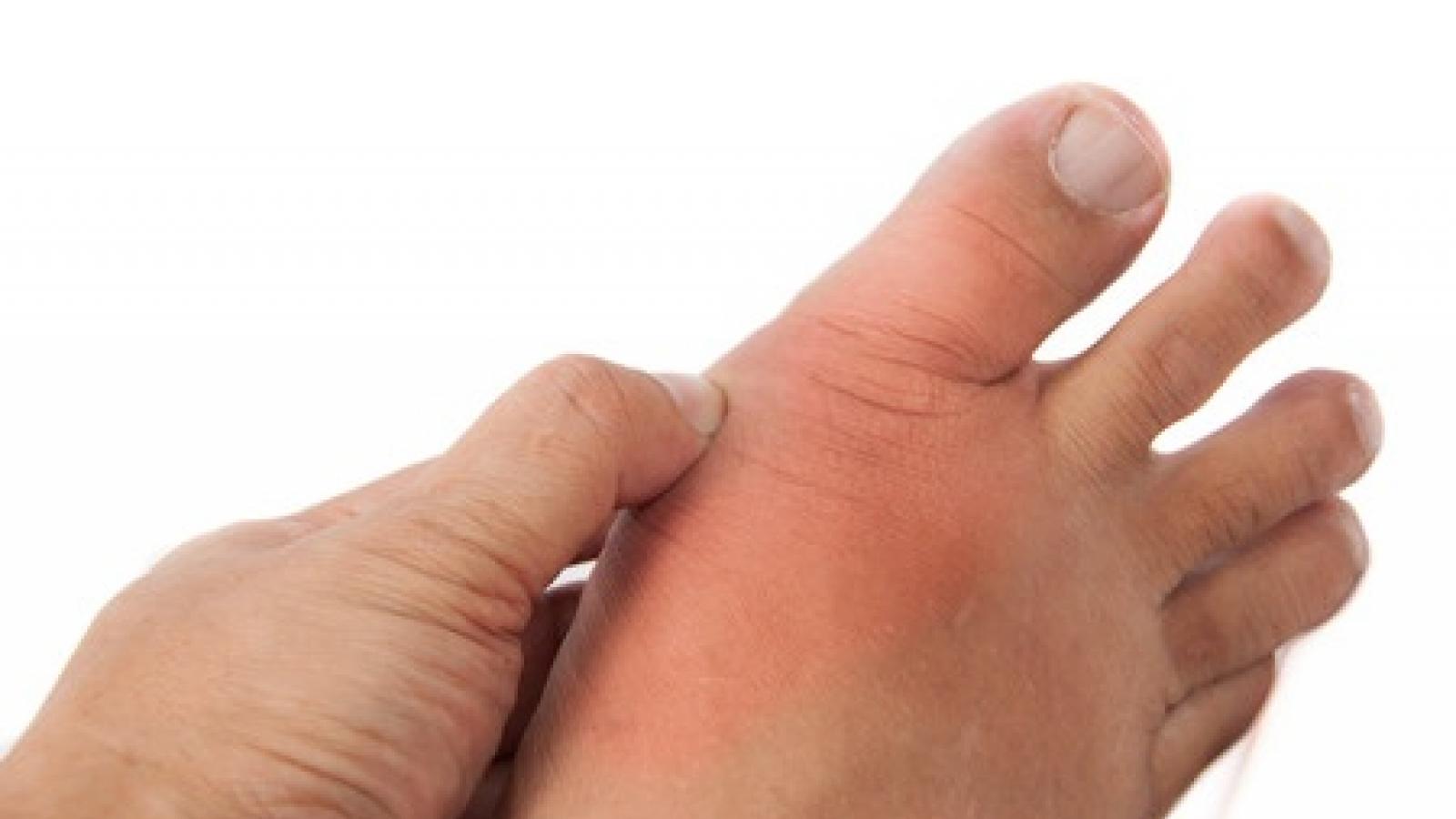
Researchers from Harvard have reported their analysis showing that the large increase in colchicine cost in 2010 was associated with an immediate decrease in colchicine prescription use, with a 10 year increase in emergency department and rheumatology gout visits suggesting poorer gout control.
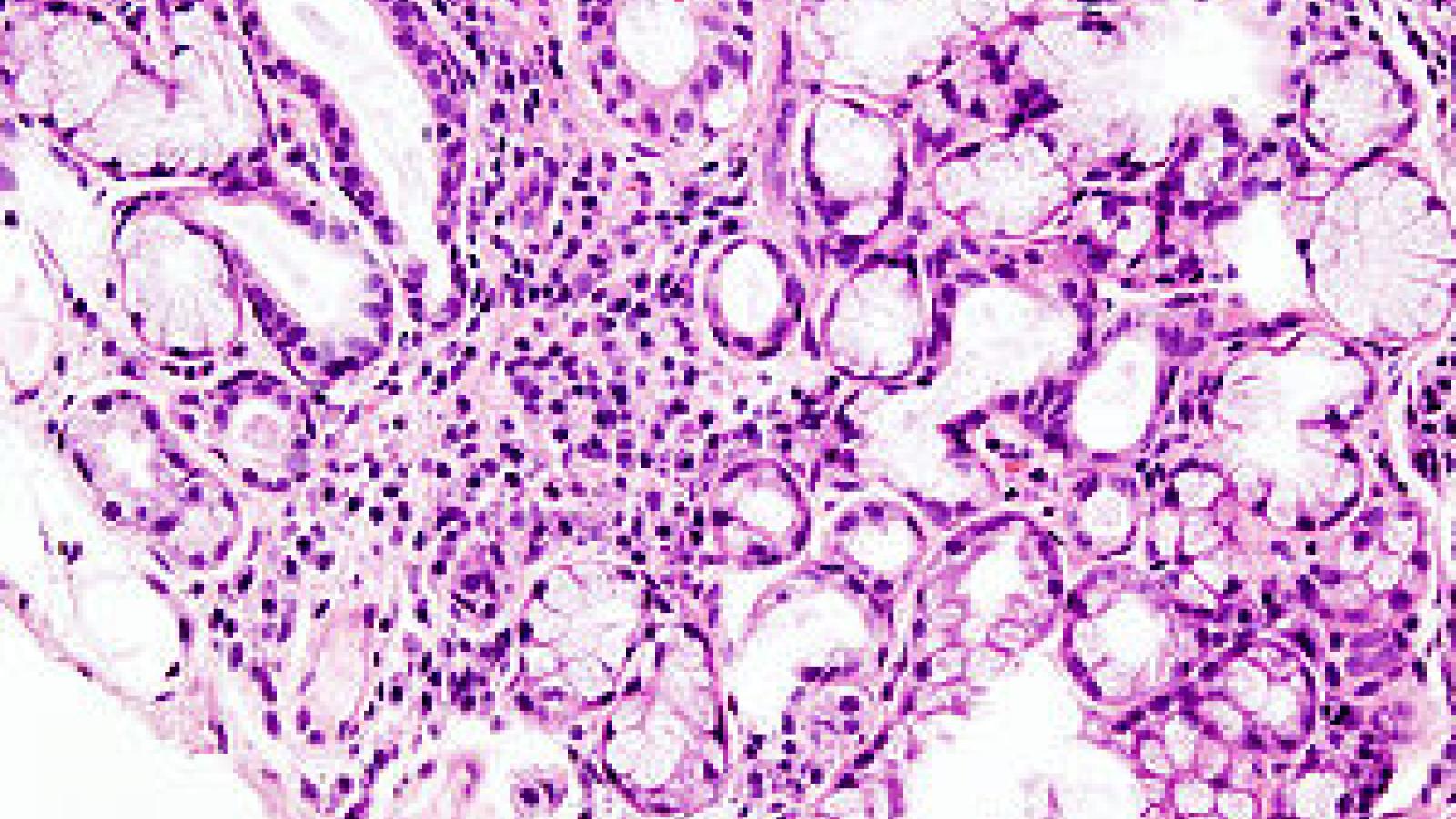
Genetic blood tests indicated that Bruton's tyrosine kinase (BTK) and a cytokine called APRIL were overexpressed in patients with primary Sjögren's syndrome who subsequently developed lymphoma, French researchers reported, suggesting that BTK inhibitors might be useful in this population.

Dr. Christina Chambers, an epidemiologist at the University of California San Diego and the principal investigator of MotherToBaby Pregnancy Studies, reviewed the available data on psoriatic arthritis and pregnancy. There is little evidence at this time that pregnancy affects PsA, though studies reliably demonstrate increase in disease activity in the post-partum period in both skin and joint disease.
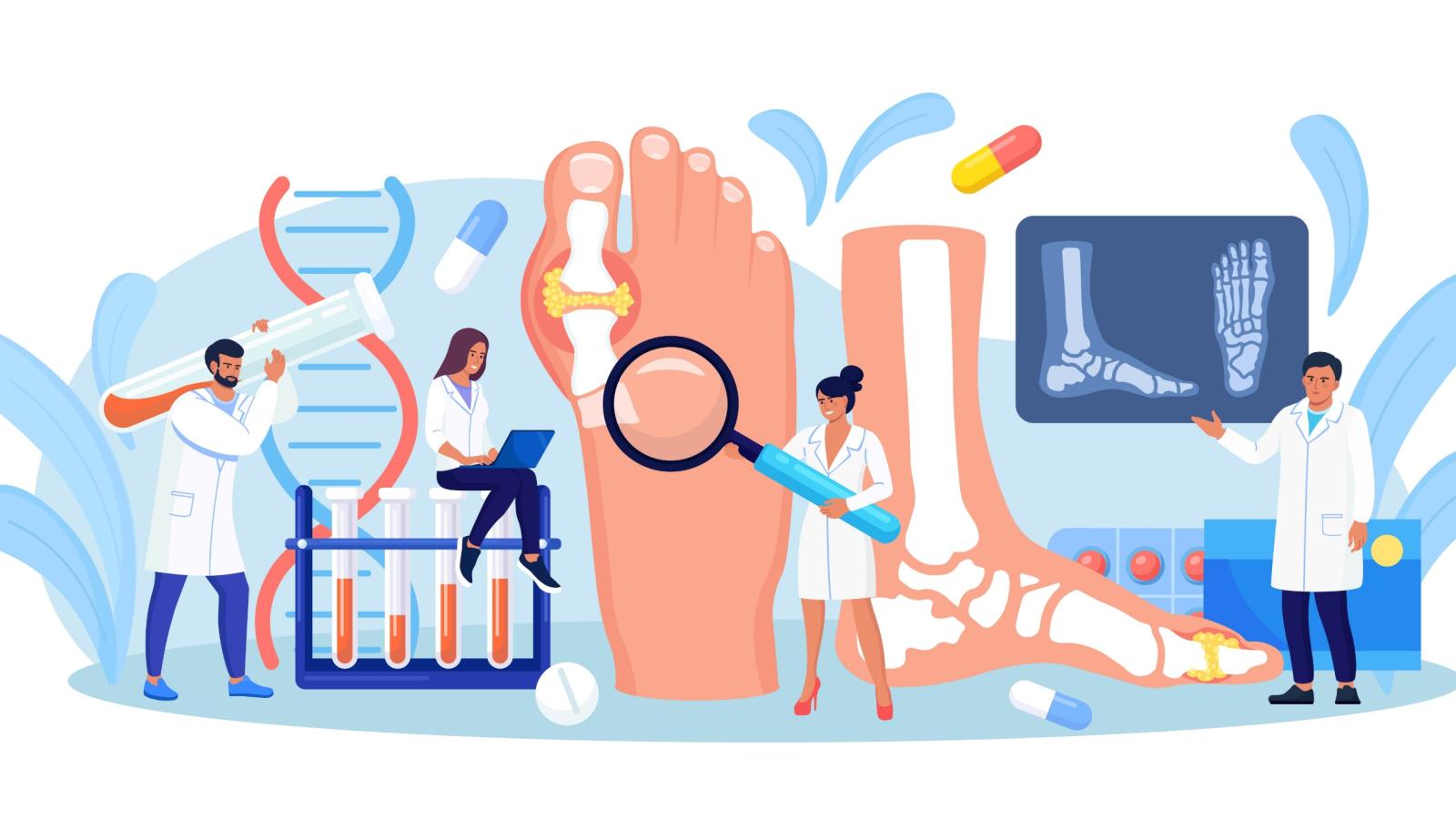
A UK population-based study suggests that autoimmune diseases affect approximately one in ten individuals.
In appears that the risk of autoimmune disease may be increasing as autoimmune frequency was 1/31 in 1997 and in 2005 the risk was 1/12 in women and 1/20 in men (total: 23.5 million) in the USA.

