

Yesterday, the U.S. Food and Drug Administration (FDA) approved sarilumab (Kevzara) for the treatment of adults with active, refractory polymyalgia rheumatica (PMR), stipulating it is indicated in those patients who have had an inadequate response to corticosteroids or who cannot tolerate corticosteroid taper.
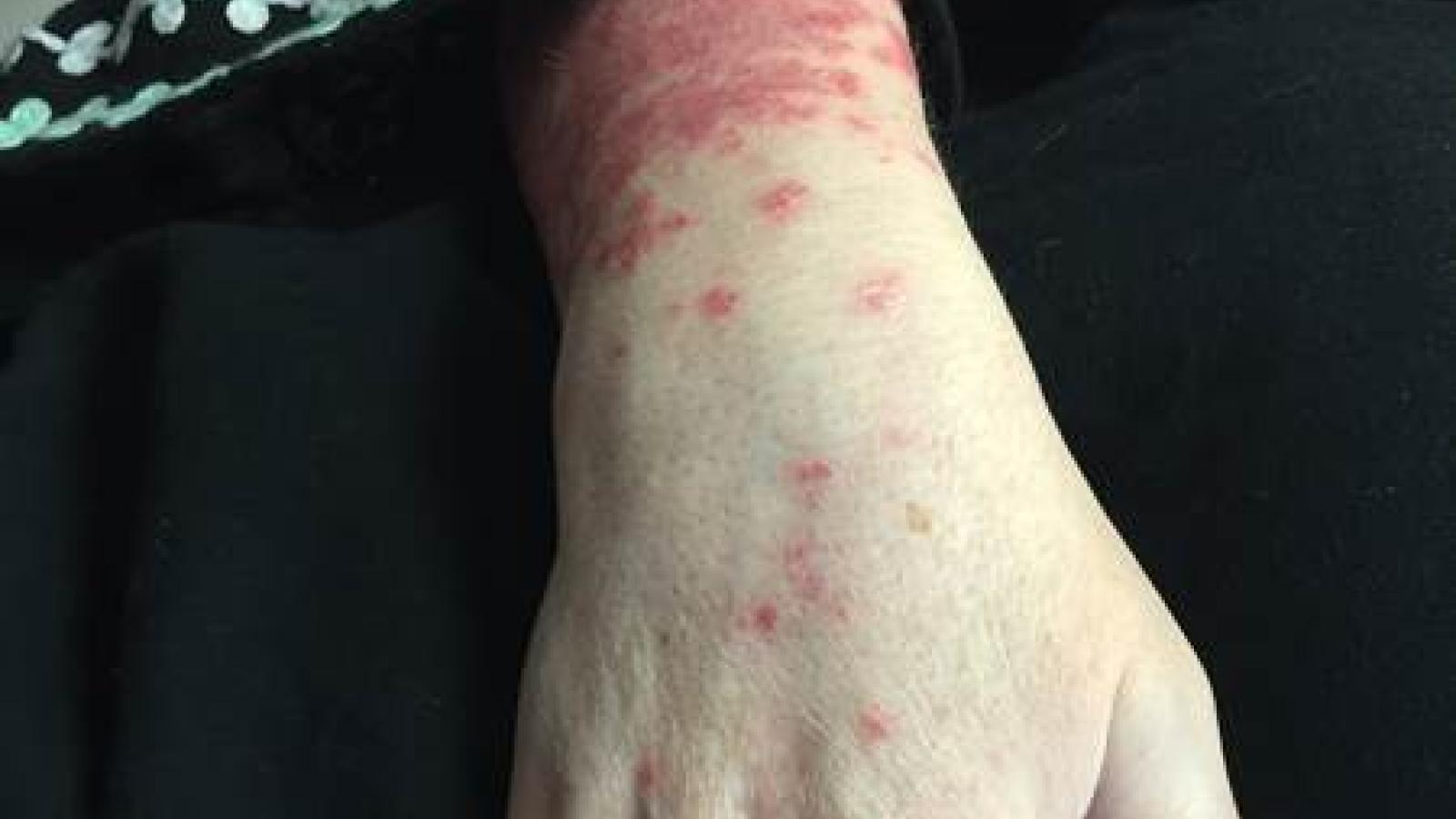
Most patients with psoriatic arthritis (PsA) failed to achieve low disease activity after switching from one targeted therapy to another, real-world data from Scandinavian registries indicated.

The Annals of Rheumatic Disease has published updated multinational, treat-to-target (T2T) recommendations for the treatment of giant cell arteritis (GCA) and polymyalgia rheumatica (PMR).
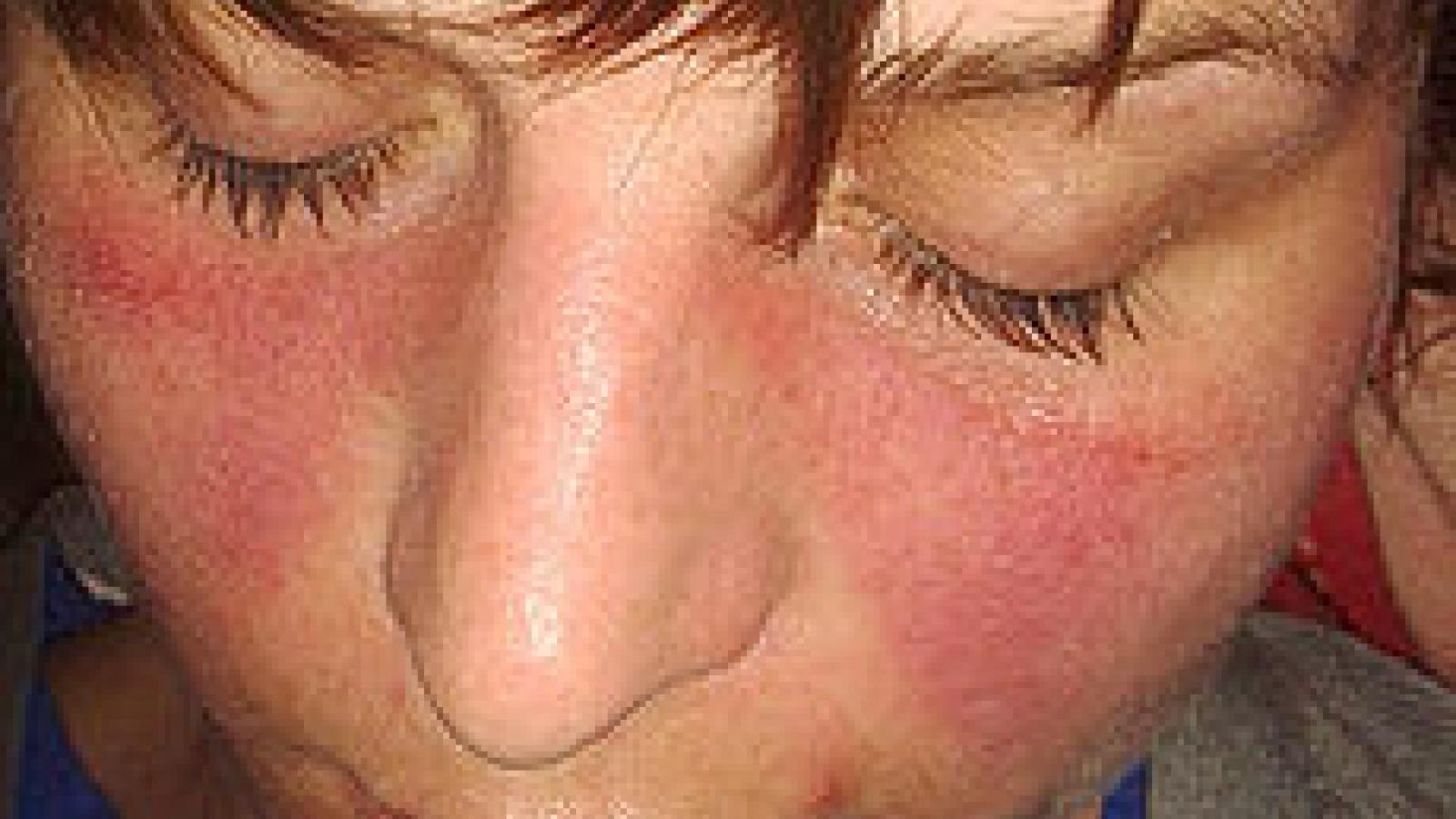
Despite the encouraging phase II trial results of baricitinib in systemic lupus erythematosus (SLE) patients, two parallel phase III trials have failed to redemonstrate the efficacy of baricitinib in active SLE, thereby halting development of baricitinib in SLE.

A study led by Vinod Dasa, MD, Professor of Orthopaedics at LSU Health New Orleans School of Medicine, reports that a novel surgical pain management strategy following total knee arthroplasty (TKA), or total knee replacement, provided pain relief without opioids. The researchers also found that changing prescriptions for opioids at discharge from automatic to upon request dramatically decreased opioid use.
Dr. Jack Cush reviews the news and journal articles from the past week on RheumNow.com
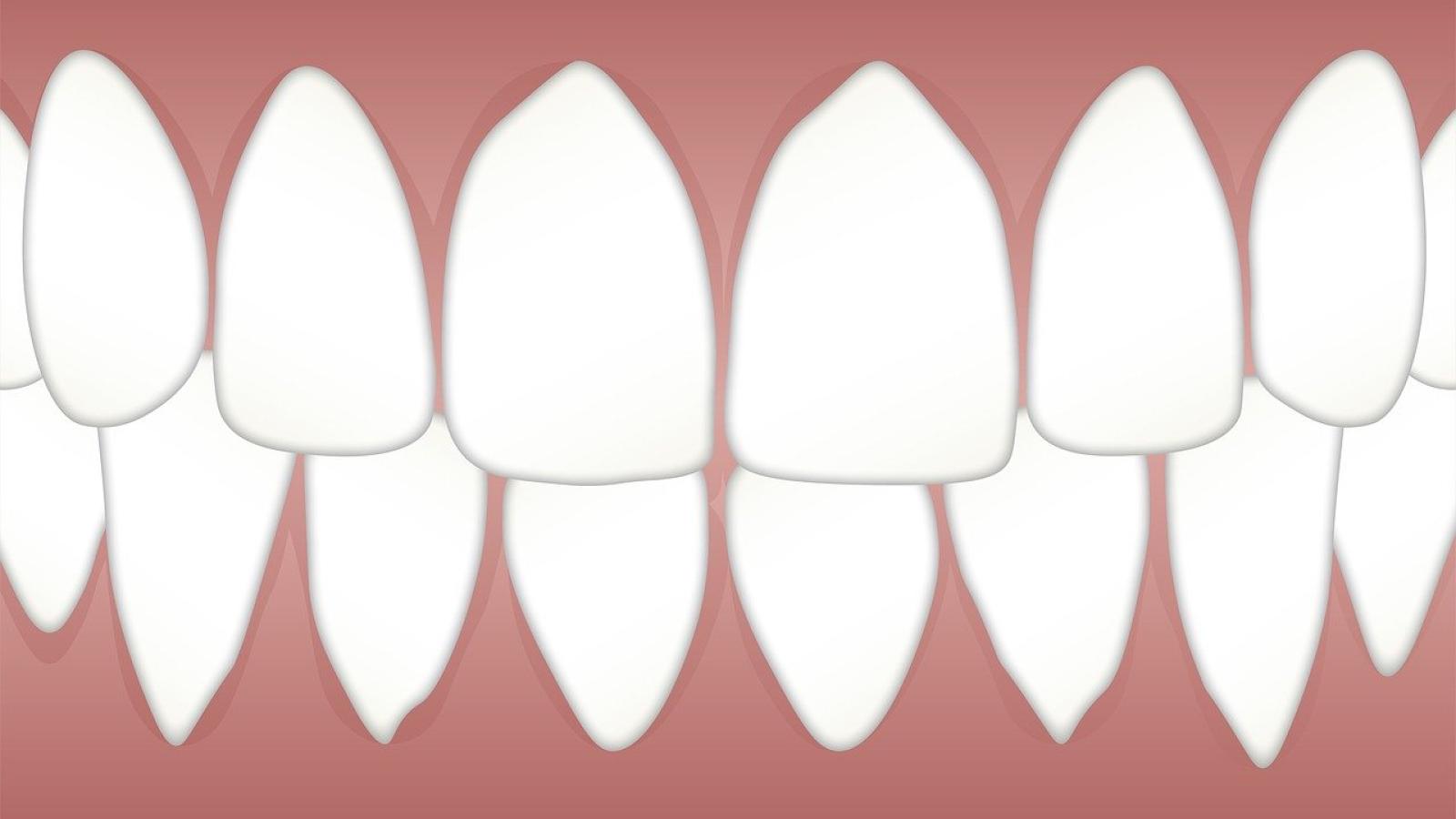
Periodontal disease (PD) is more common in rheumatoid arthritis (RA), especially those with anti-citrullinated protein antibodies (ACPAs). RA activity has been linked to the severity of PD and mucosal inflammation.
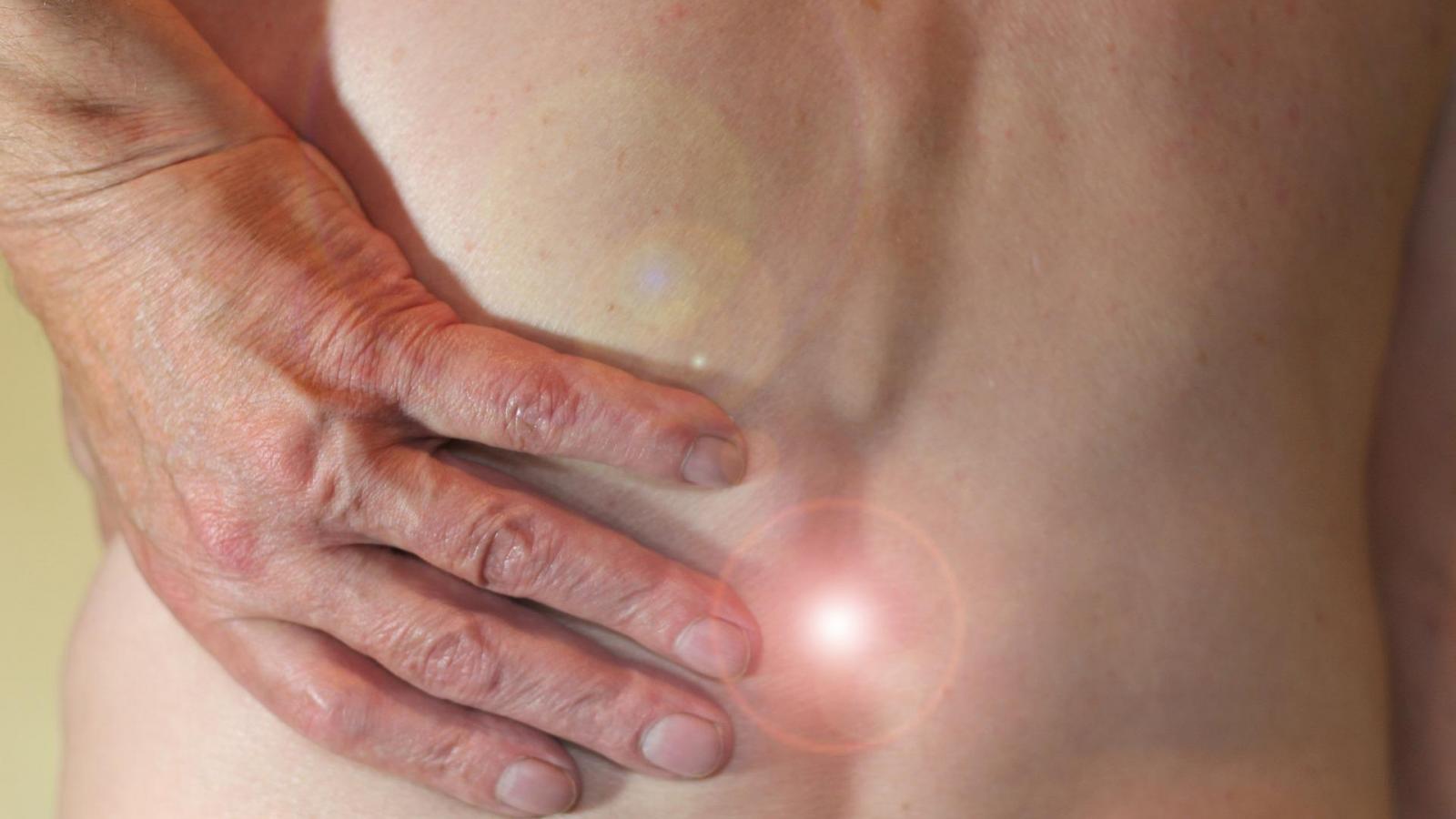
Acute low back pain (LBP) is a common cause of disability. An analysis in the Journal of Orthopaedic Research examined which non-opioid drugs are best for treating this condition.

Wang et al., in a JAMA Network Research Letter, recently reviewed Medicaid expenditures on adalimumab (ADA), sold under the brand name HUMIRA®. They noted that the introduction of the citrate-free formulation cost an extra $4.4B to Medicaid between 2014 and 2021.

The etiology of arthritis was studied using US National Health and Nutrition Examination Survey (NHANES) data and suggested that elevated concentrations of trace elements (TE: Pb, Cd, and Cu) were associated with increased risk of arthritis.
TE concentrations for whole blood [cadmium (Cd), lead (Pb), mercury (Hg), selenium (Se), manganese (Mn)], serum [copper (Cu) and zinc (Zn)] were measured in NHANES adults.
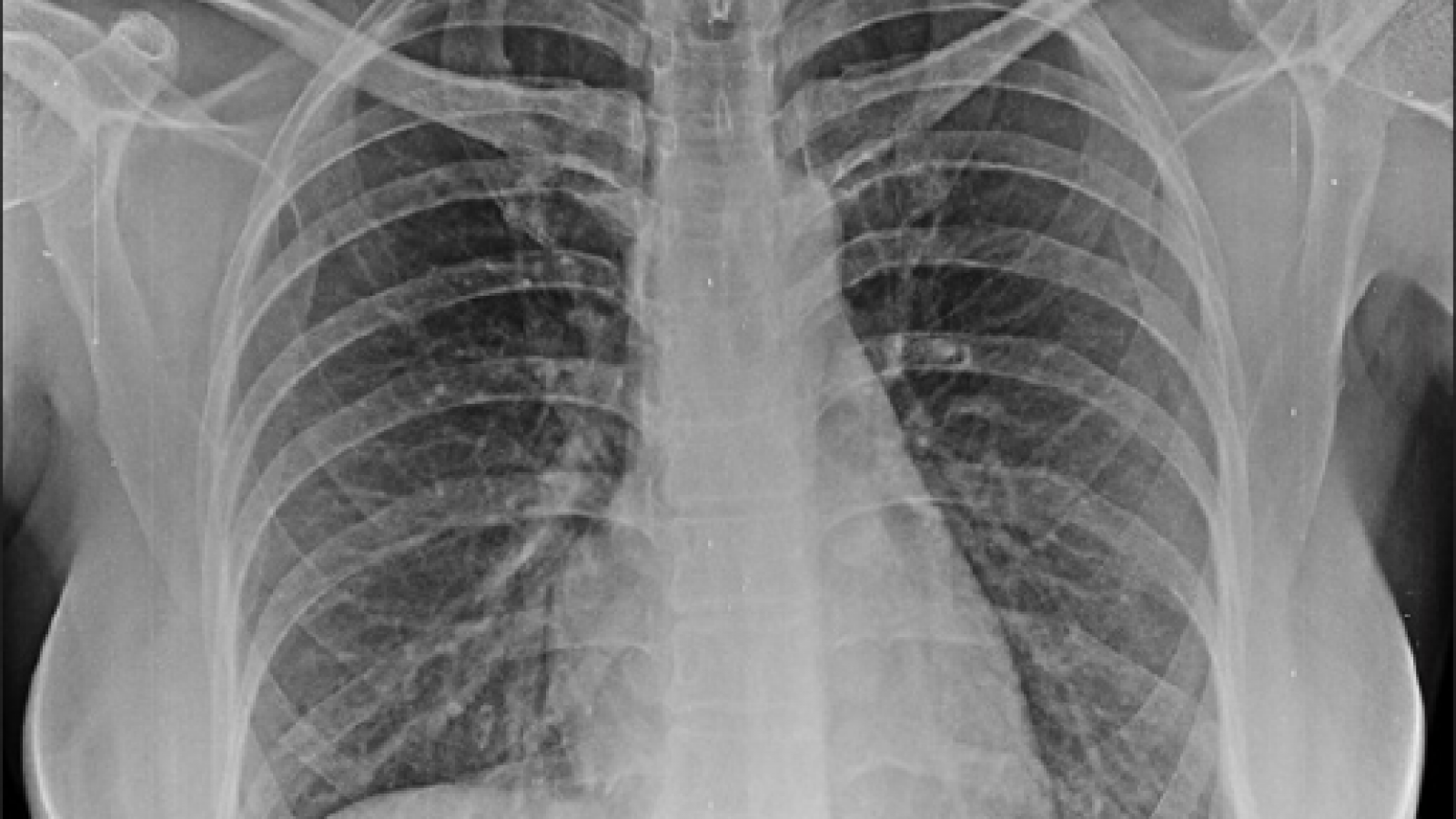
A BRASS registry study shows that specific isotypes of anti-citrullinated protein antibodies (ACPAs) can be associated with incident rheumatoid arthritis-associated ILD (RA-ILD). Early idtentification of RA-ILD is extremely important as it is a major contributor to premature death among patients with RA.
Dr. Jack Cush reviews the news and tries to stump the expert panel this week on the podcast.
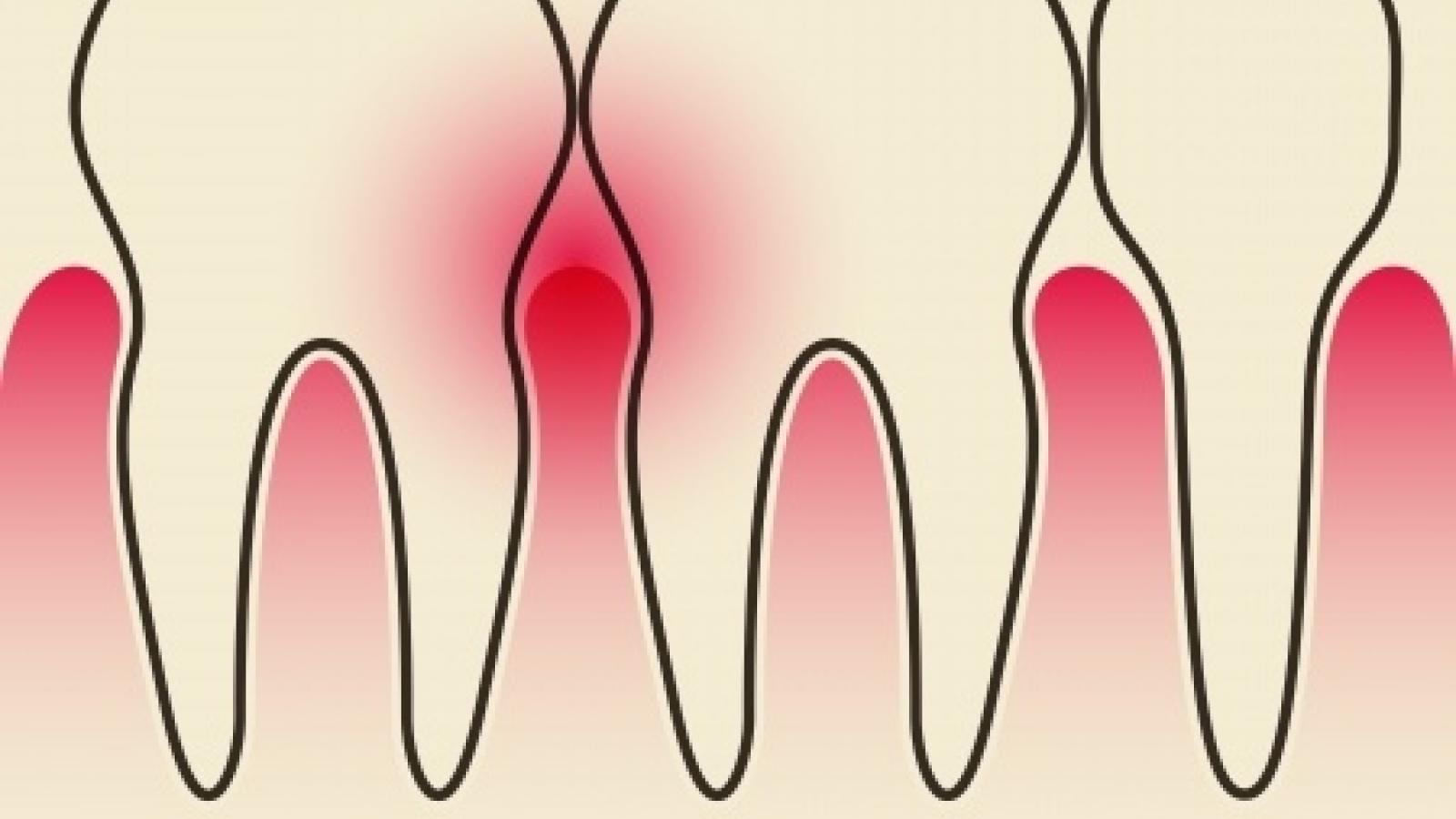
Researchers at NYU College of Dentistry have developed a single score to describe the level of cytokines in the saliva, and this score is linked with the severity of clinical gum inflammation, according to a study published in the journal PLOS ONE.
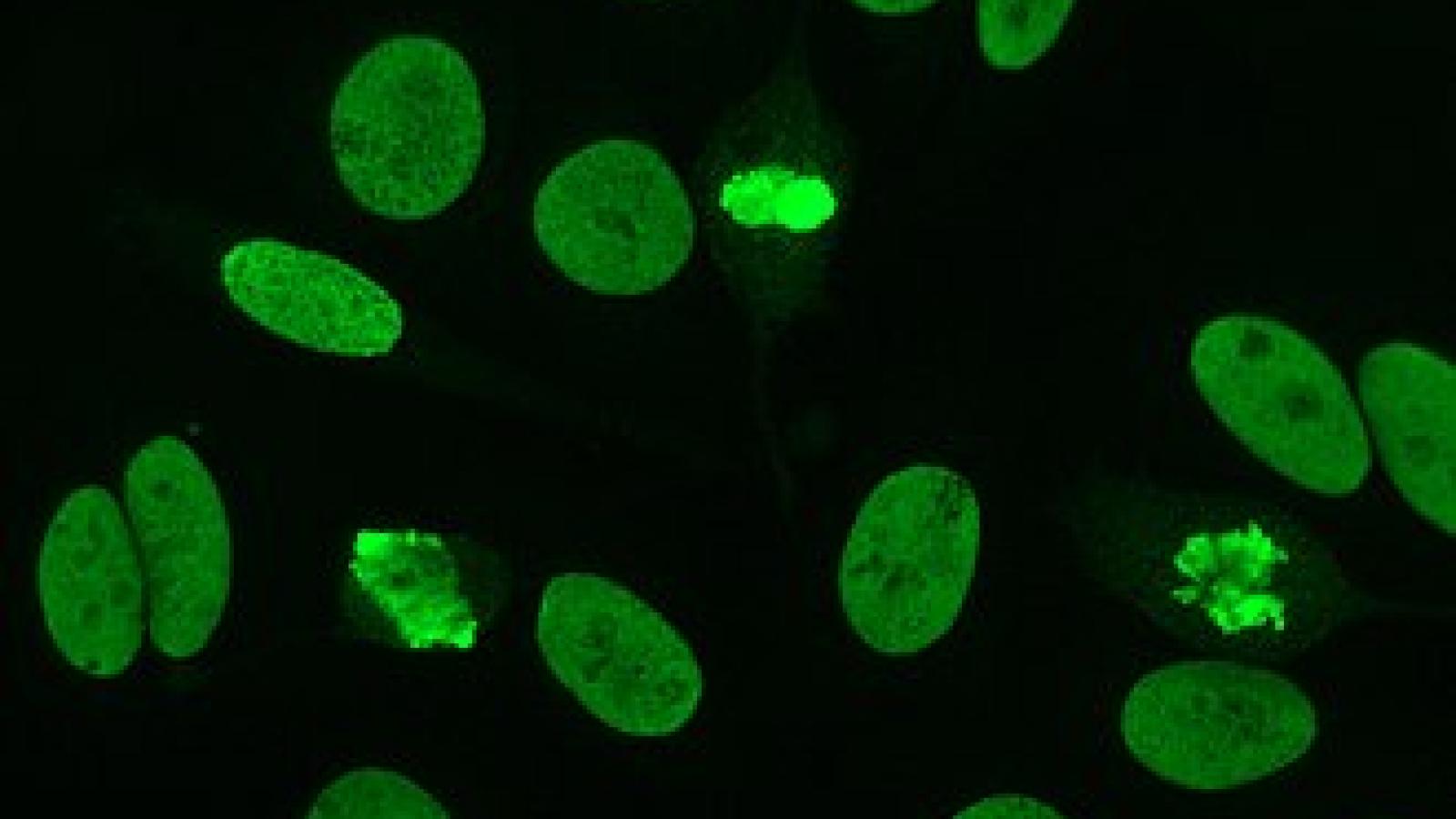
A new study suggests that use of ELISA assays for CXCL-10 and IFN-α can predict which ANA+ individuals may progress to developing a systemic autoimmune rheumatic disease (SARD).
Assays for cytokines (serum IFN-α or selected IFN-induced cytokines) were performed by nanoString, ELISA or Simoa. Patients were followed for 2 years for the diagnosis of a new onset SARD.

Safety outcomes for targeted synthetic or biological disease-modifying antirheumatic drugs (b/ts DMARDs) used to treat RA were studied using data from the Anti-Rheumatic Therapies in Sweden (ARTIS) registry, showing that these newer agents are largely similar, but still have particular differences for specific infection or other adverse event risks.

