

A cross-sectional global study shows a substantial impact of obesity and BMI on the health and economic impact of patients with musculoskeletal (MSK) disorders.
In this cross-sectional study of 192 countries and territories, 7.3 million years lived with disability and $180.7 billion total costs associated with musculoskeletal disorders were attributable to high BMI. The disease and economic burden varied by region and country.

Dr. Jack Cush reviews the highlights from the past week on RheumNow.com.

Inflammatory disorders are often accompanied by an increased mortality risk, either from secondary malignancy, infection or cardiovascular disease. A recent meta-analysis showed a significantly increased risk of overall mortality in ankylosing spondylitis (AS) but not psoriatic arthritis (PsA), largely associated with cardiovascular-specific mortality .
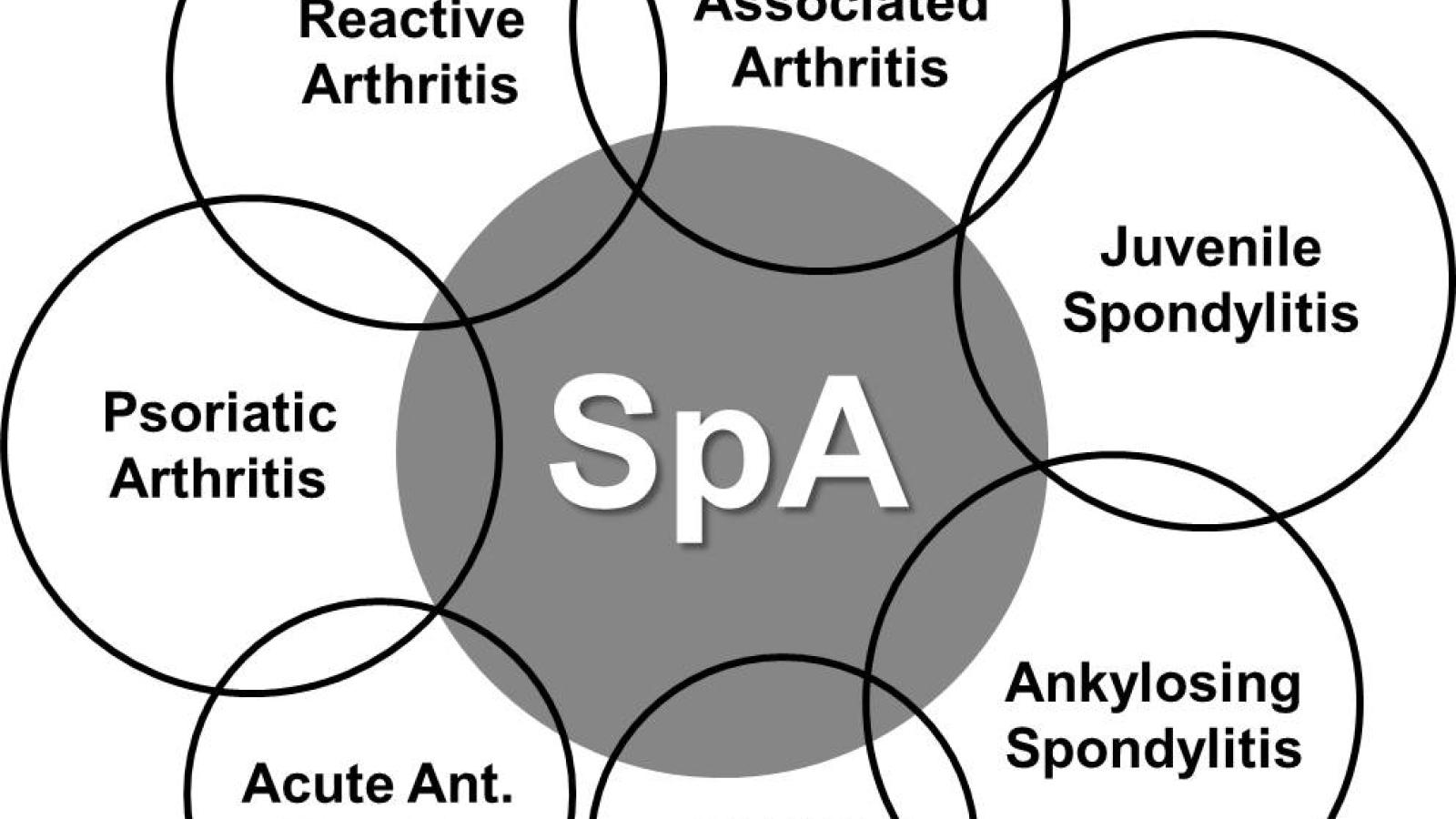
Bimekizumab, an investigational biologic drug targeting interleukin (IL)-17A/F, appeared highly effective in patients with axial spondyloarthritis (axSpA), researchers said.

A cohort study in Annals of Internal Medicine shows that higher hydroxychloroquine doses was associated with progressively greater risk for incident retinopathy.
The study aimed to assess the long-term risk for incident hydroxychloroquine retinopathy and examine the degree to which average hydroxychloroquine dose within the first 5 years of treatment predicts this risk.
People at high risk of fracture who also have complex or multiple chronic medical conditions are less likely to receive treatment for the underlying osteoporosis and also have poorer health outcomes, according to a new study from the Garvan Institute of Medical Research.
Nearly all available vaccines can be given to people with rheumatologic diseases, according to a new, detailed guideline from the American College of Rheumatology (ACR), though the timing for their administration and dosing of antirheumatic drugs may need adjustment in some cases.

A Longitudinal Swedish study has shown that elevated serum uric acid (SUA) levels has cardiovascular implications and may predict the development of atrial fibrillation (AFib).
Dr. Jack Cush reviews the notable standouts in the news since the 1st of January. Surprising reports on ferritin, alcohol benefits, cannabis for pain and a lower dementia risk with hydroxychloroquine. Here are the links below.

Despite its well known toxicities, alcohol is known to be antiinflammatory. The effects of alcohol use in rheumatoid arthritis (RA) is less known, but a recent study suggests that alcohol consumption was dose-dependently associated with lower disease activity and higher health-related quality of life in RA patients.
A population-based retrospective cohort study patients with rheumatoid arthritis (RA) or systemic lupus erythematosus (SLE) and their infants demonstrated significant adverse pregnancy outcome, particularly the infants of women with SLE. This included maternal/infant rehospitalization, malformations and mortality.

BE COMPLETE is published, showing that bimekizumab (BMK), a selective dual inhibitor of interleukin (IL)-17F and IL-17A, results in superior improvement in both skin and joint outcomes in psoriatic arthritis (PsA) patients who have previously failed treatment with a tumour necrosis factor-α (TNFα) inhibitor.
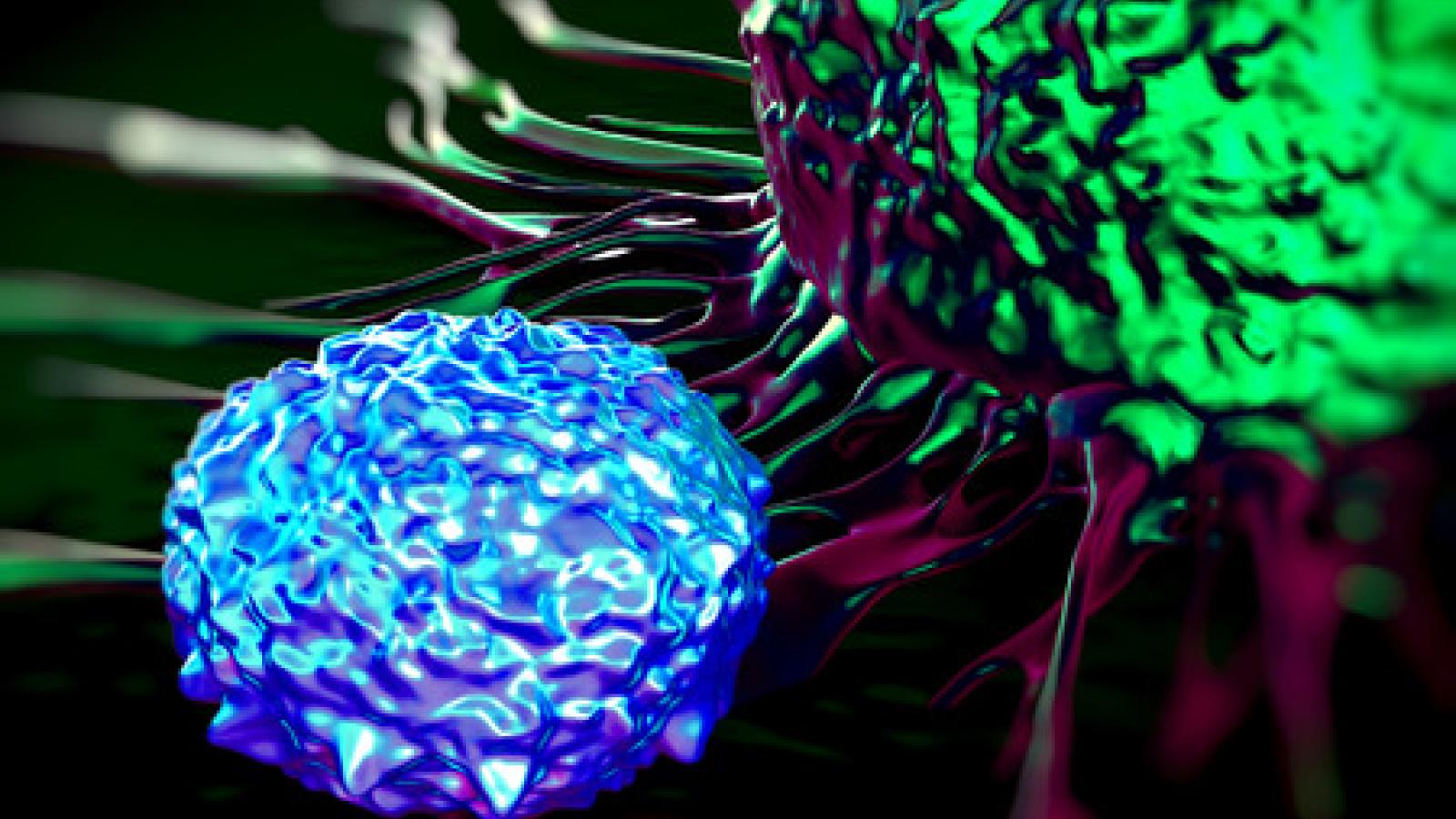
Certain T cells can secrete cytokines that are normally part of the innate immune system, as researchers from the Leibniz Institute for Natural Product Research and Infection Biology (Leibniz-HKI) and an international research team discovered. They have thus revealed several previously unknown properties of these immune cells that are relevant regarding both autoimmune diseases as well as fighting fungal infections.

Tofacitinib (Xeljanz) appeared highly effective against polymyalgia rheumatica (PMR) in a small single-arm trial, researchers said, suggesting another potential alternative to long-term corticosteroids.
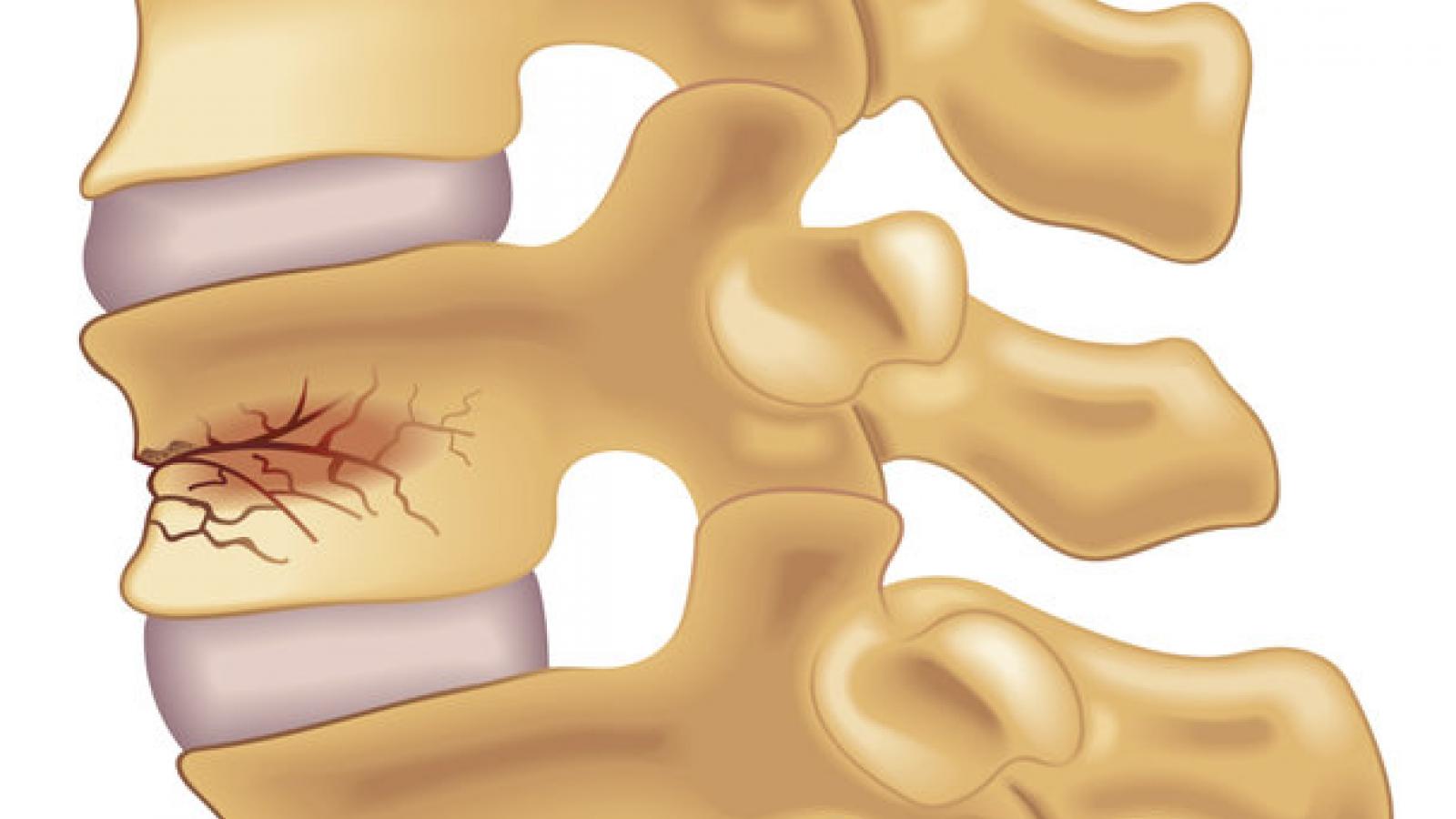
The American College of Physicians (ACP) has updated its 2017 recommendations on pharmacologic treatment of primary osteoporosis or low bone mass to prevent fractures in adults. The full document and guideline can be found in the Annals of Internal Medicine. This guideline is the result of an expert panel literature review and GRADE evaluations.

