

People with gout appeared less likely to develop dementia than age- and sex-matched peers, a database study from Korea found.
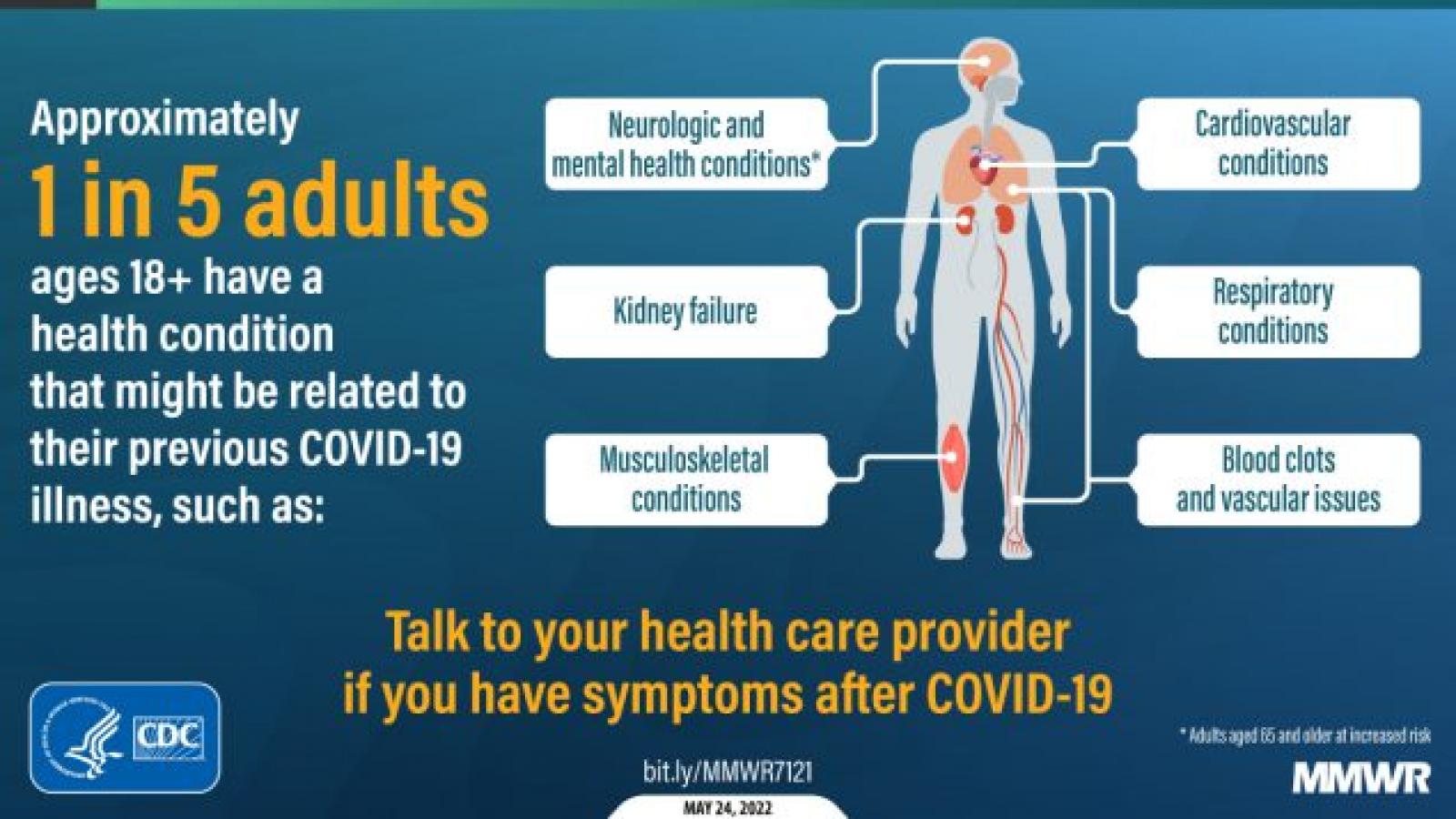
The acute consequences of a SARS-CoV-2 infection may be bothersome or devastating, but the long-term consequences may lead to so-called "long COVID" syndrome. Long COVID appears to affect up to 20% of those who survive COVID-19 infection.
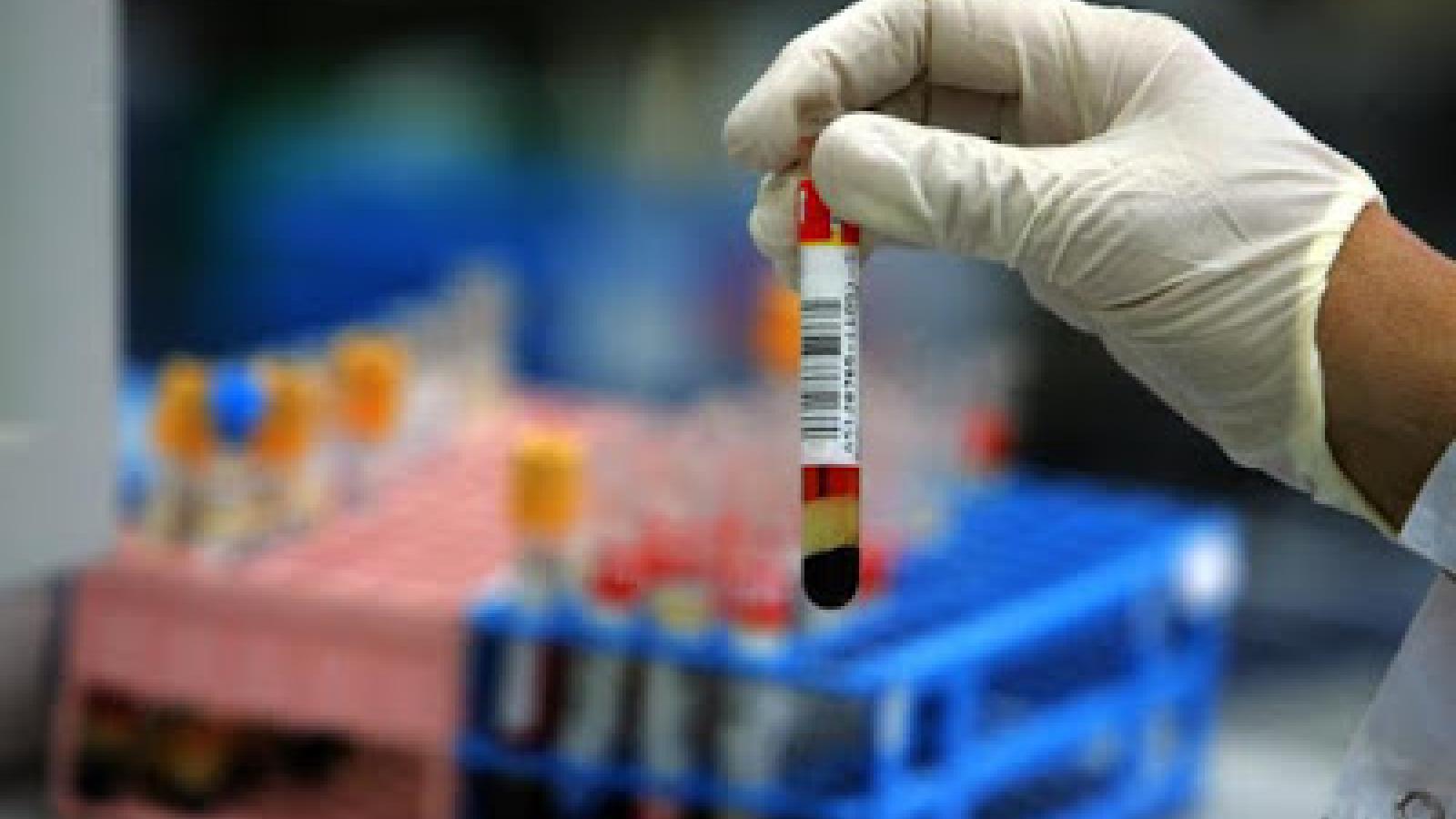
Therapeutic Drug Monitoring (TDM), especially for biologic therapies, has become a standard in gastroenterology, but shunned by most rheumatologists.
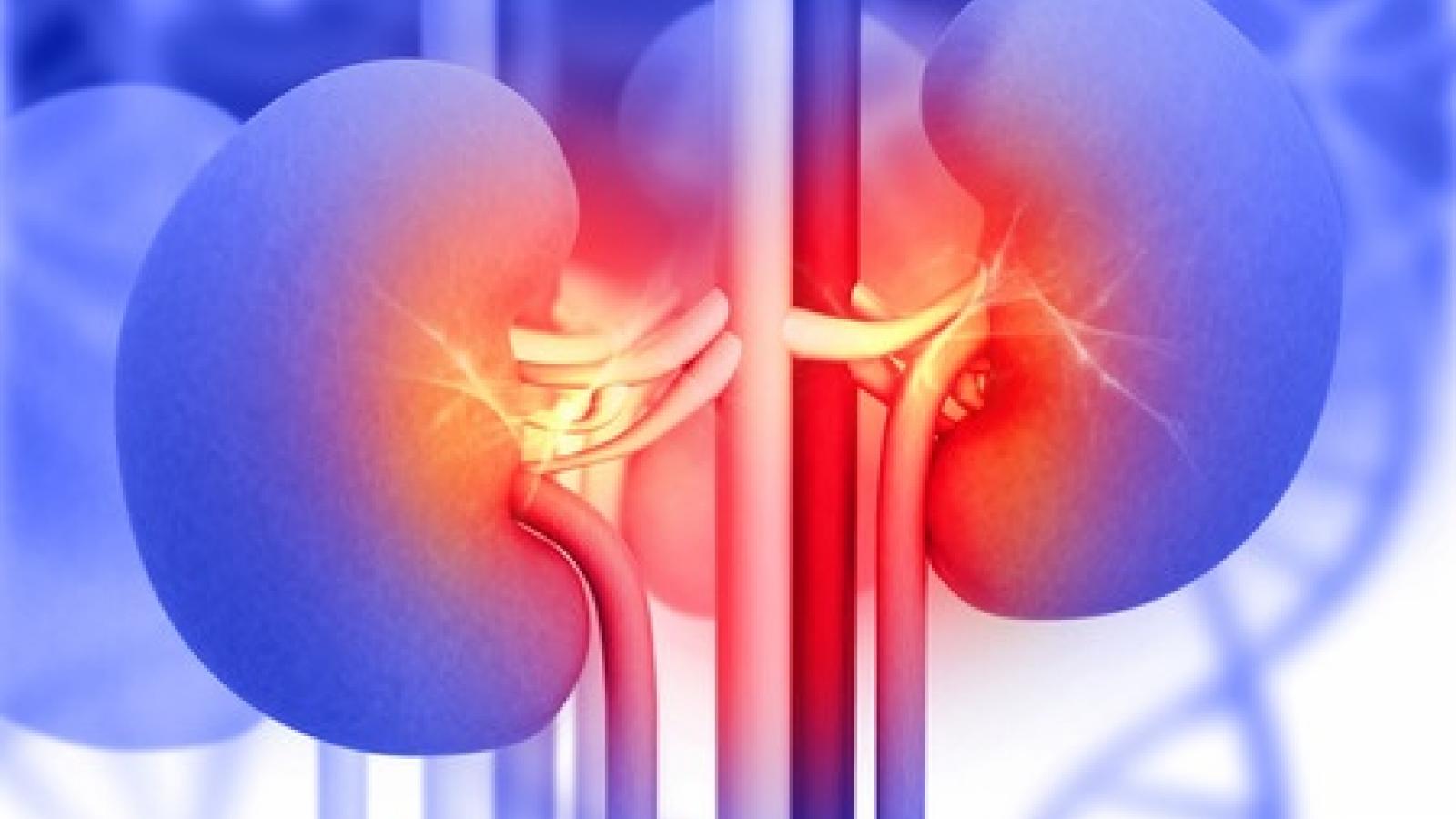
SGLT2 inhibitors are all the buzz in the renal world with reports of a renal protective and mortality lowering effects. Maybe these agents should be considered and studied in lupus nephritis and ANCA- associated vasculitis.

Both old and newer pharmacological treatments for fibromyalgia are often promoted; but a recent systematic review and network meta-analysis showed that duloxetine had higher efficacy in pain and depression, while amitriptyline had higher efficacy in treating sleep, fatigue, and quality of life outcomes.
Dr. Jack Cush reviews the news and journal reports from the past week on RheumNow.com. This week, neuroimmunology leading to therapy, the cold shoulder approach and Regulatory updates from the FDA.
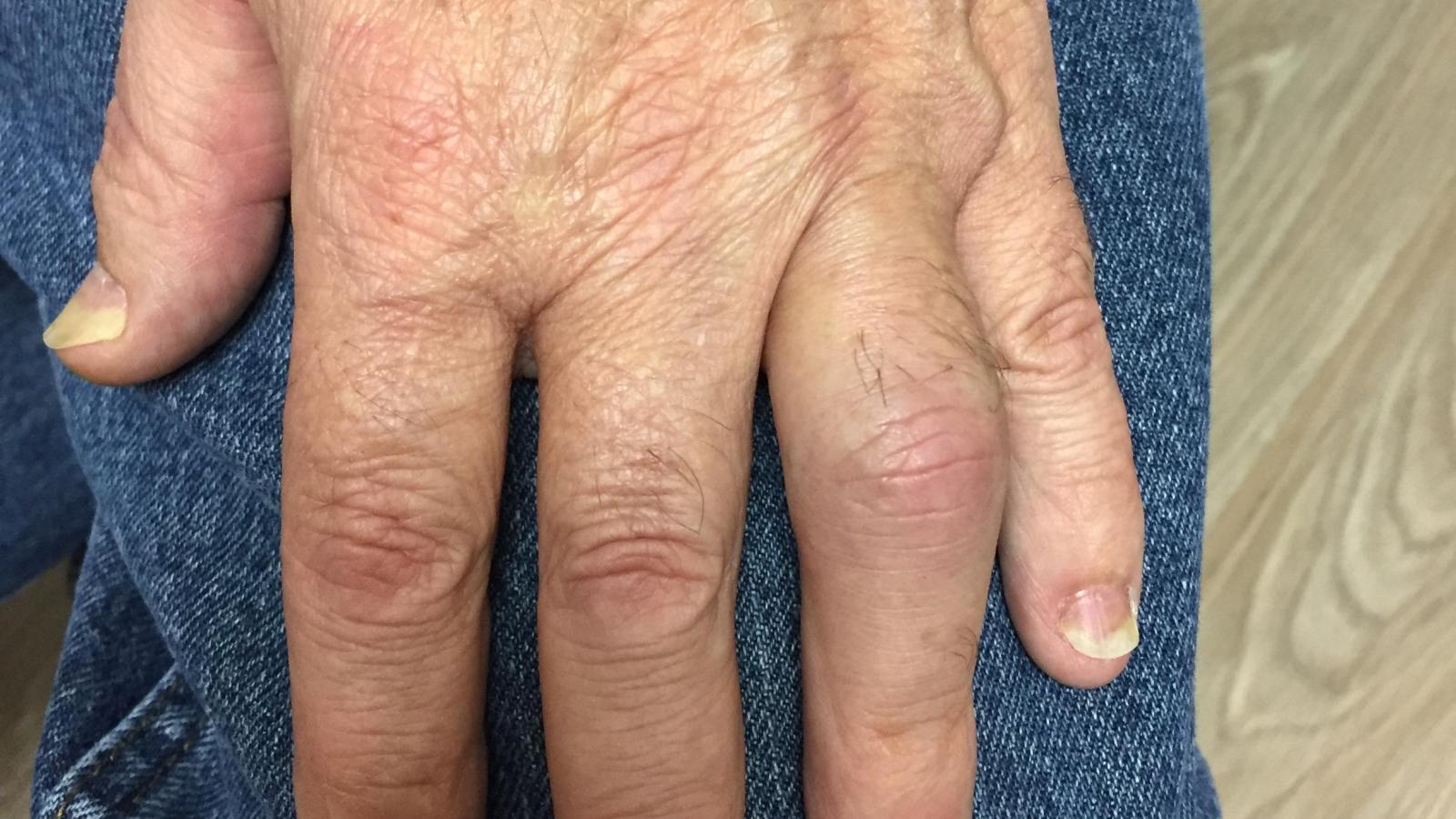
Two recent studies examined the durability and persistence of biologic agents in patients with psoriasis (PSO) and psoriatic arthritis (PsA) and while some differences were noted overall persistence was low 3 years later.
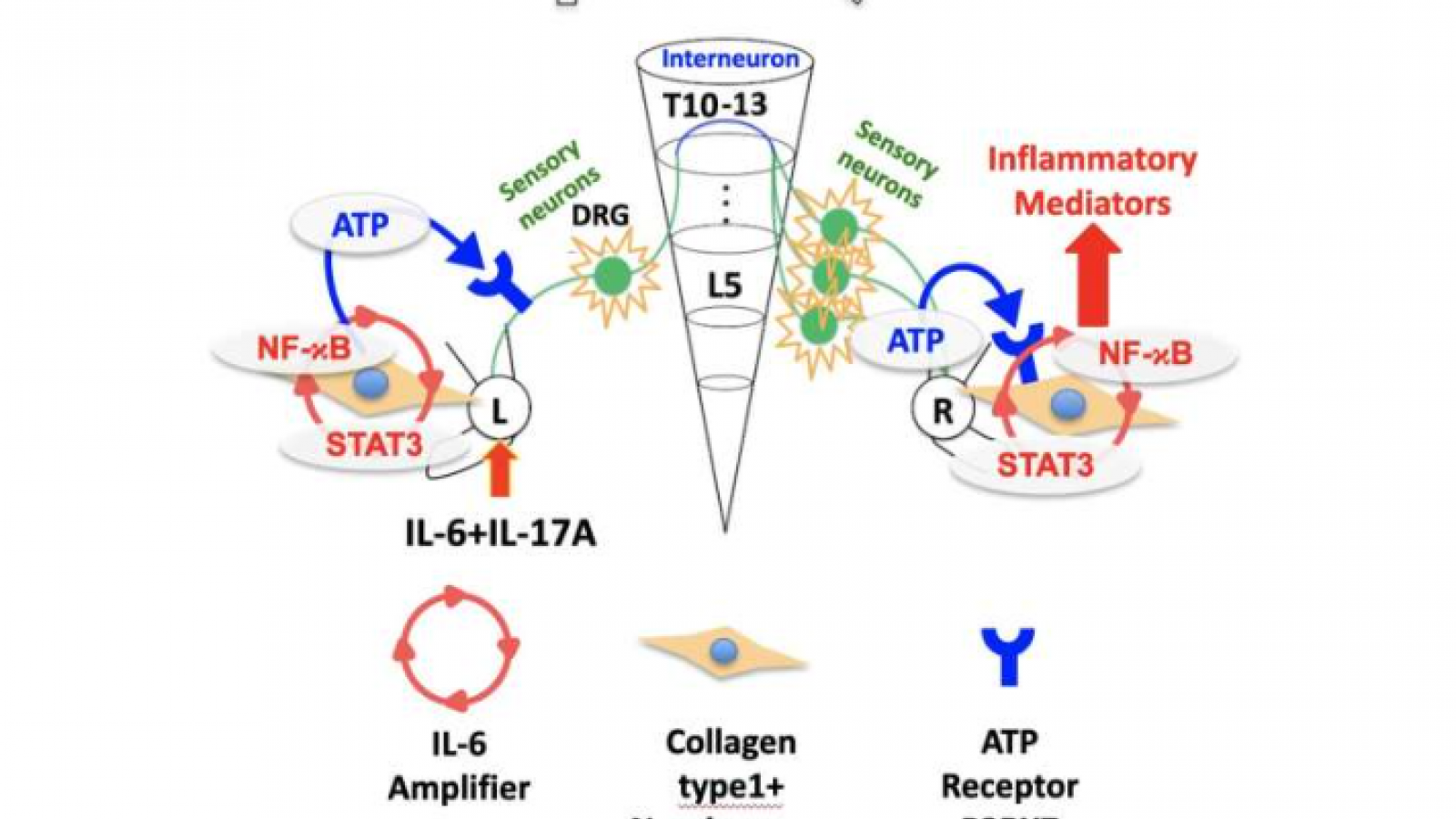
A novel study from the Journal of Experimental Medicine suggests that a reflex neural signaling at sites of inflammation may lead to spread to other inflammatory sites via and ATP-mediated neural crosstalk. Such findings may be important in disorders like rheumatoid arthritis (RA) and may lead to future novel interventions for RA.
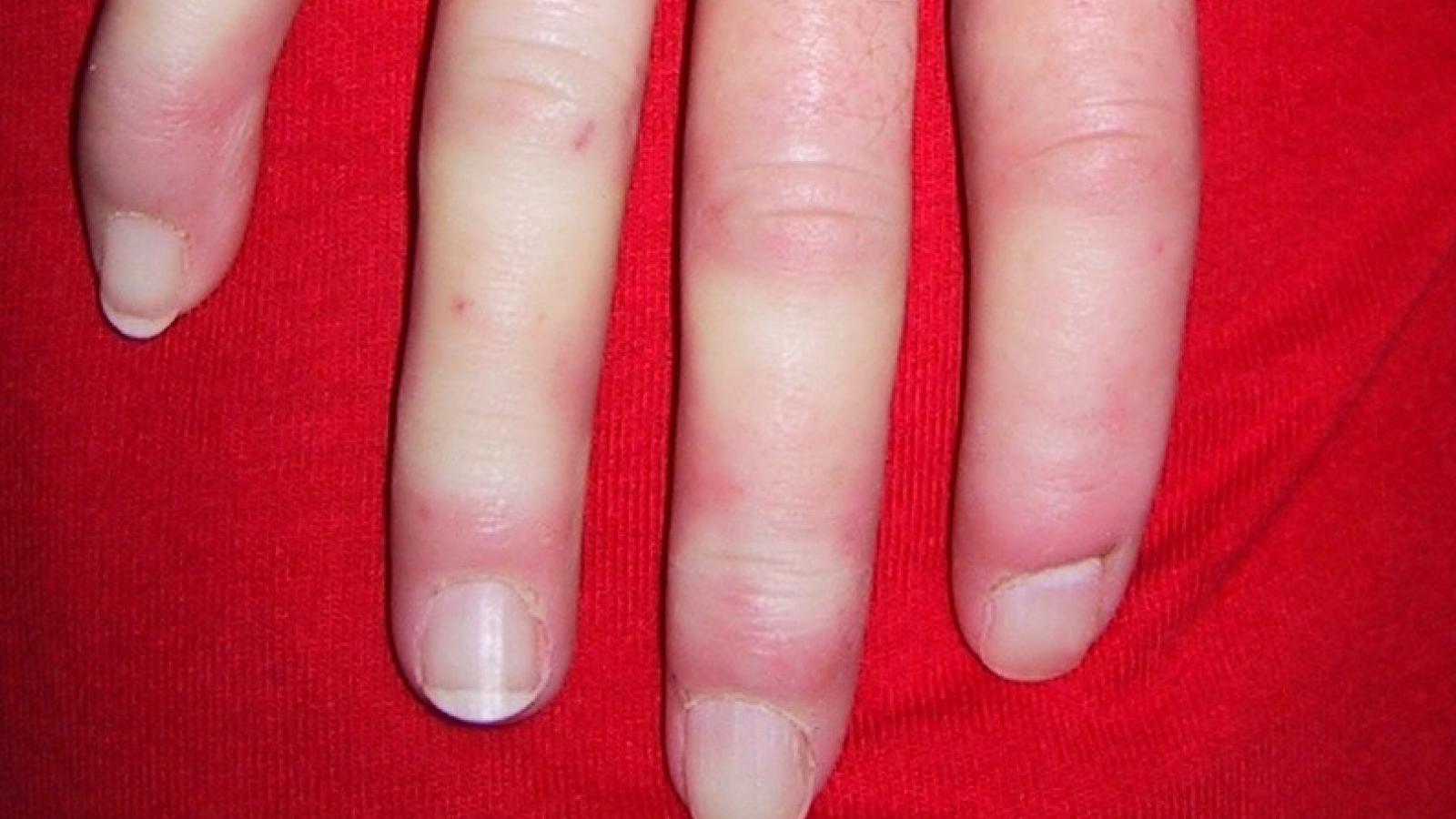
Raynaud’s phenomenon (RP) is integral to the diagnosis and management of systemic sclerosis (SSc) patients; a recent analysis suggests that RP should be characterized based on color change and the presence of other symptoms to know whether RP portends more serious manifestations.
This RheumNow Live 2022 session features highlights from lectures on Spondyloarthritis.
- Microbiome in Spondyloathritis - Jose Scher, MD
- Axial Psoriatic Arthritis - Philip Mease, MD
- Juvenile Spondyloathritis - Pamela Weiss, MD

Data from Olmstead county, MN over the past four decades shows that the incidence and prevalence of systemic lupus erythematosus (SLE) is increasing.
SLE was diagnosed using the EULAR/ACR criteria and looked at patients seen between 1976–2018.
They identified a total of 188 incident SLE cases in 1976–2018 (mean age 46.3 yrs; 83% women).
Crowson and colleagues at the Mayo Clinic have shown that rheumatoid arthritis (RA) patients have a higher prevalence of multimorbidity with as many as 44 different morbidities of interest in RA.
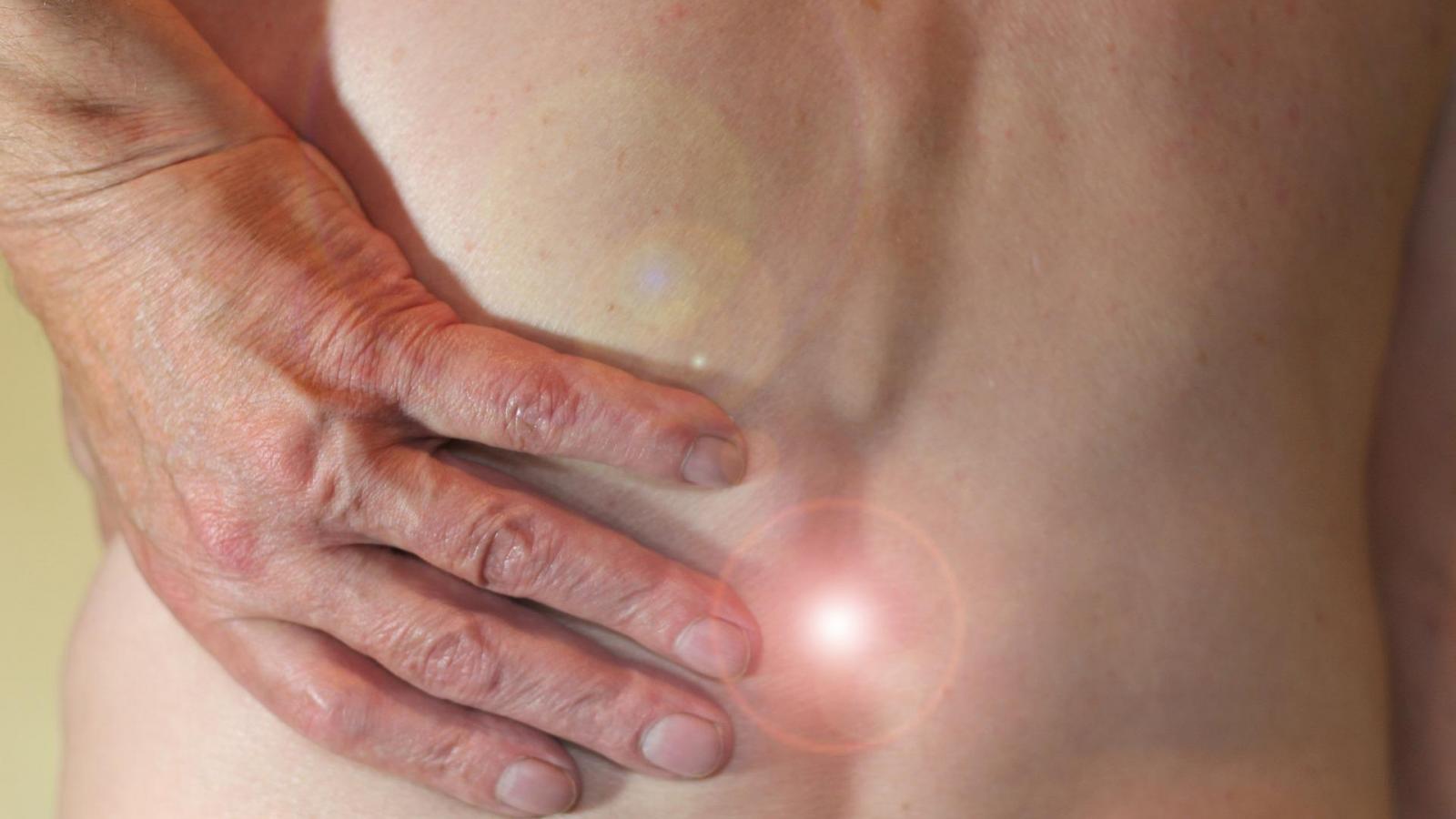
Science Translational Medicine has published results of a Canadian study of low back pain (LBP) suggests that pain control by anti-inflammatory treatments might have negative effects on pain duration and may be counterproductive for long-term pain outcomes.
UCB announced they have received a Complete Response Letter (CRL) from the U.S. Food and Drug Administration (FDA) regarding the Biologics License Application (BLA) for bimekizumab for the treatment of adults with moderate to severe plaque psoriasis (PSO).
Dr. Jack Cush reviews the news and journal reports from the past week on RheumNow.com. Bad news for digitial ulcers in Systemic sclerosis, Readmissions in Lupus and Thrombocytopenia in APL patients.

