
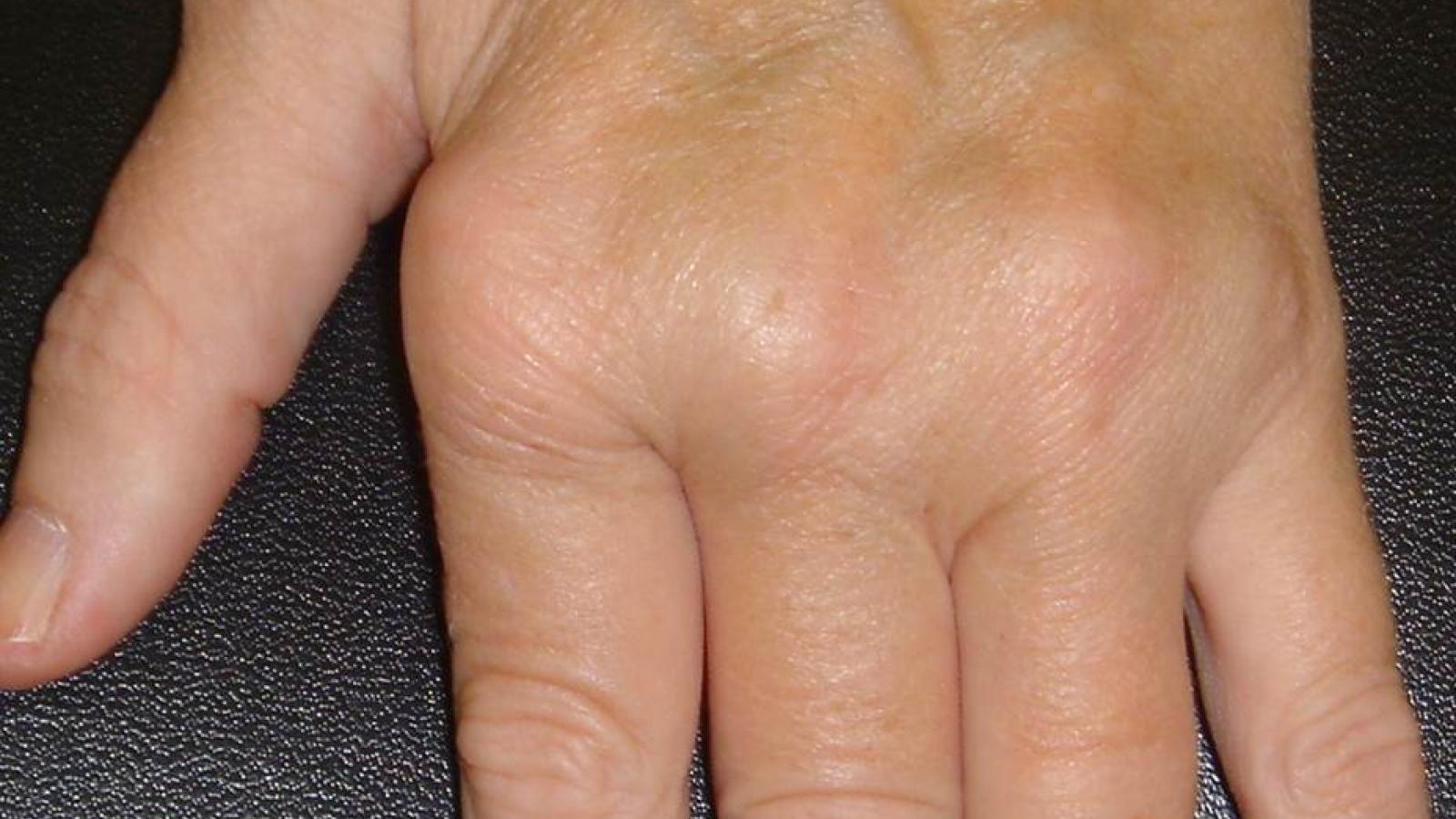
A novel biologic intervention trial has shown that subcutaneous, intermittent therapy with low-dose interleukin-2 (Ld-IL2) is potentially effective and safe in rheumatoid arthritis (RA).
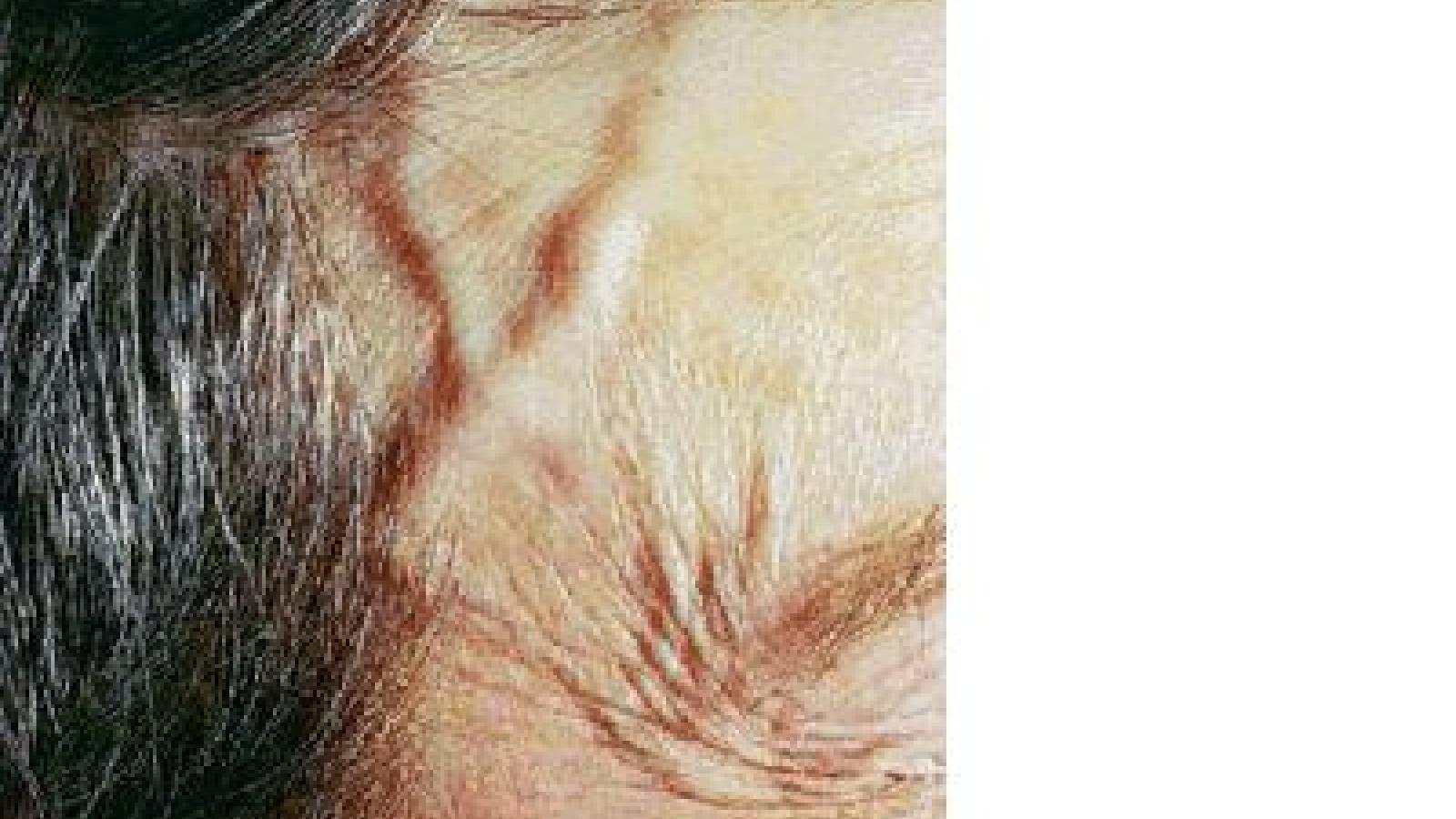
A phase II trial in patients with active giant cell arteritis shows that mavrilimumab, a monoclonal antibody against granulocyte-macrophage colony-stimulating factor [GM-CSF]) is capable of inducing clinical remission.
The risk of developing axial spondyloarthritis (axSpA) if you’re a first-degree relative (FDRs) of an ankylosing spondylitis (AS) patient has been deflined by a 35 year follow-up study showing that if you are a FDR of axSpA you may be at higher risk of acute anterior uveitis (AAU). Additionally, the risk of FDR developing axSpA can be augmented by asking 3 questions.
Dr. Jack Cush reviews the news and journal articles from the past week on RheumNow.com.
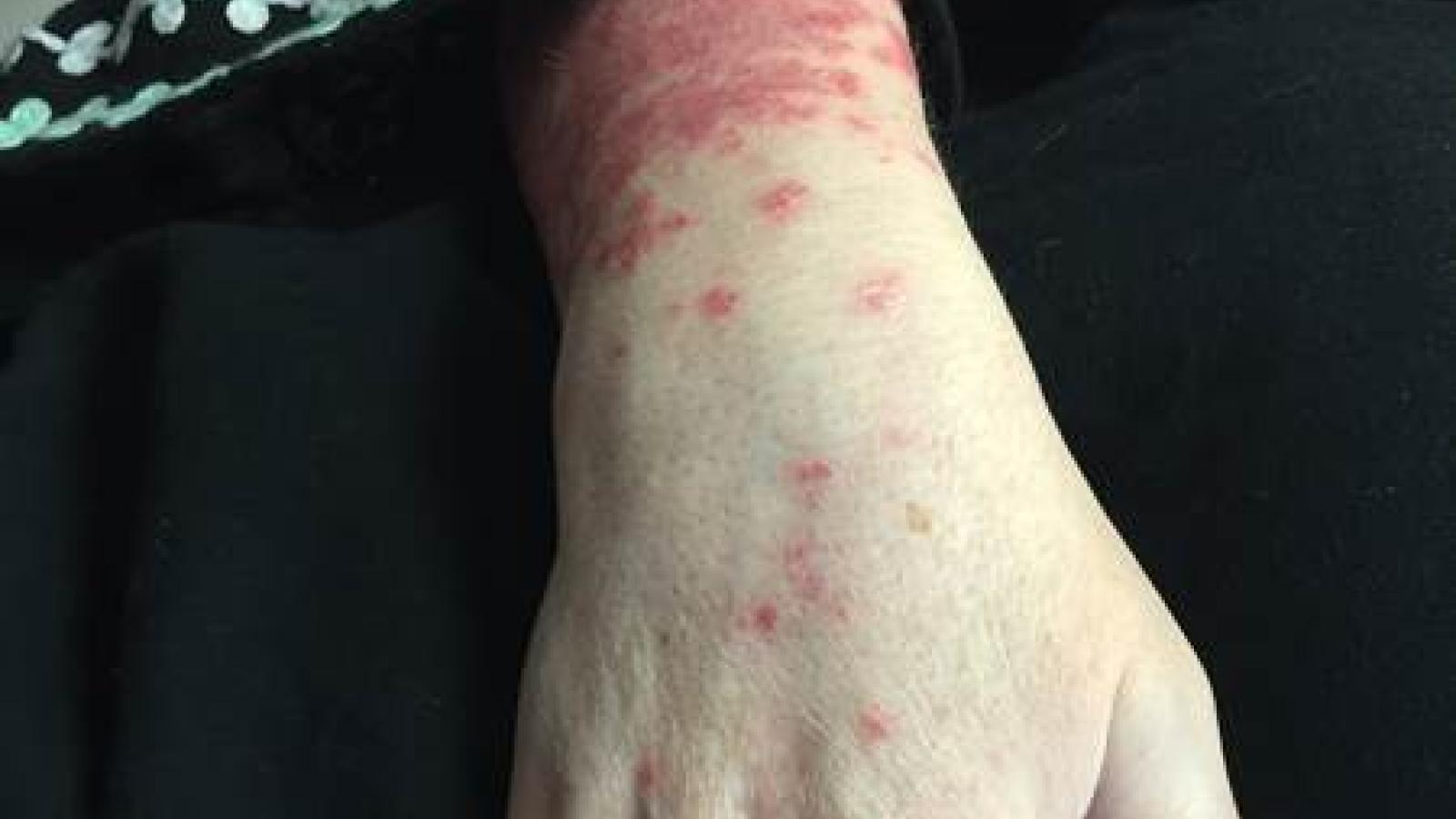
Deucravacitinib, a selective tyrosine kinase 2 (TYK2) inhibitor, was studied in a phase II trial of active psoriatic arthritis (PsA) patients and shown to be effective and safe.
This double-blind, phase II trial, enrolled 203 patients with active PsA and randomised them to either placebo, deucravacitinib 6 mg once a day or 12 mg once a day. The primary endpoint was the ACR-20 response at week 16.
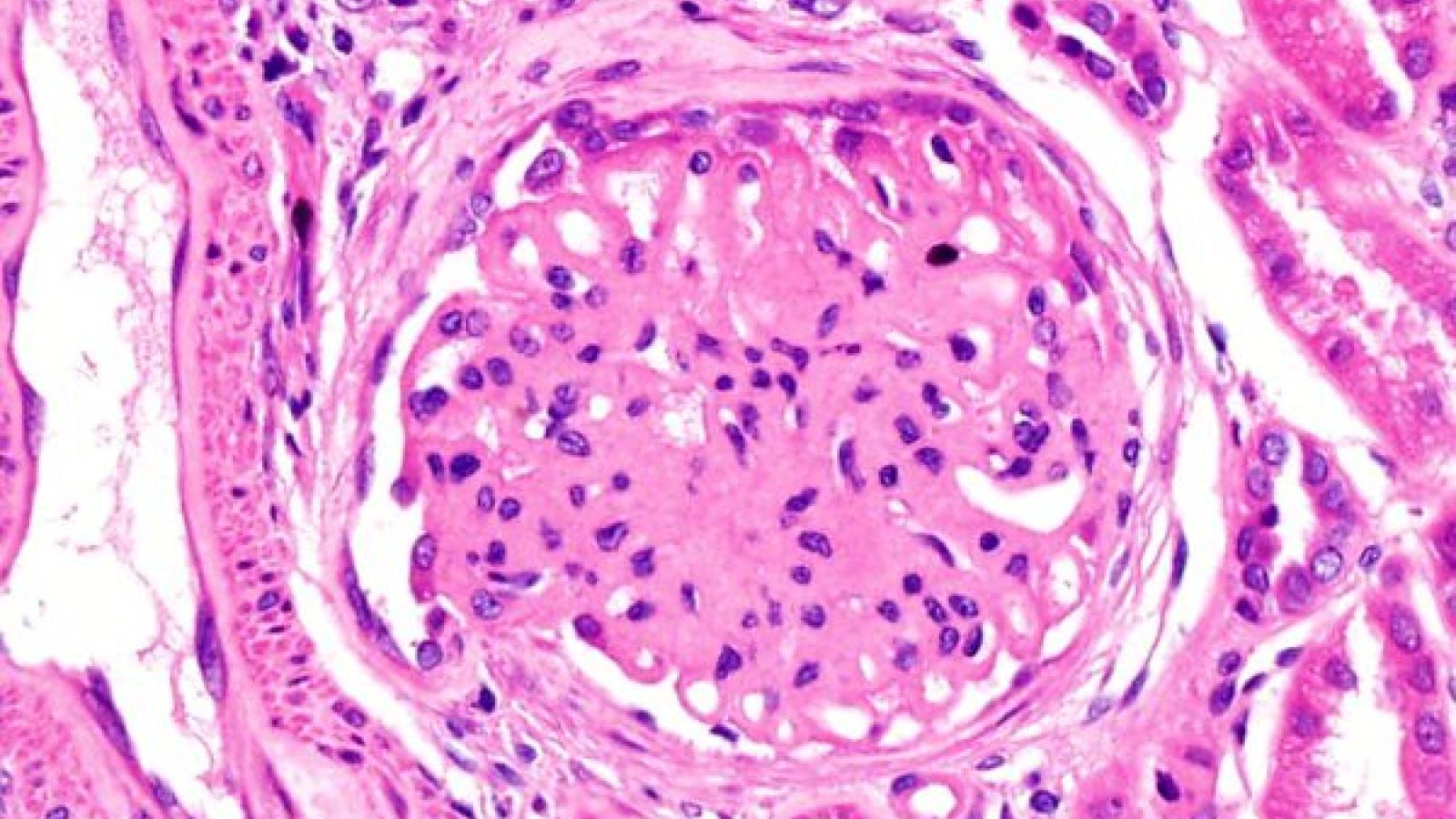
Anifrolumab is effective and FDA approved for use in systemic lupus erythematosus (SLE); and now, a trial in lupus nephritis that almost shows benefit.
A phase II double-blinded study looked at the efficacy of anifrolumab active, biopsy-proven, Class III/IV lupus nephritis taking background glucocorticoids and mycophenolate mofetil.
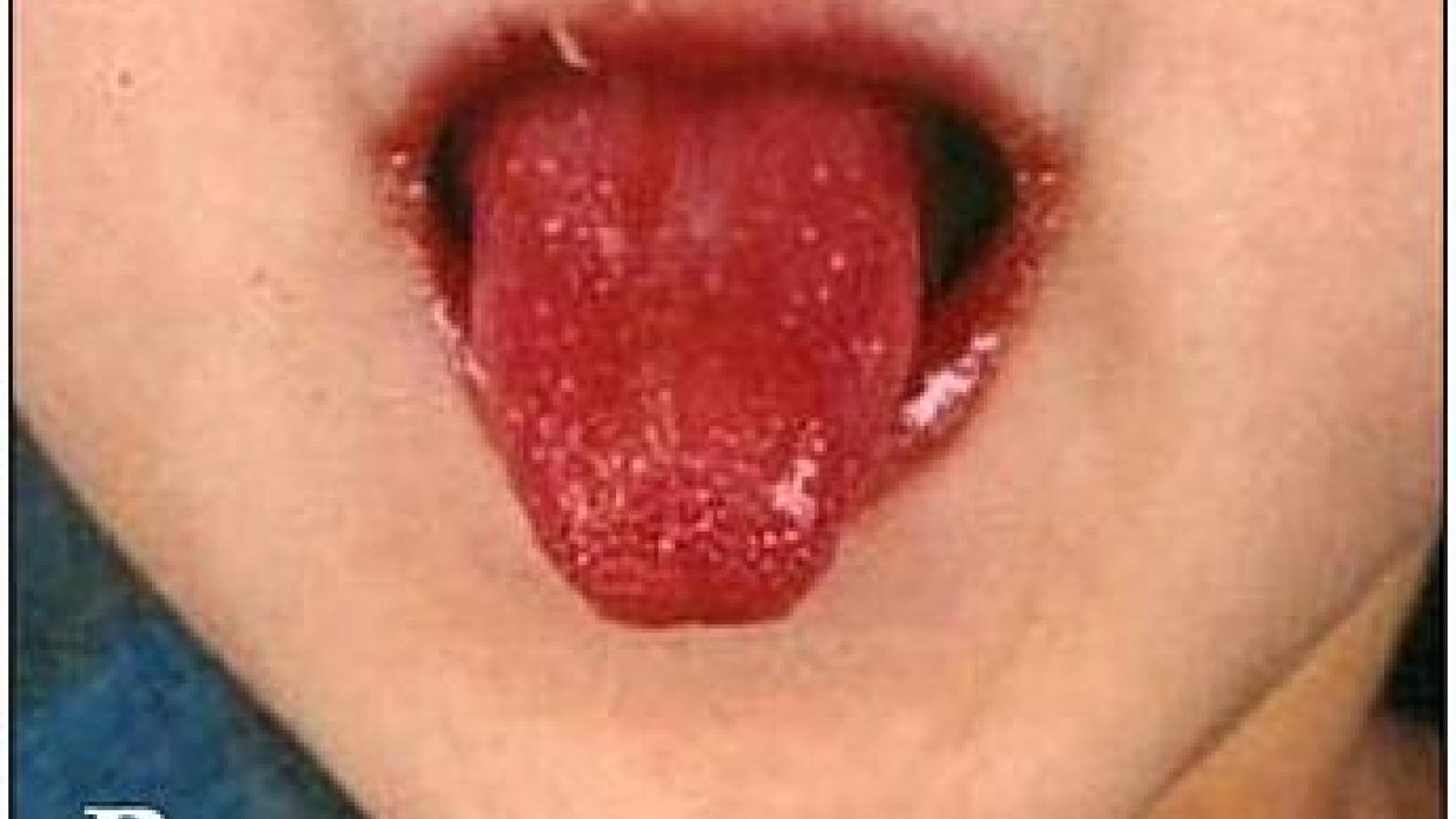
The American College of Rheumatology (ACR), in partnership with the Vasculitis Foundation (VF), released a new guideline for the management of Kawasaki disease that addresses diagnostic issues relating to Kawasaki disease, the treatment of high-risk patients, and the management of convalescent patients.
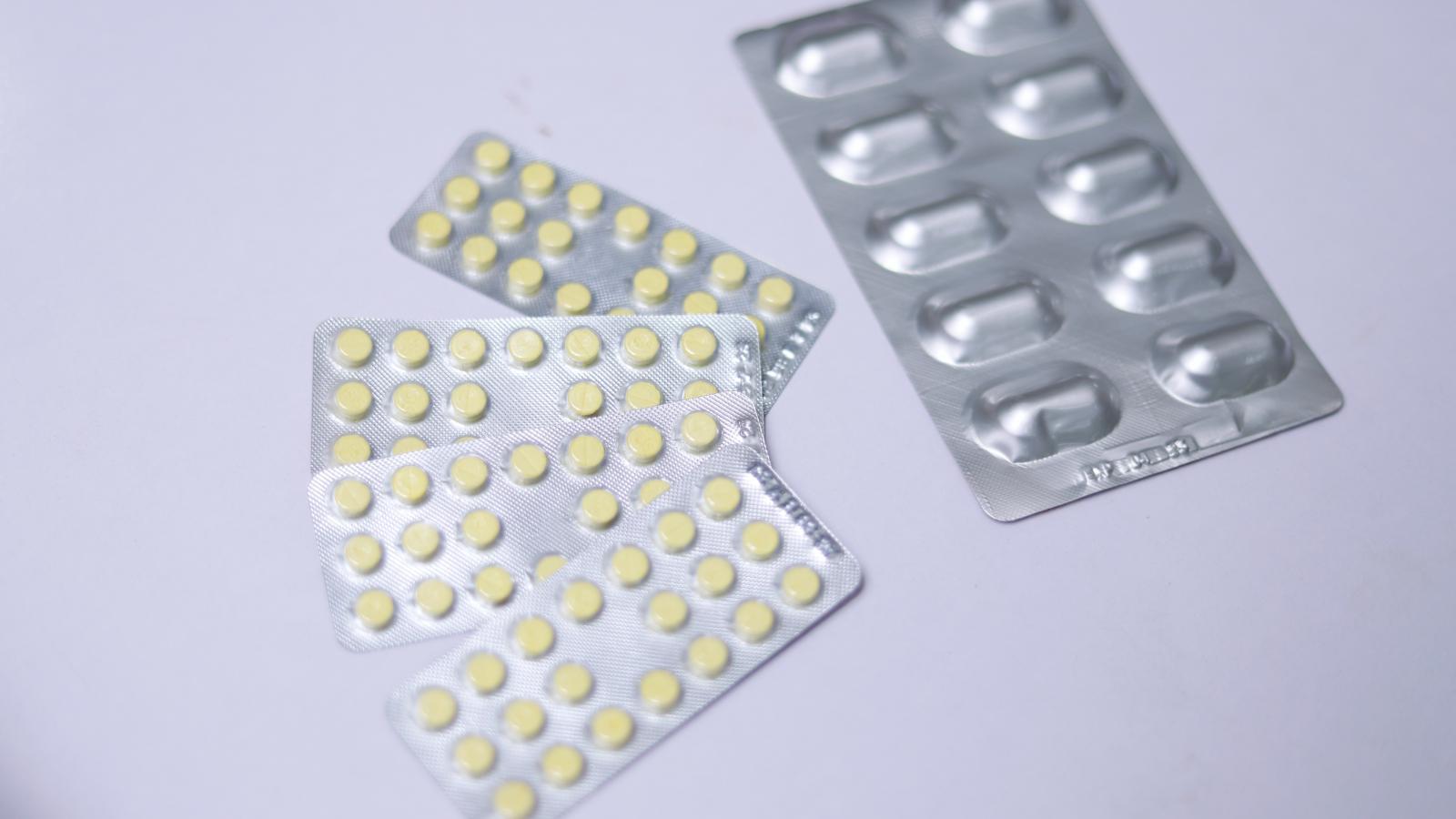
A recent study has shown that the combination of methotrexate (MTX) plus leflunomide (LEF) yields better disease control in psoriatic arthritis, but may not be as well tolerated as monotherapy with MTX.

Pre-print results of the RECOVERY Trial has shown that when baricitinib (BAR) is given to hospitalized severe COVID-19 patients, it results in significantly less mortality. BAR joins dexamethasone and tocilizumab as anti-inflammatory treatments capable of reducing the risk of death in COVID-19.
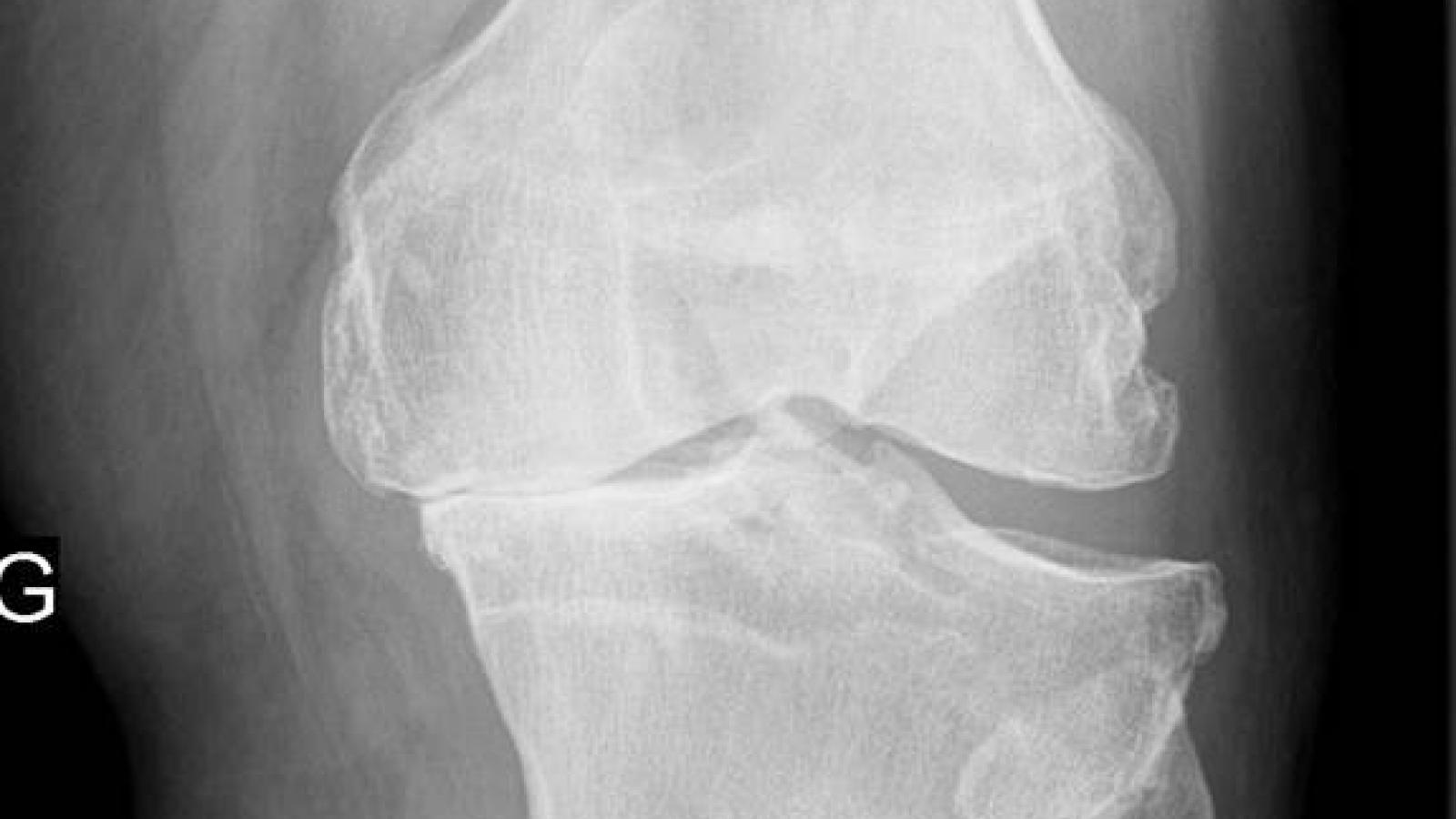
A promising therapy aimed at halting and even reversing the pathology underlying osteoarthritis (OA) of the knee failed to show any benefit in a randomized trial.
Neither clinical nor radiographic outcomes differed between patients who received pulsed low-intensity ultrasound (PLIUS) for 48 weeks and a sham-treated control group, according to Allen D. Sawitzke, MD, of the University of Utah in Salt Lake City, and colleagues.
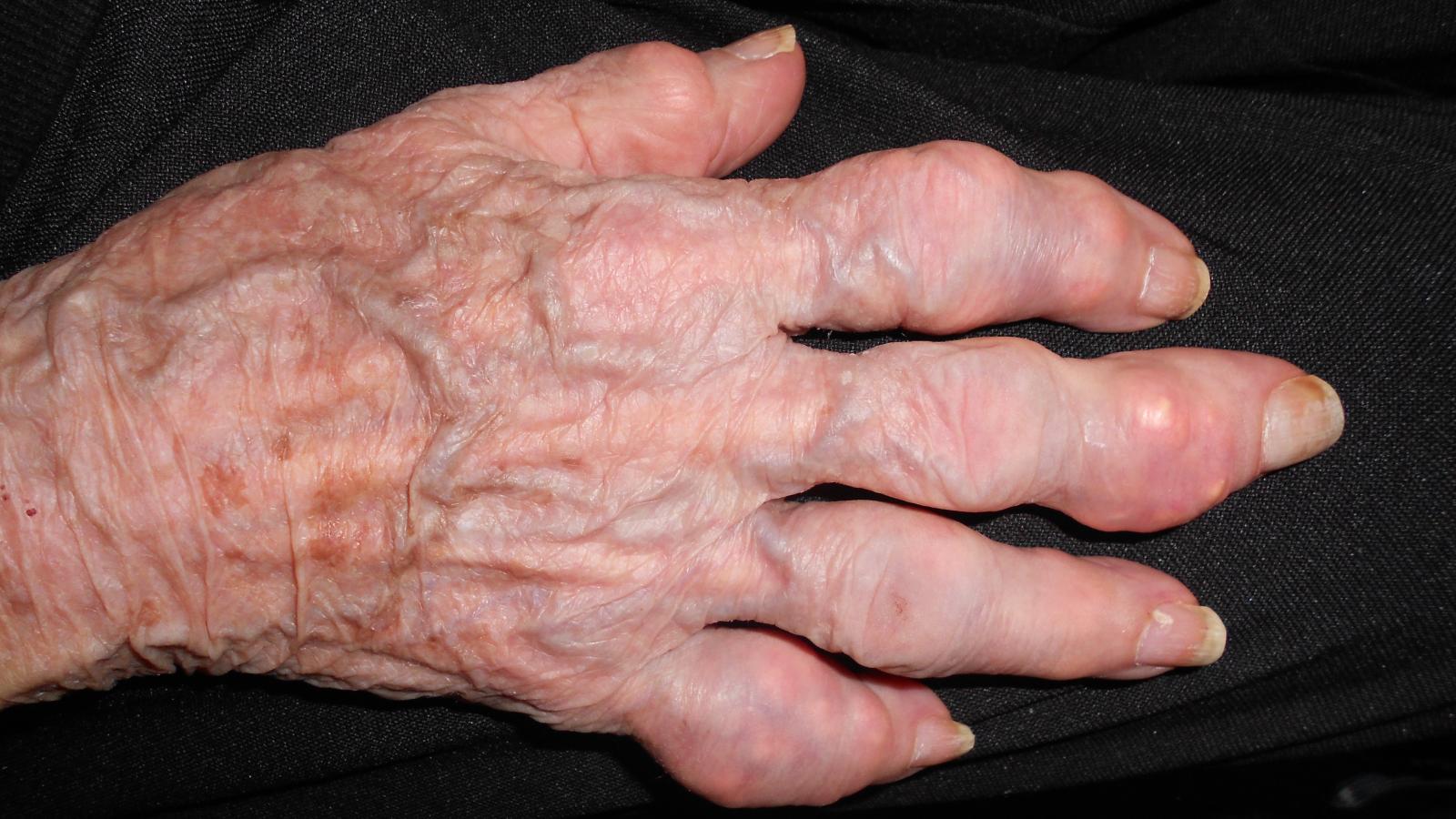
Gout is common but disproportionately affects certain groups (e.g., the elderly, Pacific Islander, Blacks). Ethnic links to gouts were also shown to be linked to modifiable behavioral factors and such information maybe useful in managing gout patients.

Undifferentiated arthritis (UA) is common in medical practice and many advocate early use of DMARDs; yet a recent study shows that despite DMARD use, UA patients do not fair well with this approach.
While there are criteria for UA, it is largely a diagnosis of exclusion. Moreover, there are few well controlled trials on DMARD efficacy in UA are absent.
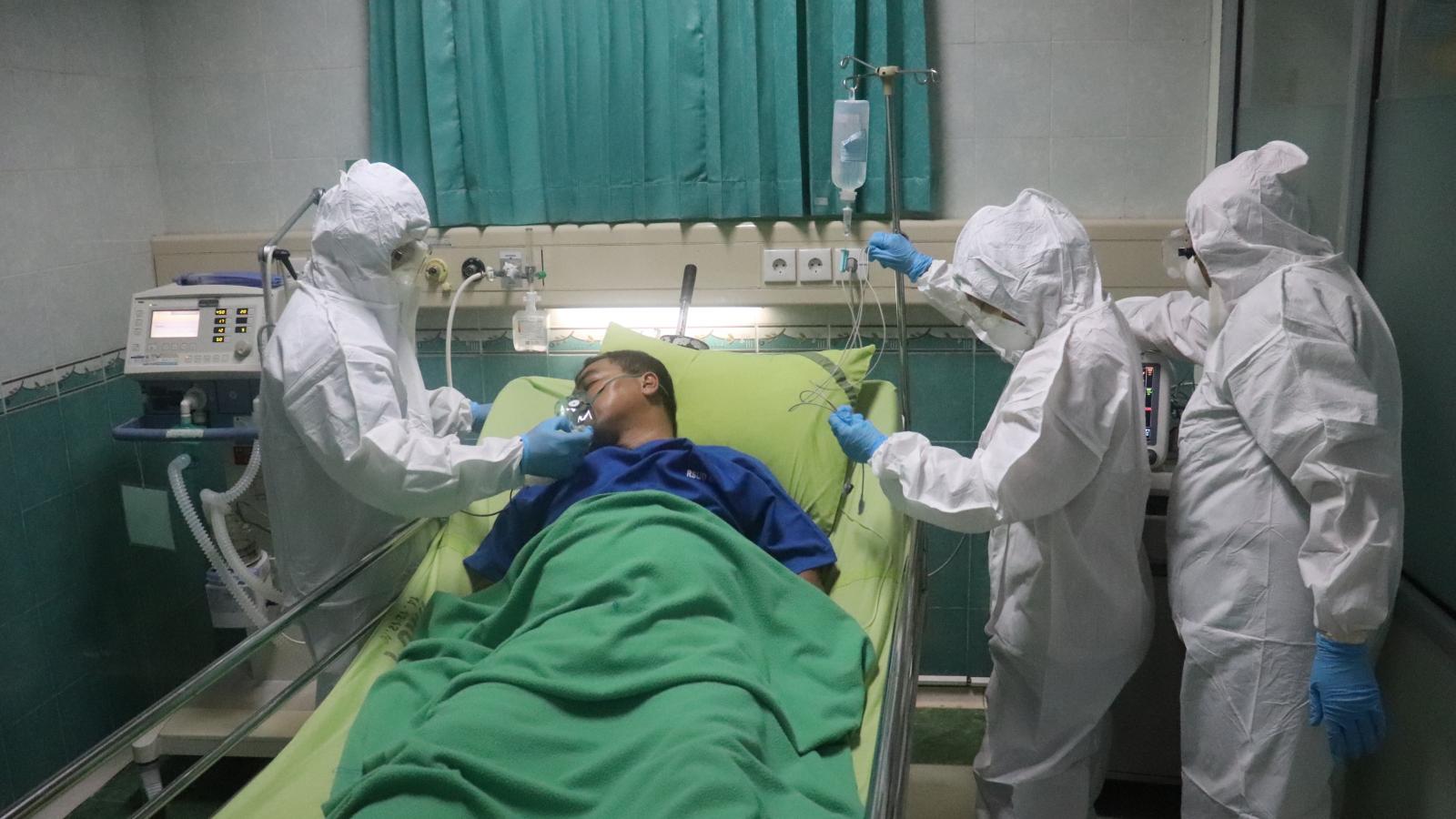
JAMA has published a meta-analysis of 15 studies of hospitalized patients with COVID-19 treated with tocilizumab and corticosteroids, showing that a clinically meaningful mortality benefit from tocilizumab (and steroids) was best seen in those not requiring invasive mechanical ventilation (IMV).
Dr Jack Cush reviews the news and journal reports from the past week on RheumNow.com.
This podcast is sponsored by RheumNow.live. The great future of rheumatology education is at RNL 2022.
The ACR has updated its clinical guidelines for the management of juvenile idiopathic arthritis (JIA), with this update focusing on oligoarthritis, TMJ arthritis, and systemic JIA (with and without macrophage activation syndrome); only the latter, systemic JIA recommendations are reported herein.

