

Dr. Jack Cush reviews the hot item takeaways from last week's RheumNow.Live 2026.

Rheumatologic care involves multidisciplinary approaches and collaboration with specialties to treat complex, systemic diseases. While many Pods at RheumNow Live are disease specific, the Pod II focused on Advancing Practice on important and emerging areas affecting rheumatologic patients. This session focused on two major areas of need: obesity and peri-operative management.

Sunday’s vasculitis session at RNL26 was a fantastic update on inflamed blood vessels, large and small, by two experts in the field: rheumatologist Dr. Mike Putman and dermatopathologist Dr. Clay Cockerell.

With apologies to Shakespeare, names are important. In health care, they can have ethical significance. The American College of Physicians has published a new ethics/position policy paper proclaiming that the term ‘provider’ should not be used to describe physicians, and using the blanket term undermines physicians’ ethical responsibility, clinical integrity, and professionalism.

The diagnosis and treatment of spondyloarthritis can present challenging clinical scenarios for rheumatologists. At RheumNow Live, Pod IV focused on "Staying Ahead of Spondyloarthritis", which reviewed diagnosis, complications and advances in SpA.
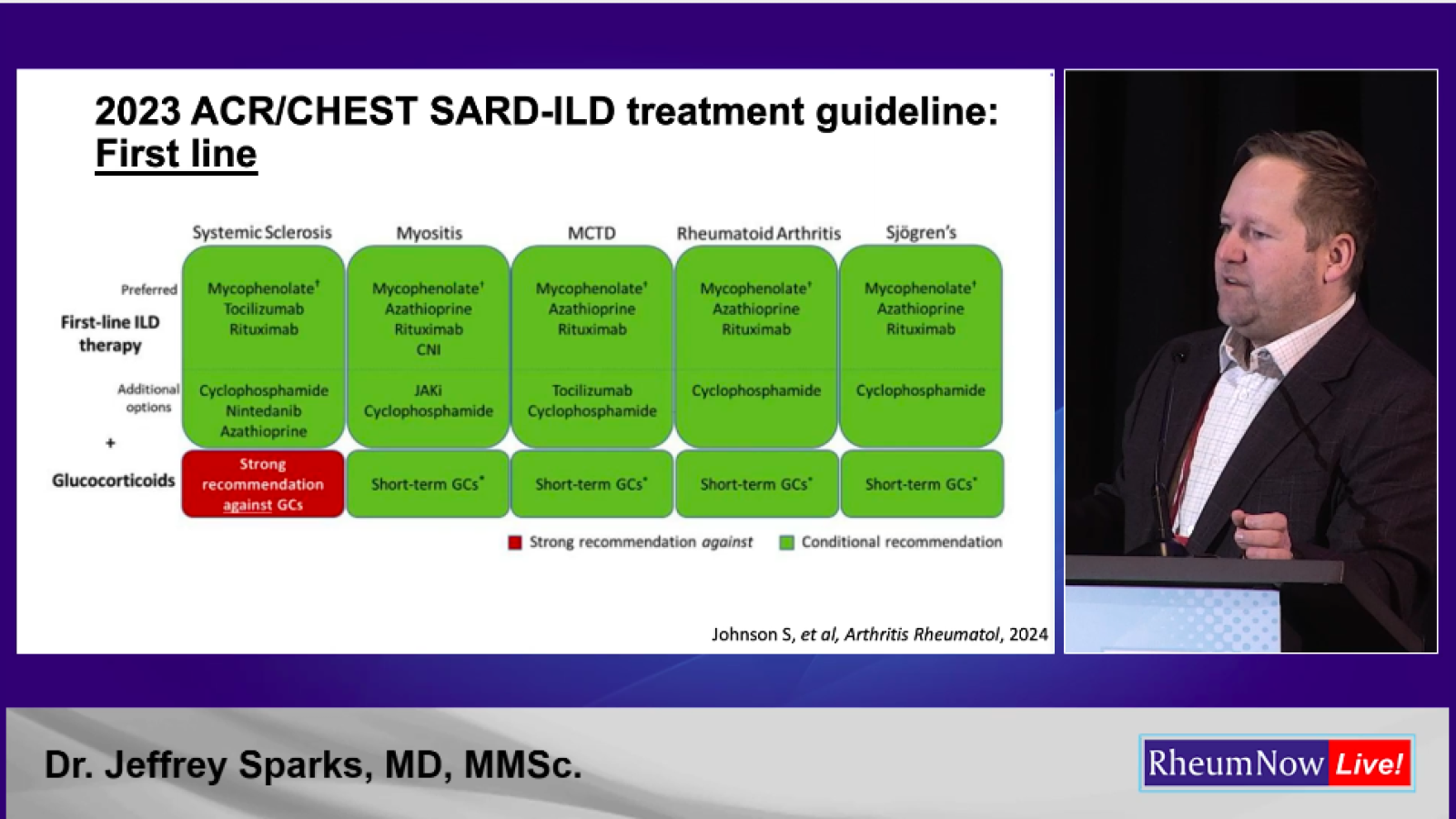
Dr. Jeffrey Sparks gave a state of the art update on Advances in RA-ILD, many of which he and his group have played a big part in, on Saturday at RNL26.
Dr. Jack Cush reviews the news, journal articles and regulatory news from this past week on RheumNow.com

The FDA has requested that Amgen voluntarily withdraw avacopan (Tavneos), a treatment for anti-neutrophil cytoplasmic autoantibody (ANCA)-associated vasculitis, but the company said it has no plans to pull the drug from the market.

The American College of Rheumatology (ACR) today applauded the recent passage of the Congressional CY 26 funding package that includes several important provisions, including extending Medicare telehealth payment flexibilities, improving transparency in pharmacy benefit management (PBM) practices, and advancing arthritis research.

Lancet Rheumatology has published the ALTO results - long term outcomes of the APIPPRA trial, demonstrating that treatment with abatacept (ABA) in at risk patients can delay progression to rheumatoid arthritis (RA) for up to 4 years.

A retrospective cohort study of patients with giant cell arteritis (GCA) demonstrates relapses are common and seen in nearly half of patients, were common after treatment is stopped and is not effectively averted by methotrexate (MTX).

A cost-effectiveness analysis compared FDA approved fibromyalgia drugs (pregabalin, duloxetine, milnacipran) with amitriptyline and found duloxetine was the preferred strategy across perspectives.

Natalie McCormick, PhD, of the Rheumatology and Allergy Clinical Epidemiology Research (RACER) Center within the Division of Rheumatology in the Mass General Brigham Department of Medicine, is the lead author of a paper published in Diabetes Care, “

Arthritis Society Canada (ASC) is Canada’s largest charitable funder of cutting-edge arthritis research, investing more than $240 million in research projects since its founding, and over $7 million invested in 2024-2025. Below are the investigators and projects that were funded in 2025.
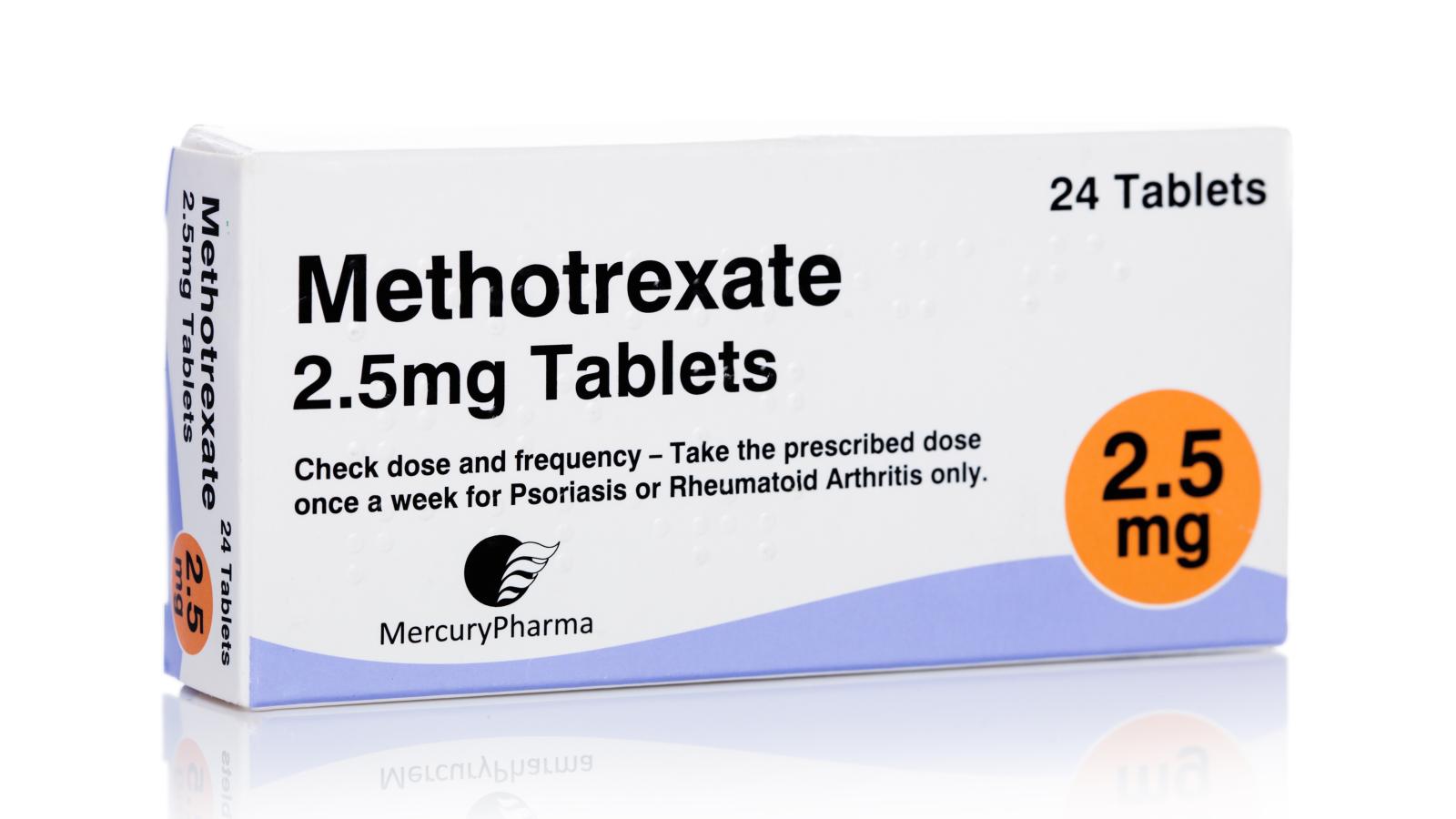
A current large rheumatoid arthritis (RA) cohort study from Cairo assessed methotrexate (MTX) use and found over half were MTX intolerant and a third of patients were noncompliant with MTX.

