

Drs. Jack Cush and Martin Bergman review the topic of treat-to-target (T2T) management in rheumatology.
Both will debate the pro's and con's of the T2T strategy at the upcoming RWCS meeting on Feb. 17, 2022.
You can register and learn more about the meeting at: https://r-w-c-s.com/2022/

Patients with clinically suspect arthralgia can represent a challenge for clinicians, in a sense that there are not yet reliable markers to predict evolution to clinical RA nor enough evidence to support routine prescription of conventional synthetic DMARDS or biologic treatments in this setting.

Excess adiposity and genetic predisposition both contributed to risk of gout among U.S. women, with the risks being highest when both factors are present, a large prospective study found.

Should we start considering therapeutic drug monitoring when prescribing TNFi for treatment of our rheumatologic conditions?

The 2021 Nobel Prize in Medicine and Physiology was jointly awarded to Drs. David Julius and Ardem Patapoutian for their discoveries of receptors for temperature and touch. Their work on neural signaling of heat and touch (tactile) relate to many physiologic conditions including chronic pain.

Annals of Internal Medicine has reported the results of a randomized clinical trial showing that telehealth-delivered exercise and diet programs improved pain and function in knee osteoarthritis patients who were overweight. While both were beneficial, exercise had a greater effect than dietary instruction delivered by telehealth.

Vacuoles, E1 enzyme, X-linked, autoinflammatory, somatic syndrome (VEXAS) took the centre stage when it was first introduced at ACR20 last year. It got everyone’s thinking that they might have encountered one or two patients in their rheumatology lifetime who might have this condition. One year on, more cases have been reported and this article summarises some breakthroughs pertaining to research in VEXAS.

Based on the safety review of tofacitinib in Pfizer's Oral Surveillance (1133) study, the FDA has added serious boxed warnings to all three marketed JAK inhibitors (for inflammatory diseases) and formalized the recommendation that patients should be started on a TNF inhibitor (TNFi) before trying a JAK inhibitor. These recommendations apply to tofacitinib, baricitinib and upadacitinib.

A remaining challenge for clinicians is the ability to delay, if not completely stop, structural progression in patients with axSpA, whether they are diagnosed with radiographic (r-axSpa) or non-radiographic (nr-axSpA) disease.
In spite of the transformative growth of telemedicine during the COVID-19 pandemic, rheumatologists use of telemedicine is waning, much like the use of masks. Dr. Jack Cush interviews telemedicine guru, Dr. Alvin Wells, on the current state of telemedicine and what the future holds for telehealth in rheumatology.

Rheumatoid arthritis (RA) has been linked to a higher risk of dementia and cognitive dysfunction, but interestingly this association has diminished in the last few decades with aggressive DMARD and targeted therapies..
This makes sense when you see that dementia in RA is associated with age, prior cardiovascular and cerebrovascular events and the severity of joint involvement.
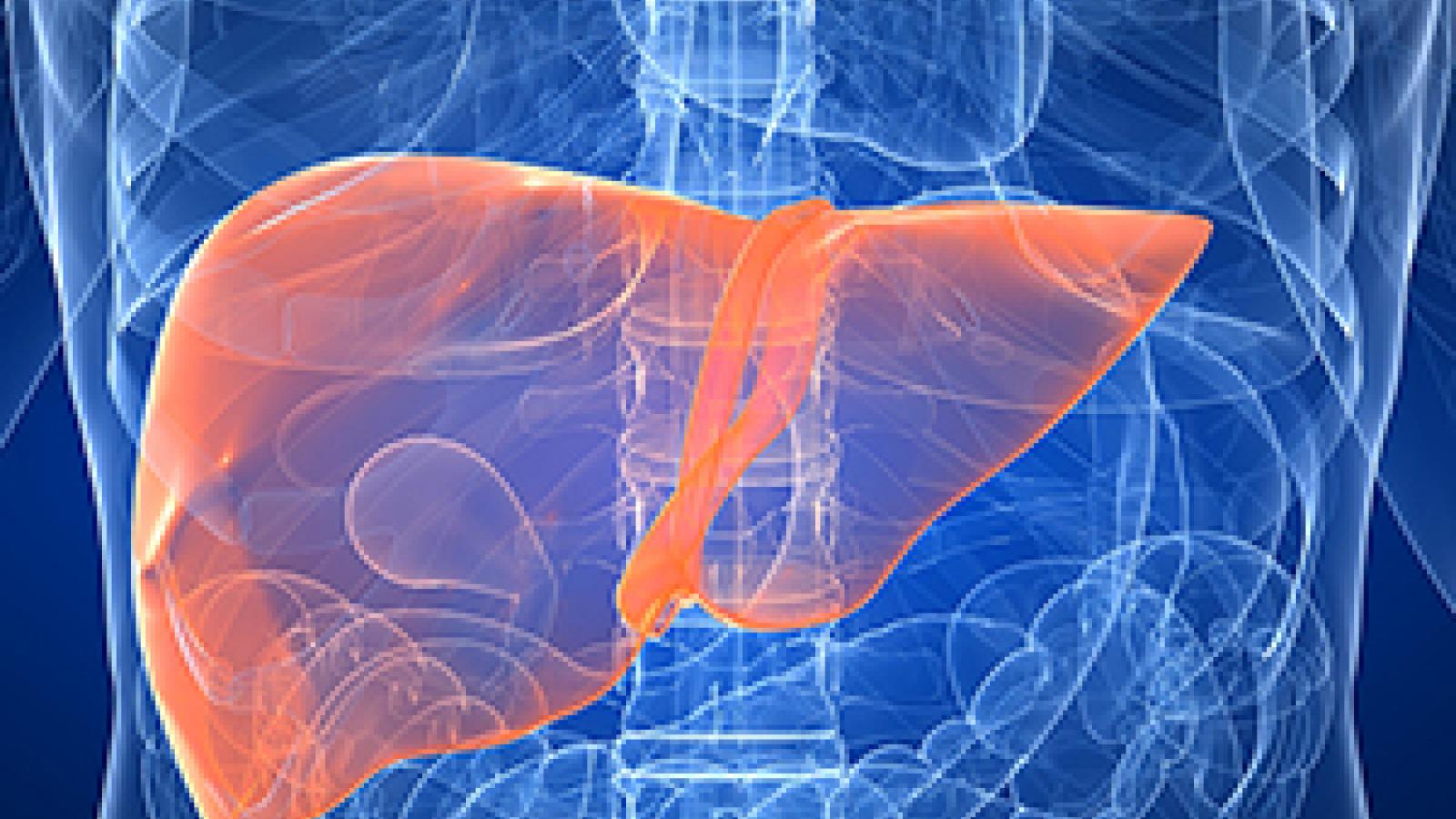
Methotrexate may be a rheumatologist’s best friend, but a key part of counselling any patient about its use has always been the risk of hepatotoxicity. Despite methotrexate’s near-ubiquitous use in rheumatology, and the consequent frequency of patient counselling about it, relatively little is known about what precautions are absolutely required, a situation which might otherwise provoke anxiety for patients.

Uveitis is the most frequent extra-musculoskeletal manifestation (EAM) in Axial Spondyloarthritis (axSpA). The prevalence of uveitis in axSpA is between 25-30%. Up to 50% of patients with an acute episode of uveitis develop recurrent anterior uveitis or iritis. Being such a prevalent EAM in axSpA, we should focus on this condition. There have been some updates on uveitis in SpA at #ACR21 which I will share here.

Pulmonary complications in the setting of Still's disease (juvenile and adult) has seldom but consistently been reported, including reports of pneumonitis, pulmonary hypertension and a severe or fatal lung disease, often associated with hypersensitivity to anticytokine therapy. A multicenter study reports that drug hypersensitivity and pulmonary reactions in Still's patients receiving IL-1 or IL-6 inhibitors is strongly associated with HLA-

Since the start of the pandemic, hydroxychloroquine (HCQ) was forced into the limelight for the prevention/treatment of COVID-19. When it was found to be ineffective for COVID-19 and might cause potential harm, the drug came under closer scrutiny for its safety profile.

