

Proponents of treat to target in systemic lupus erythematosus (SLE) have all agreed that "remission" should be the goal, but defining remission may be tricky in SLE. A SLE Definitions Of Remission (DORIS)Task Force was convened in 2015 and first published their work in 2016.

Giant cell arteritis is associated with significant treatment related morbidity due to the dependence on glucocorticoids as a treatment option. After sixty years of therapeutic stagnation, these are exciting times in the management of GCA. At this year's ACR Convergence meeting, encouraging data will be presented on options for GCA.

Dr. Jack Cush interviews Professor Edward Keystone, MD (University of Toronto) on the origins and science behind the 60/40/20 benchmark and outcomes in rheumatoid arthritis.
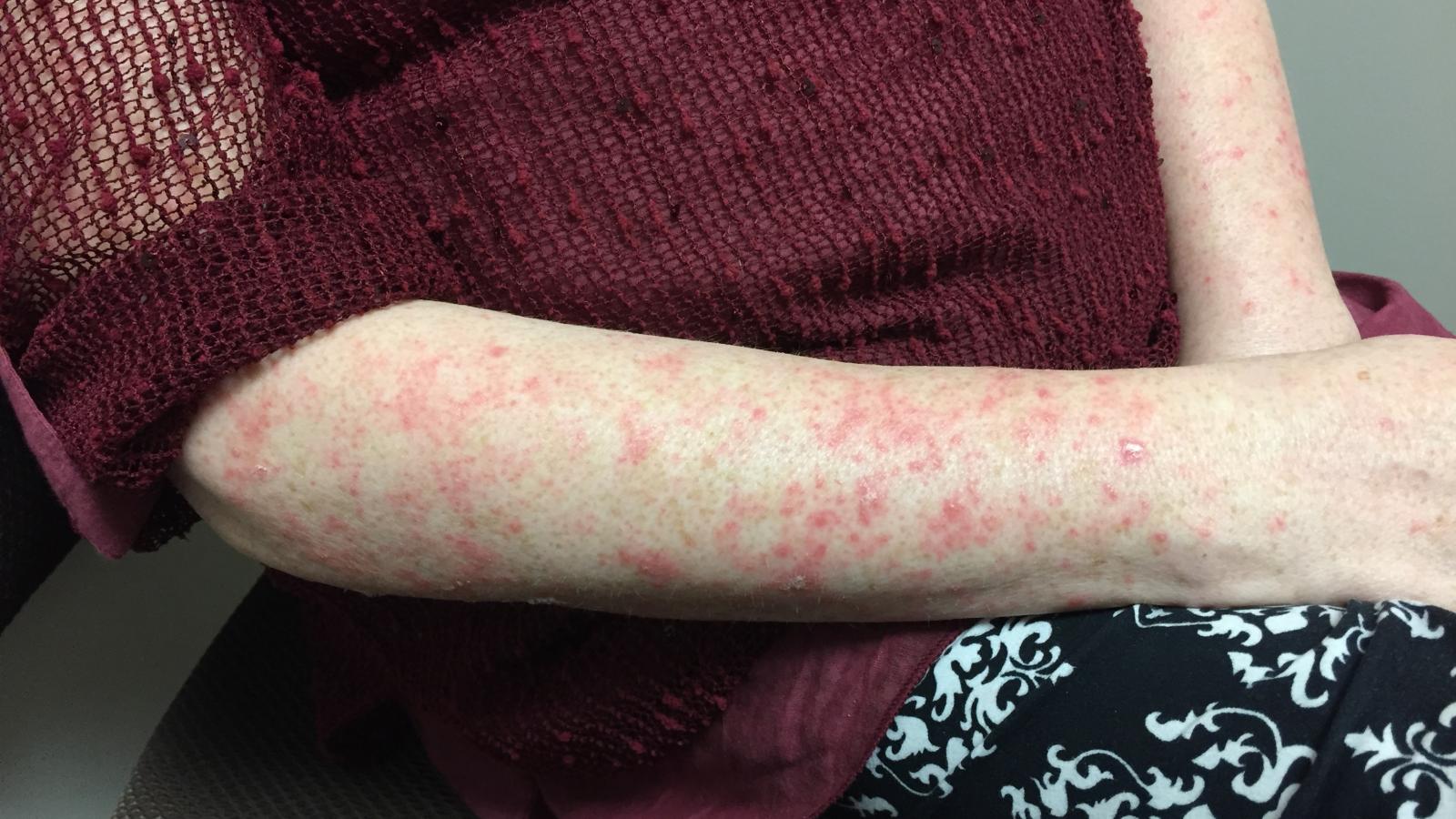
The arsenal of therapeutics for psoriatic arthritis continues to increase. Risankizumab is an IL-23 inhibitor to the p19 subunit, currently being investigated for treatment of psoriatic arthritis.

Appropriate assessment and management of comorbidities and multimorbidity in patients with RA is vital for overall health and well-being of the patient, as well as to encourage treatment adherence, and address social, psychological and quality of life factors.

Little is known about the safety of newer biologic use during pregnancy, especially in patients who either conceive while on a biologic or must remain on a biologic during pregnancy (often the case with IBD and inflammatory arthritis).

Growing awareness of spondyloarthropathies over the last two decades has led to a better understanding of the pathophysiology of spondyloarthritis, and subsequently increased interest in more distinct, disease state specific treatment options.

Dr. Jonathan Kay's provocative video addresses whether the increased cancer risk associated with tofacitinib (Tofa) seen in the Pfizer Oral Surveillance (1133) study represents a real increased risk, an increased risk relative to a decreased risk with TNF inhibitors (TNFi) or an actual decreased cancer risk (unknown as there was no placebo comparator in this trial).

In rheumatoid arthritis we have a wide range of options available to us when we progress to a biologic treatment option. We have little to differentiate between these agents based on the clinical trials. We often make our choices based on minor hints from clinical features, comorbidities, or cost considerations.

It is almost a year since the Pfizer-BioNTech SARS-CoV-2 vaccine has been made available by the FDA under emergency use authorization (EUA). The question still being asked is whether the vaccine is safe for people with lupus?

How to best book patient appointments in rheumatology clinic? Should these be scheduled every 3 or 4 months regardless of patient status? Should they be scheduled by patient need or disease activity?

Surely you’ve seen this or been plagued by this patient, one that is not doing well, in need of a new regimen; you outline it, timeline it, define the side effects and send them off with a new prescription.. But you later find out they did not change, did not fill the prescription. Why were they resistant, unwilling to change?

My research shows that up to 50% of rheumatologists measure something in the course of their daily assessments, and RAPID3 is most popular, being employed by 31% of rheumatologists.

There were several hot topics at ACR21. Here I concentrate on top abstracts in vasculitis.
The GLORIA study (ABST# 1678) was a pragmatic, blinded placebo-controlled randomized trial from Dr. Martin Boers and colleagues where they assessed whether prednisolone (vs. placebo) use would alter clinical outcomes over 2 years.

