
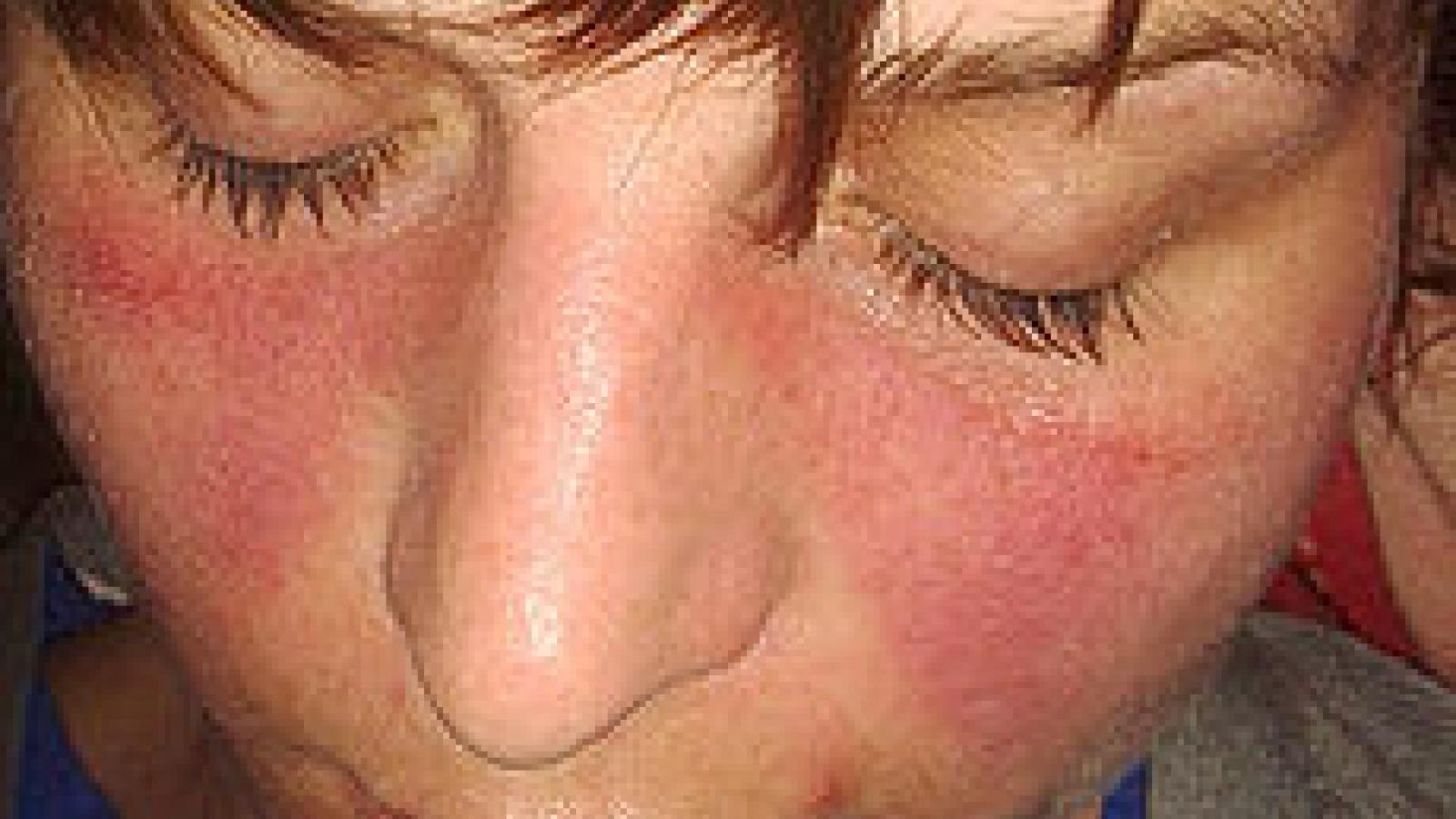
Patients with systemic lupus erythematosus (SLE) had two to four times higher risk for serious infection requiring hospitalization, a nationwide Swedish study found.
Smartphones and diet; COVID-19 and the numbers - reassuring or not, and what about masks?; and do more drugs mean more switching, less persistence, and patient adherence goes up...or down? All this and more news and journal reports in this week's episode.

In comments submitted to the Centers for Medicare and Medicaid Services (CMS), the American College of Rheumatology (ACR) shared its perspective on the CY 2022 Medicare Physician Fee Schedule and Quality Payment Program proposed rule.

A retrospective records review of patients with periodic fever syndromes (PFS) receiving IL-1 inhibitor treatment with canakinumab (CAN), shows CAN to be effective and safe in a variety of PFS patients.

A smartphone-based symptom study of COVID-19 patients has shown that a healthy plant-based diet was associated with lower risk and severity of COVID-19, especially amongst those living in areas with higher socioeconomic deprivation.

CARRA (Childhood Arthritis and Rheumatology Research Alliance) has compared 3 different treatment strategies for polyarticular JIA to identify the optimal time to biologic regimen.

I've sent more than 2,000 tweets since joining Twitter in July 2010. Even better, I've read (and sometimes shared) thousands of other educational, informative and sometimes humorous tweets from fellow rheumatologists, physicians, healthcare providers and others around the world. While following individuals and organizations relevant to you is important, so is following hashtags. Here are three I recommend.
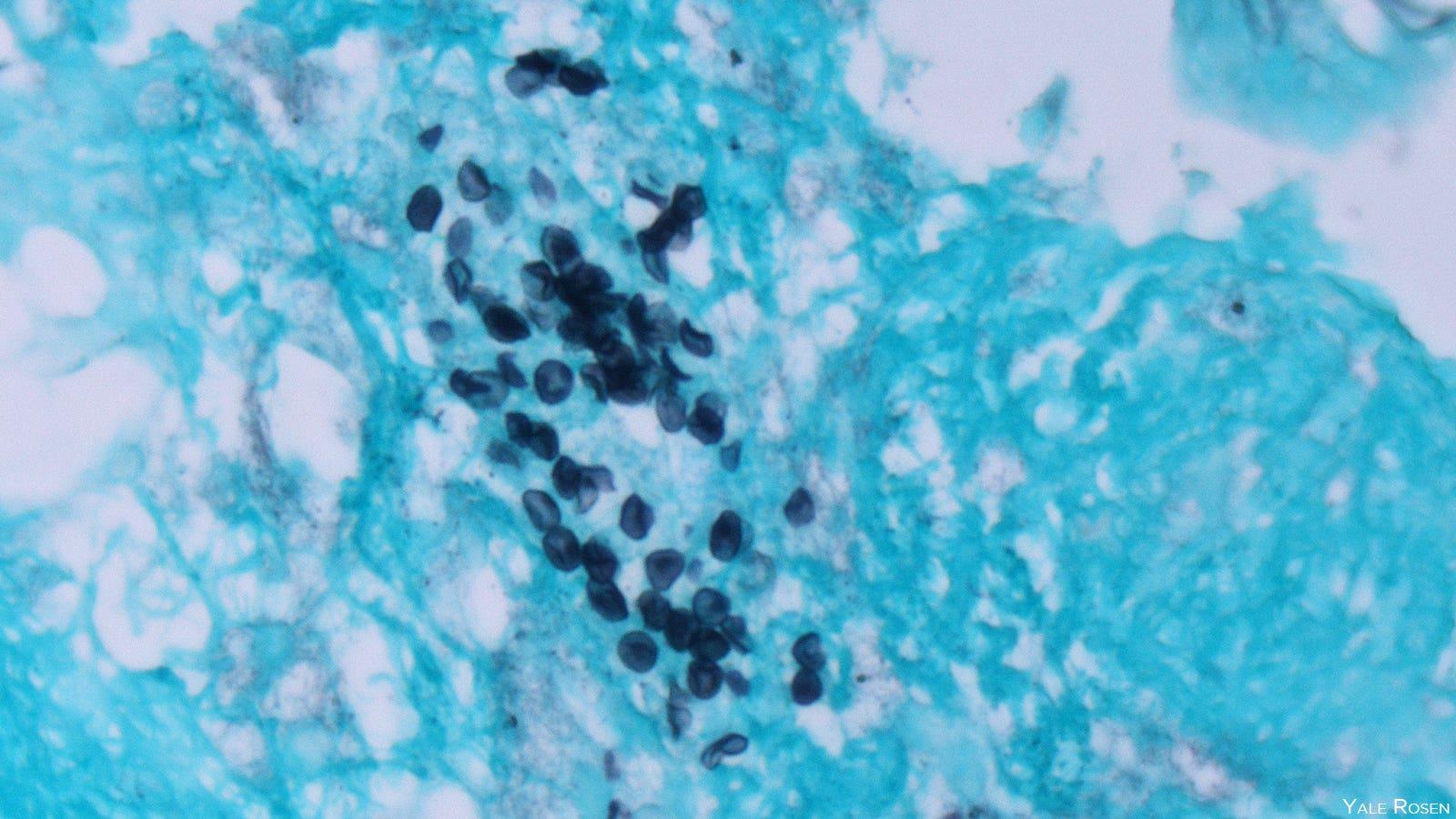
Patients with dermatomyositis who were positive for a myositis-specific antibody had a much higher incidence of and mortality associated with Pneumocystis jirovecii infection than patients with other antibody-negative idiopathic inflammatory myopathies, Chinese researchers found.

Mease and colleagues have catalogued the current practices assessed in the CORRONA registry, noting that increased DMARD switching and decreased time on a given therapy by US physicians.
This retrospective analysis assessed treatment patterns among patients newly initiated on biologic and/or nonbiologic RA therapy within the US Corrona RA registry between 2007 and 2015.

Following is a statement from ACR President David Karp, MD, PhD, on JAK inhibitors and FDA drug safety communication.
This week: high science that affect future treatments; breakthrough infections in our patients, and what's up with that; and soon your radiologist is going to be replaced by AI. This and more in our review of the news and journal articles from the past week.

The FDA has again extended its decision on whether the manufacturers of vaping products can market their e-cigarettes in the United States.
Previously, the manufacturers (Juul, Vuse and Blu) were given until September 2020 to submit data to the FDA on the use and safety of these vaping products, but were given a one year grace period without FDA enforcement, while the agency reviewed their applications.
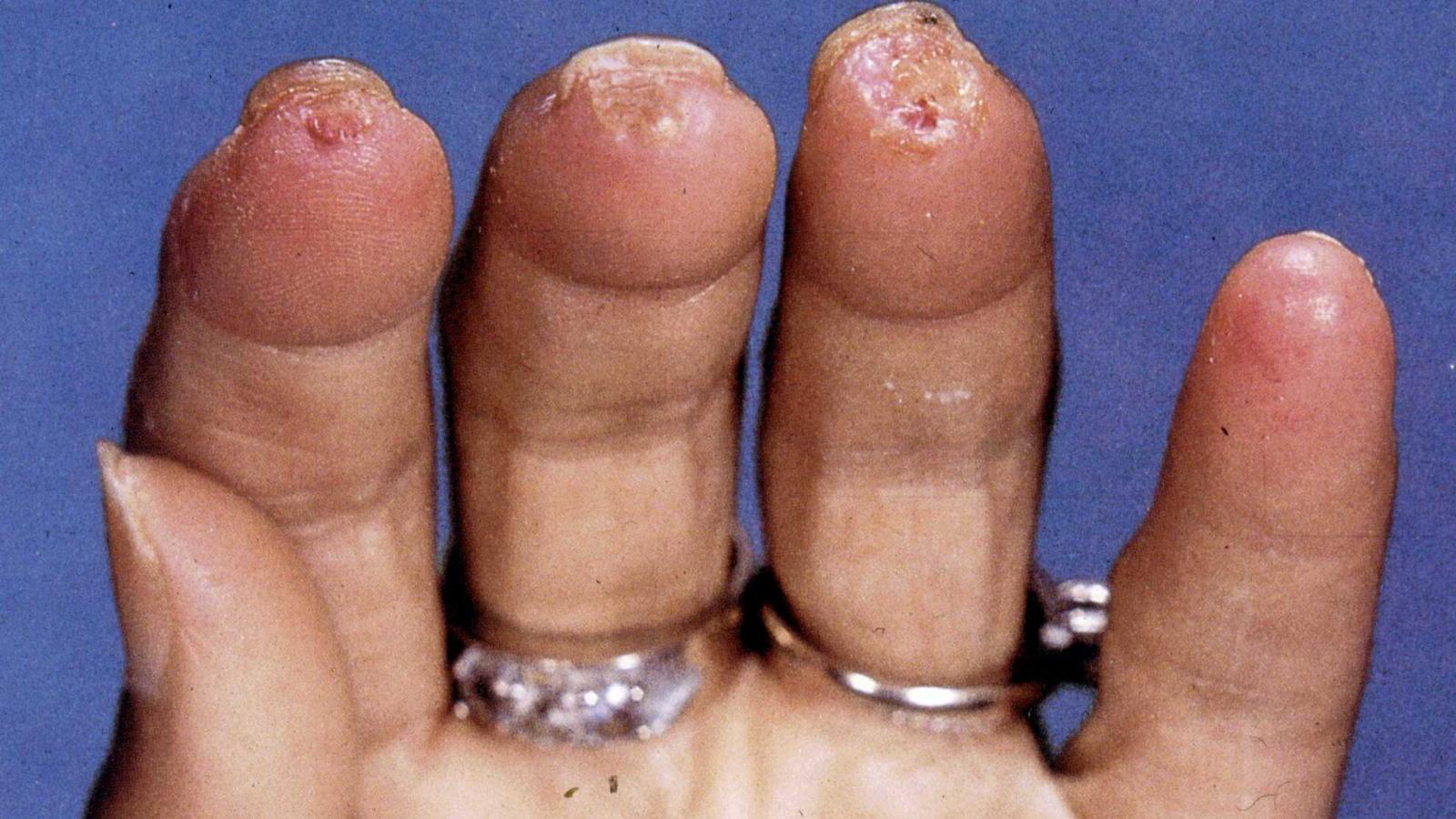
A retrospective study of systemic sclerosis patients shows that acute hospitalization and mortality were not uncommon and were often linked to SSc-related lung disease.
Record review of 95 SSc patients from a single-centre cohort seen between 2010 and 2020 found that over half (53 patients) required acute hospitalization, with a total of 164 admissions.
The most frequent causes for hospitalization:

Among patients with rheumatoid arthritis (RA), the strongest risk factors for the development of lymphoma were disease activity and severity, French researchers found.
In a multivariate analysis, having a high Disease Activity Score in 28 joints (DAS28) at baseline conferred twice the risk for lymphoma, with an odds ratio of 2.09 (95% CI 1.41-3.38), according to Gaetane Nocturne, MD, of Hôpital Bicêtre in Ile-de-France, and colleagues.
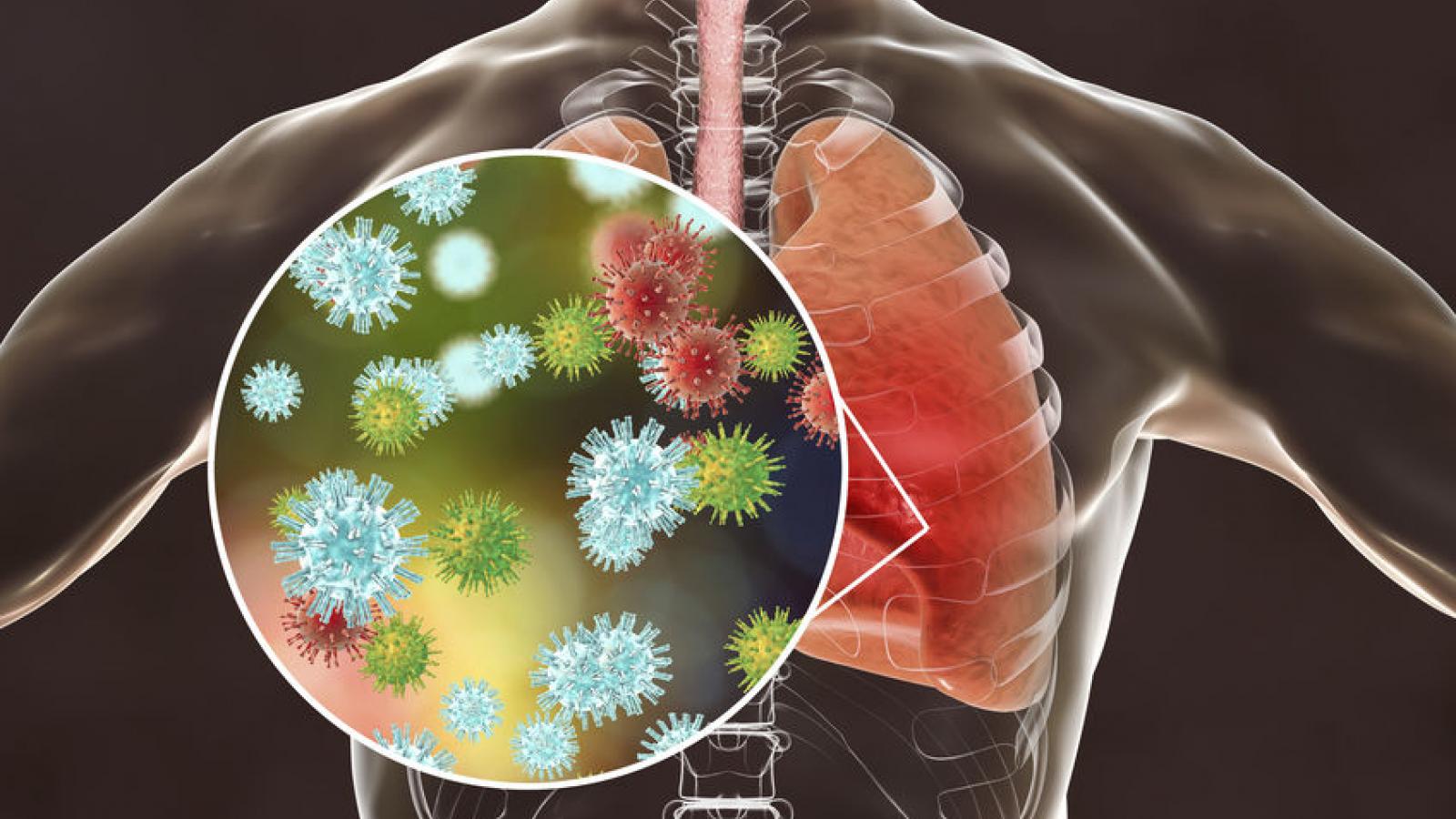
Analysis of records from the Mass General Brigham healthcare system in the Boston area, shows that breakthrough infections (after receiving SARS-CoV-2 vaccines) in patients with systemic autoimmune rheumatic diseases (SARDs) are not uncommon, and may be severe or fatal.

