
JAMA reports a safety survey of hospital employees showing that the risk of anaphylaxis from mRNA vaccines is 2.47 per 10,000 individuals.
Prior studies suggested the risk of anaphylaxis to the mRNA COVID-19 vaccines may be as low as 2.5 - 11.1 cases per million doses and that such reactions are more likely in those with a history of allergy.

There is a growing body of evidence regarding COVID-19 outcomes (including death) in rheumatic disease patients; analysis of a German registry shows that poor control, rituximab, sulfasalazine and other immunosuppressives could be risk factors for COVID-related death.

On Feb. 27, the Food and Drug Administration announced it has issued an emergency use authorization for Johnson & Johnson’s one-dose Covid vaccine, making it the third COVID-19 vaccine to be commercially available. We've compiled a comparison table and some key information relevant to your delivering patient guidance henceforth.
Among 330 million Americans, roughly 32.1 million have been fully vaccinated and 61.1 million have received at least one dose of a COVID-19 vaccine (as of March 8th).

Incident or worsening colitis is a rare complication of IL-17 inhibitor therapy; a real world study confirms very low rates of new IBD in patients starting secukinumab.
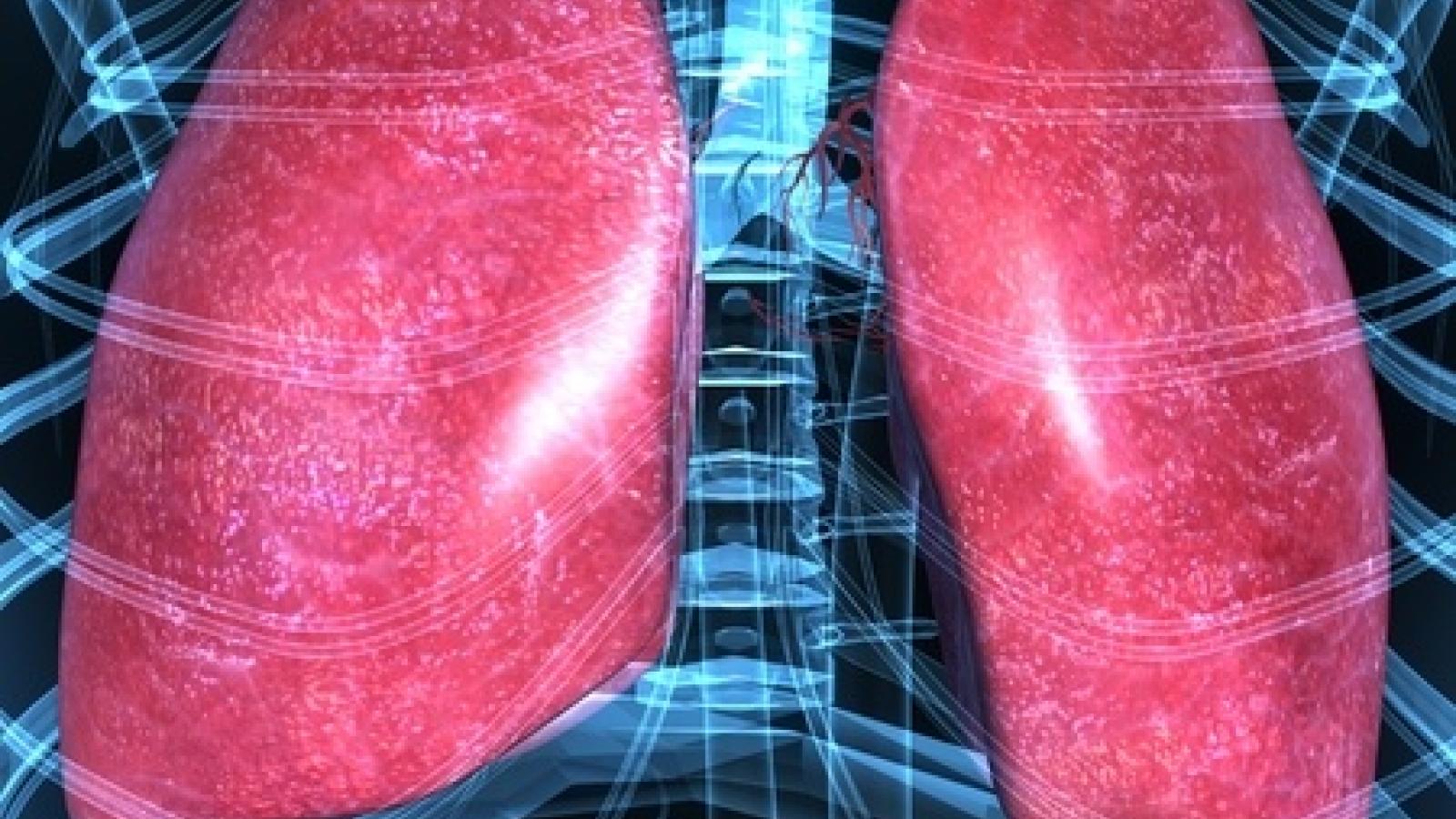
Genentech announced Thursday that the US Food and Drug Administration approved tocilizumab (Actemra) for the treatment of Systemic Sclerosis-associated Interstitial Lung Disease (SSc-ILD), specifically indicated for slowing the rate of decline in pulmonary function in adults SSc-ILD.

Dr. Jack Cush reviews and discusses nearly a dozen news reports and journal articles from the past week on RheumNow.com.
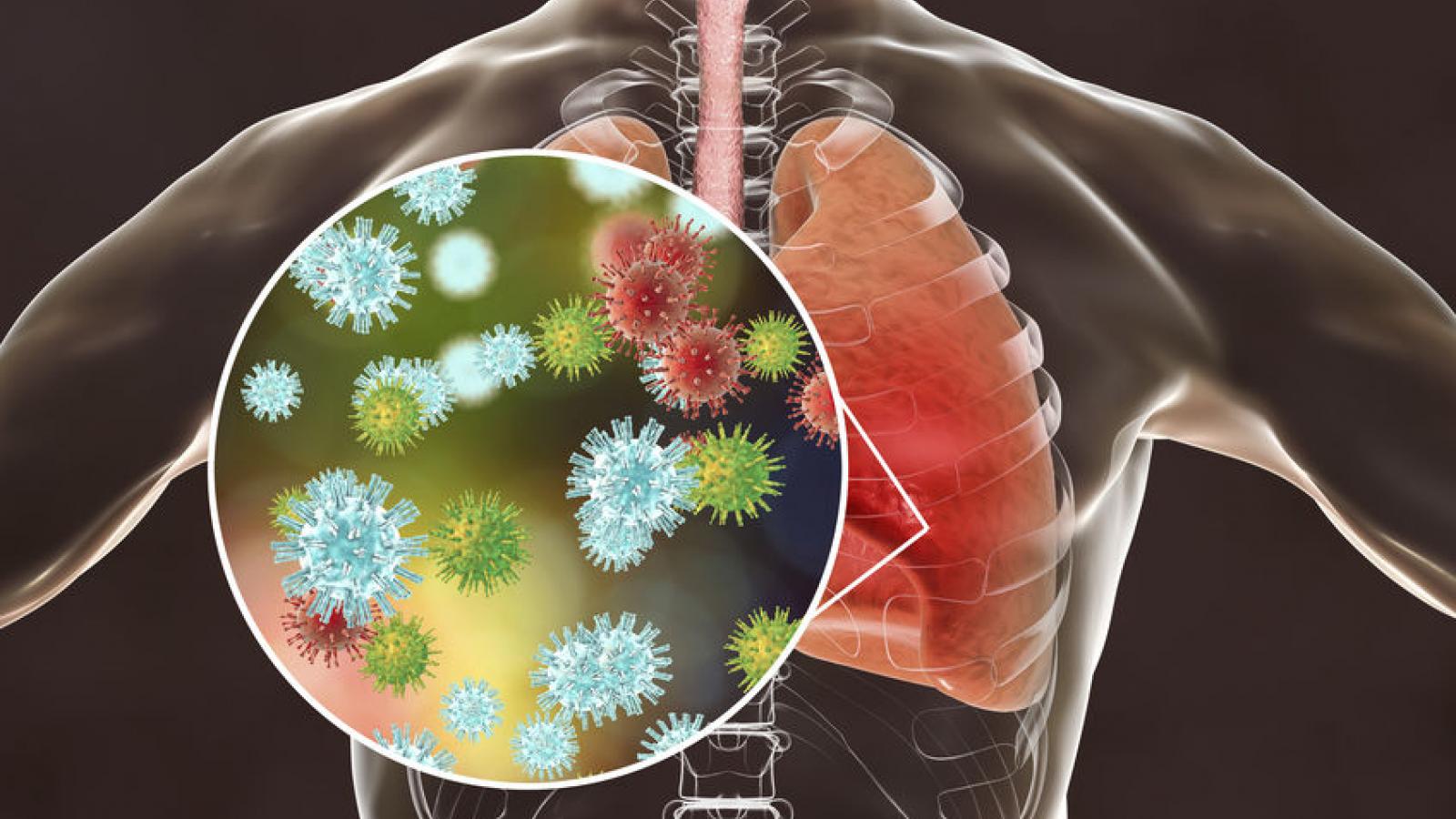
The NEJM has published the results of the ACCT-2 Study, a double-blind, randomized, placebo-controlled trial evaluating baricitinib, an inhibitor of Janus kinase 1 (JAK1) and JAK2, plus remdesivir in hospitalized adults with Covid-19. The primary outcome was the time to recovery. The key secondary outcome was clinical status at day 15.

Analysis of the NHANES population survey data shows weight gain during adulthood increases the risk of gout and that maintaining normal weight could reduce the overall gout risk by nearly 33%.
Obesity and gout have long been linked, but the the influence of weight changes during adulthood has not been examined.

A systematic review of telehealth in delivering equivalent care in RA patients demonstrates there is limited evidence that virtual RA care is equivalent to conventional face-to-face care. Despite current widespread use, there is a great need for credible well-designed research that will address comparable patient outcomes, implementation strategies and long‐term health system consequences.

The addition of an immunomodulating agent to pegloticase (Krystexxa) among patients with uncontrolled gout significantly improved response rates, a systematic literature review found.
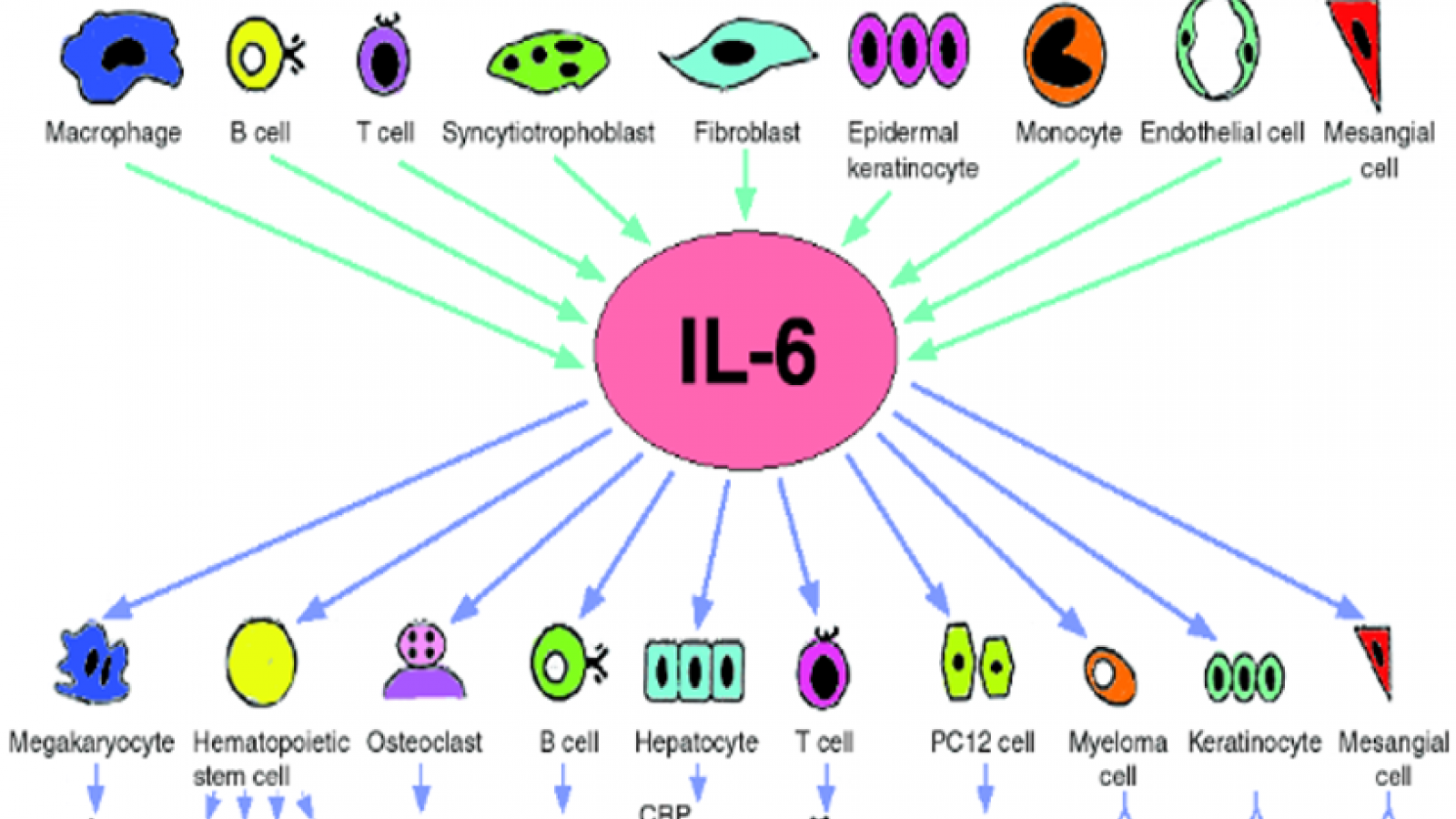
The pendulum and jury are wavering with regard to the benefits of interleukin-6 receptor antagonists in COVID-19; the current NEJM reports the results of a study favoring such biologic therapy in in critically ill COVID-19 patients.
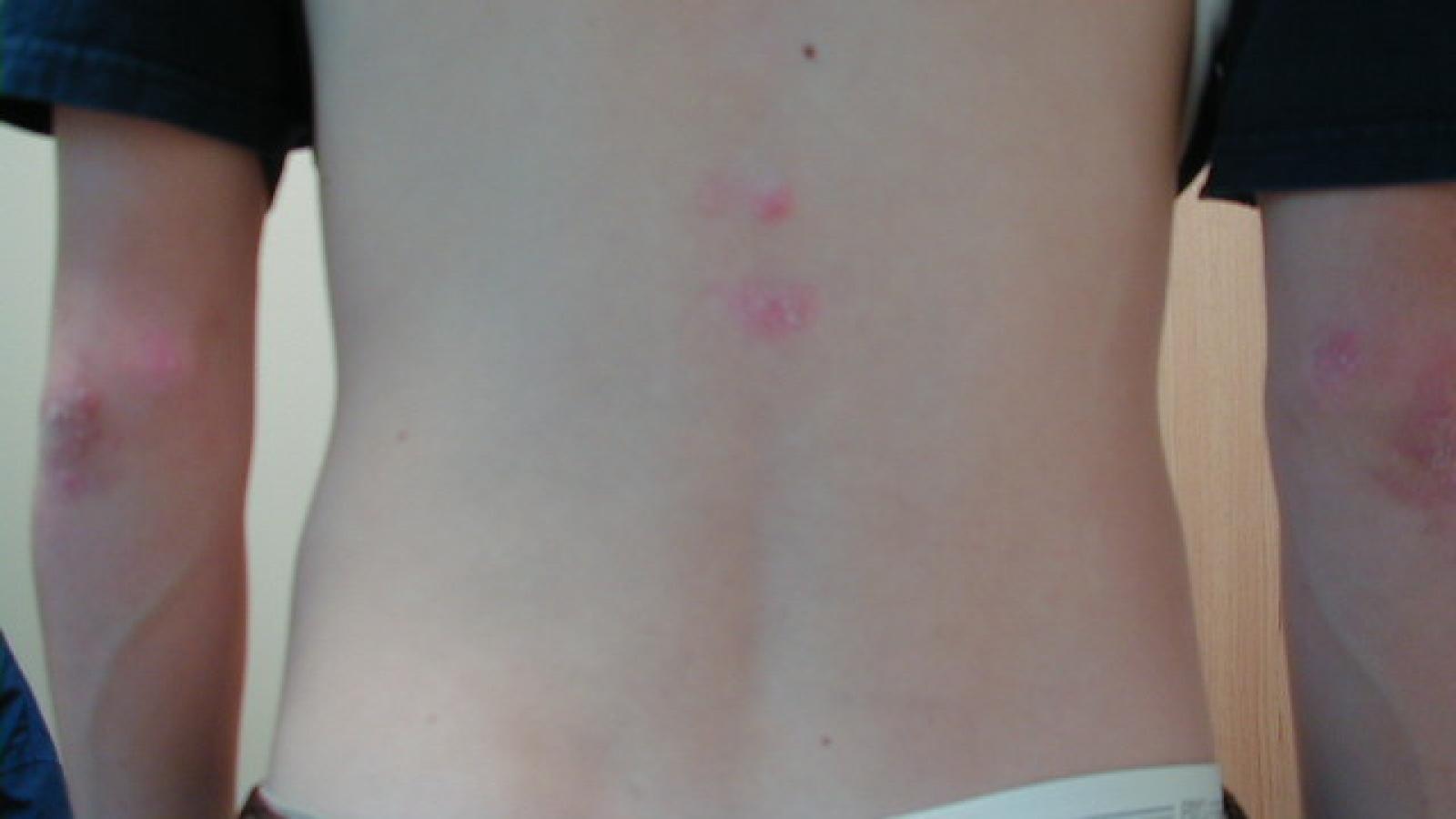
The results of the novel MAXIMISE trial have been published, demonstrating that secukinumab significantly improved axial signs and symptoms in psoriatic arthritis patients with axial manifestations with inadequate NSAID response.
Dr. Jack Cush reviews and discusses the news and Journal reports from the past week on RheumNow.com.
Desai and colleagues have published that when a learning collaborative group focused on a treat‐to‐target approach was compared to usual care, a modest but significant impact on implementation, treatment changes and patient outcomes in RA patients managed with a treat‐to‐target approach was seen.

