
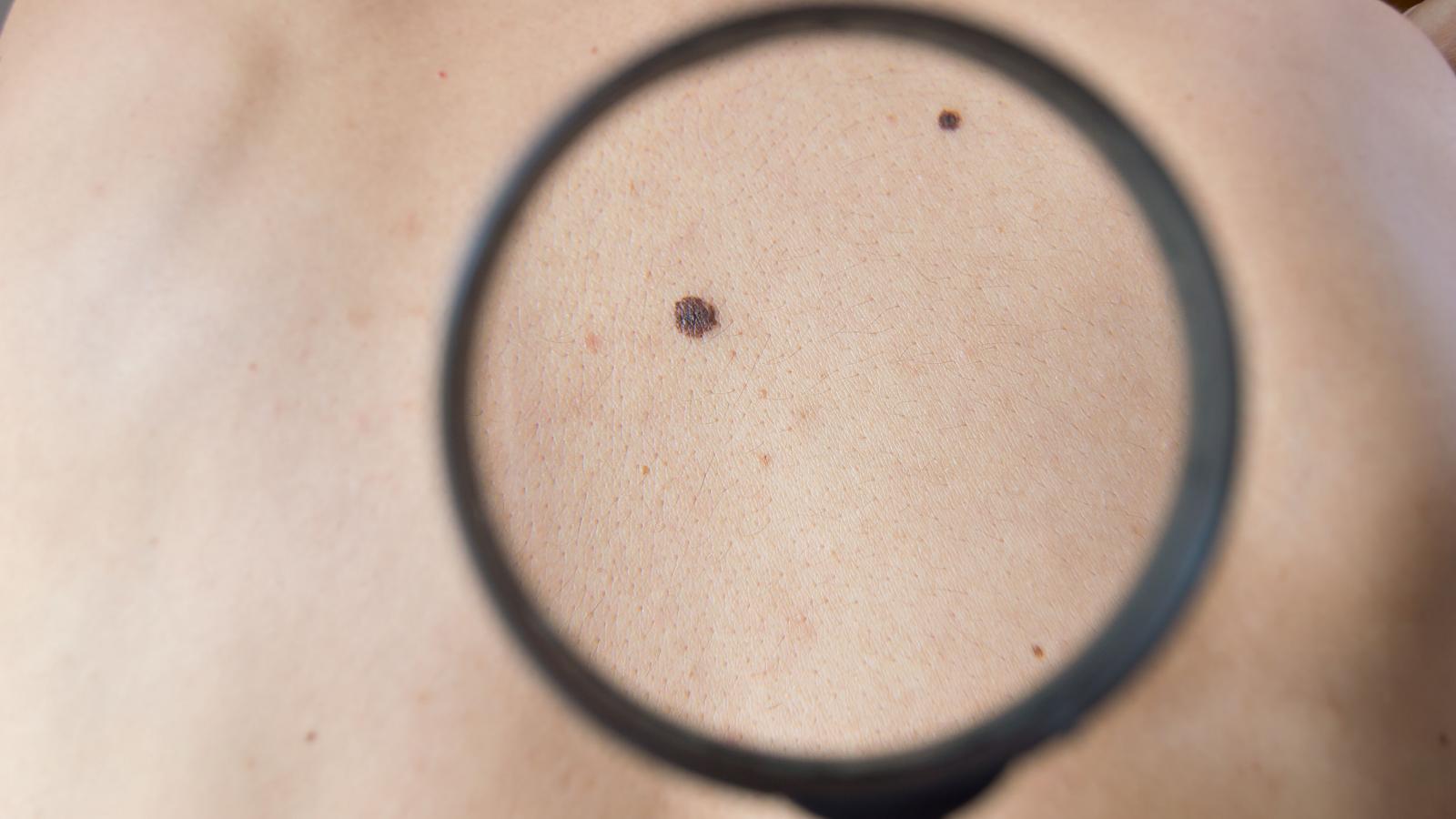
A review of available data fails to show an increased risk of melanoma in IMID (inflammatory bowel disease, rheumatoid arthritis, and psoriasis) patients treated with systemic biologic therapies.
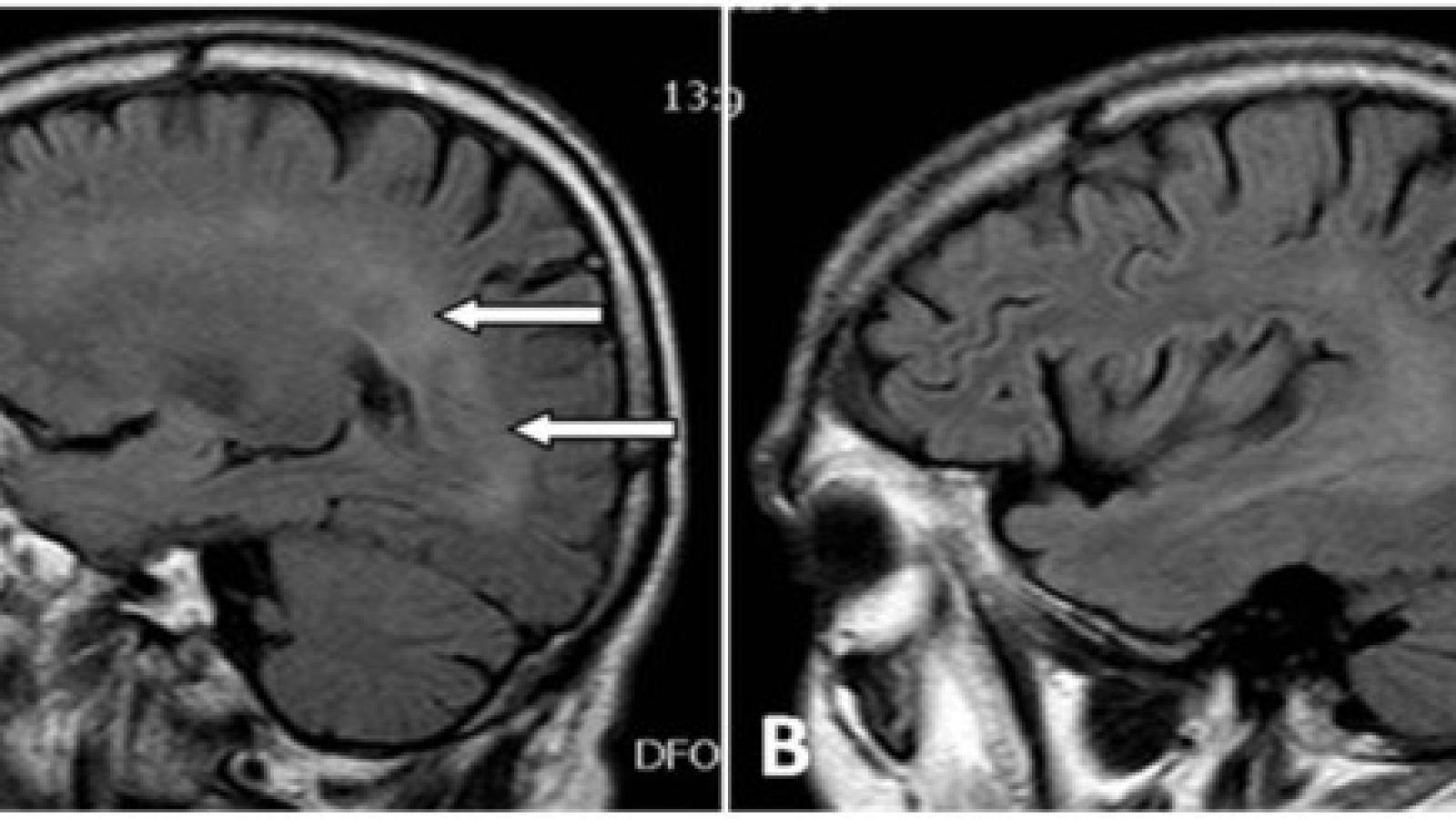
Patients with autoimmune diseases who were treated with tumor necrosis factor (TNF) inhibitors had an increased risk of developing inflammatory central nervous system (CNS) adverse events, a nested case-control study found.

This week's Tuesday Nite Rheumatology features presentations and interviews with Drs. Peter Nash and Philip Robinson. Dr. Robinson presents latest data on the Rheum-Covid.org Registry, that he helped establish under the Global Rheumatology Alliance. Dr. Nash presents the impact of COVID in Australia and pragmatic COVID management.

Congratulations!
Years of training and work, all your efforts and overcoming hurdles have culminated in where you are today – on the verge of a new life, a new plan and possibly a new career.
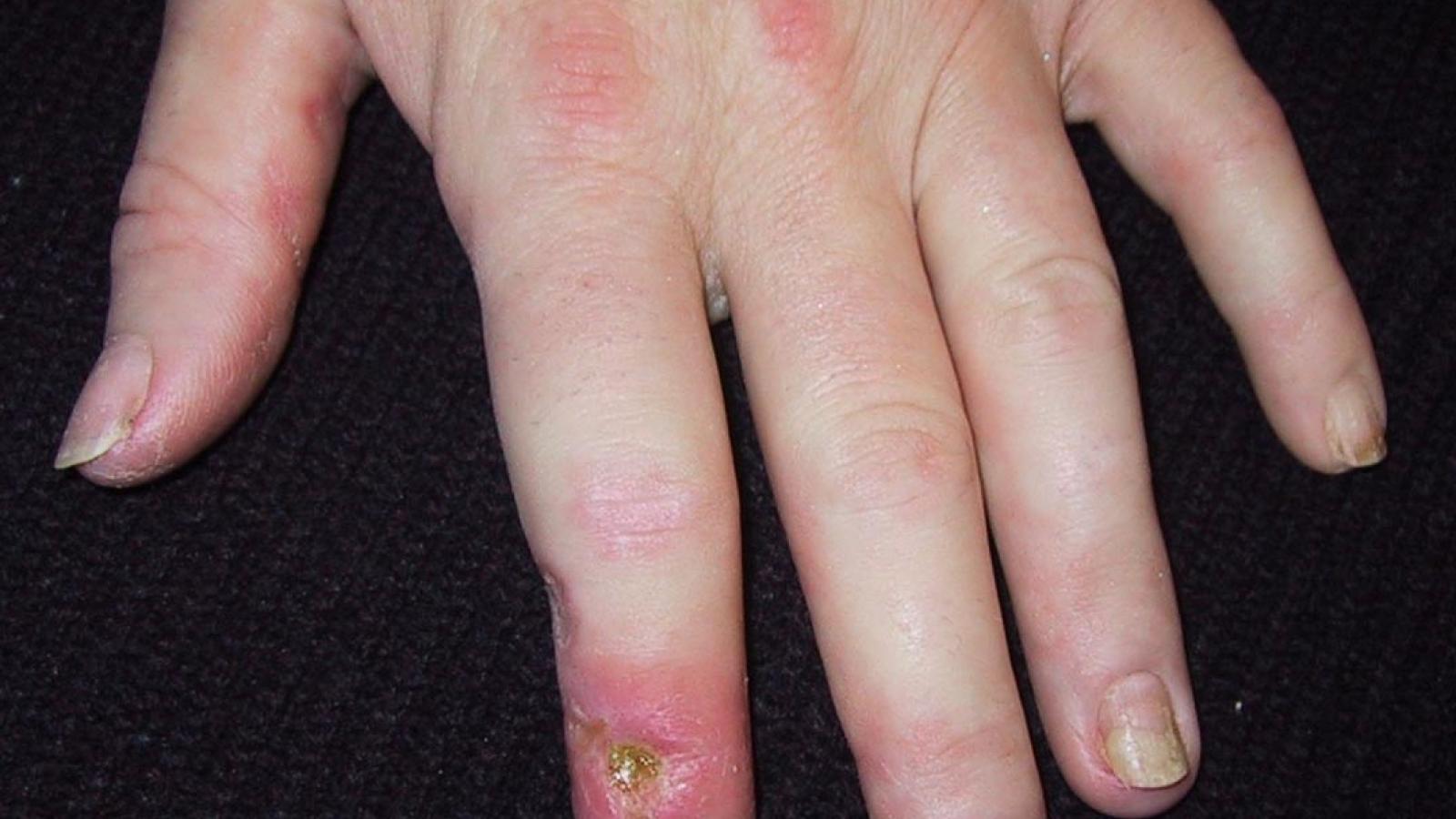
Nagaraja, Khanna and colleagues have published an overview of current and future therapies in patients with systemic sclerosis (SSc) and have reviewed the potential outcome measures for this difficult autoimmune disorder.

Anakinra was studied in 29 COVID(+) patients with respiratory distress and high inflammatory markers (CRP or ferritin) and compared to non-anakinra patients, those on anakinra had better survival (90% vs. 56% ;p=0·009) and greater improvements in CRP and pulmonary function (72% vs 50%) compared to controls at day 21.

Hydroxychloroquine is one of many medications frequently used in rheumatology practice. Its remarkable versatility is attested by its routine use in lupus, in patients with an autoimmune coagulopathy, in patients with rheumatoid arthritis, as well as in those with a low-level inflammatory arthropathy.

Dr. Jack Cush reviews the news and journal articles from the past week on RheumNow.com.

The latest hazardous spinoff to the coronavirus infection is an inflammatory, Kawasaki-like syndrome unique to children or adolescents with COVID-19. Sporadic reports from around the globe of this severe pediatric COVID syndrome have littered the news with brief mentions and little detail.
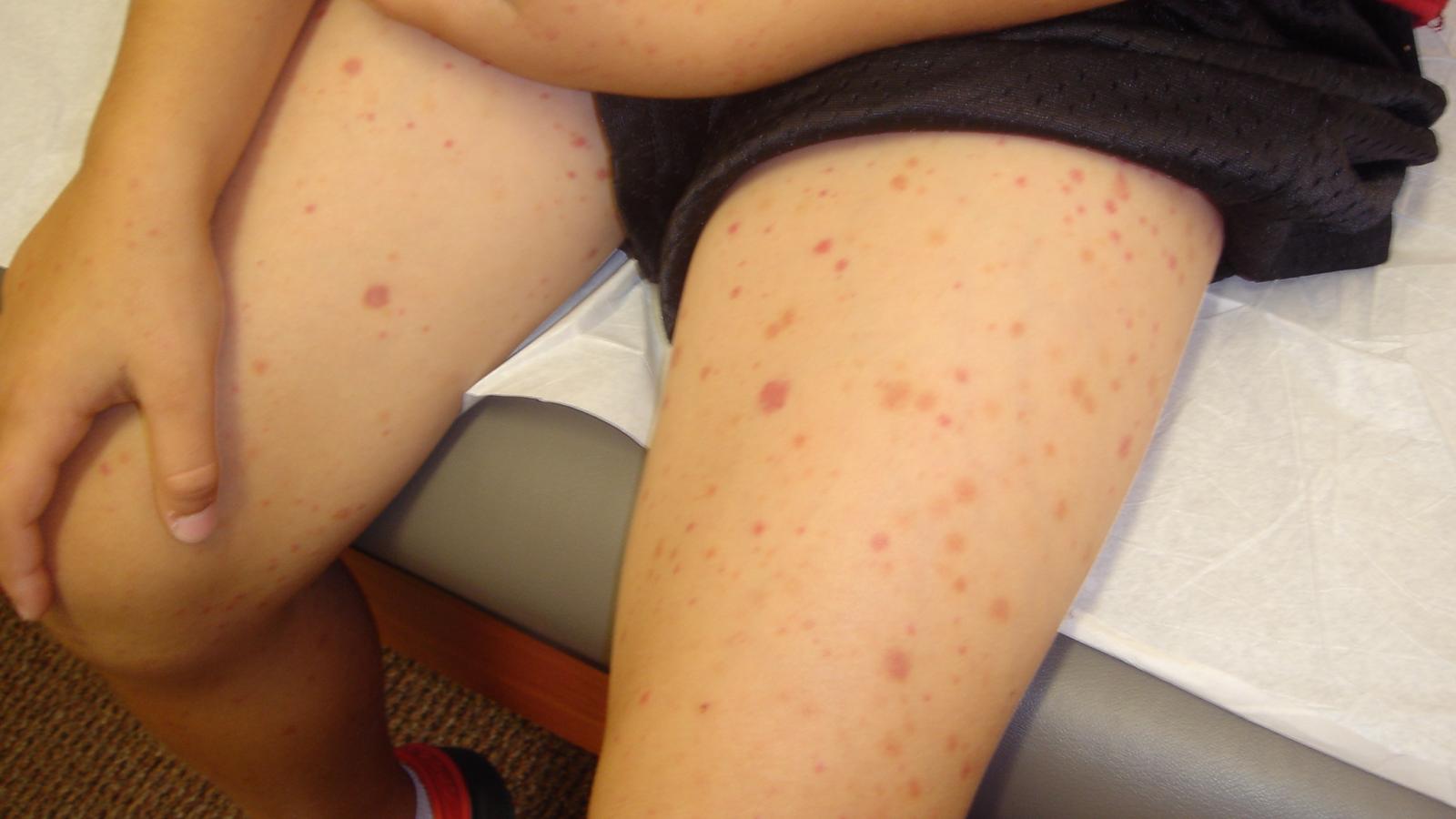
As data continue to emerge about a multi-system inflammatory disorder in children apparently connected to COVID-19, evidence is growing that this is not your typical Kawasaki disease.

Annals of Rheumatic Disease reports on an analysis of lupus (SLE) patients that shows COVID-19 infection rates were similar between those lupus patients who were taking hydroxychloroquine (HCQ) and those not taking HCQ.
Data from the COVID-19 Global Rheumatology Alliance registry shows that 80 patients with SLE and COVID-19 in the registry were mostly female (90%) and under 65 years of age (86%).
Last night's Tuesday Nite Rheumatology featured Dr. Joan Merrill (OMRF). In her lecture, "What does COVID-19 have to do with lupus?", she discusses the pathogenesis of lupus, and specifically thrombotic microangiopathy, complementopathies, catastrophic lupus syndrome and the potential overlap with the vascular pathology seen with COVID-19 infection.

It's Nurses Week and time to reaffirm our reverence for nurses. Dr. Jack Cush gives a video testimonial to the dedication, dependability and excellence Nurses bring to patient care. God Bless our Nurses!

MMWR reports that after attending a 2.5 hr choir practice with one COVID+ symptomatic person, 87% of the choir developed COVID 19; 3 were hospitalized, and two died.
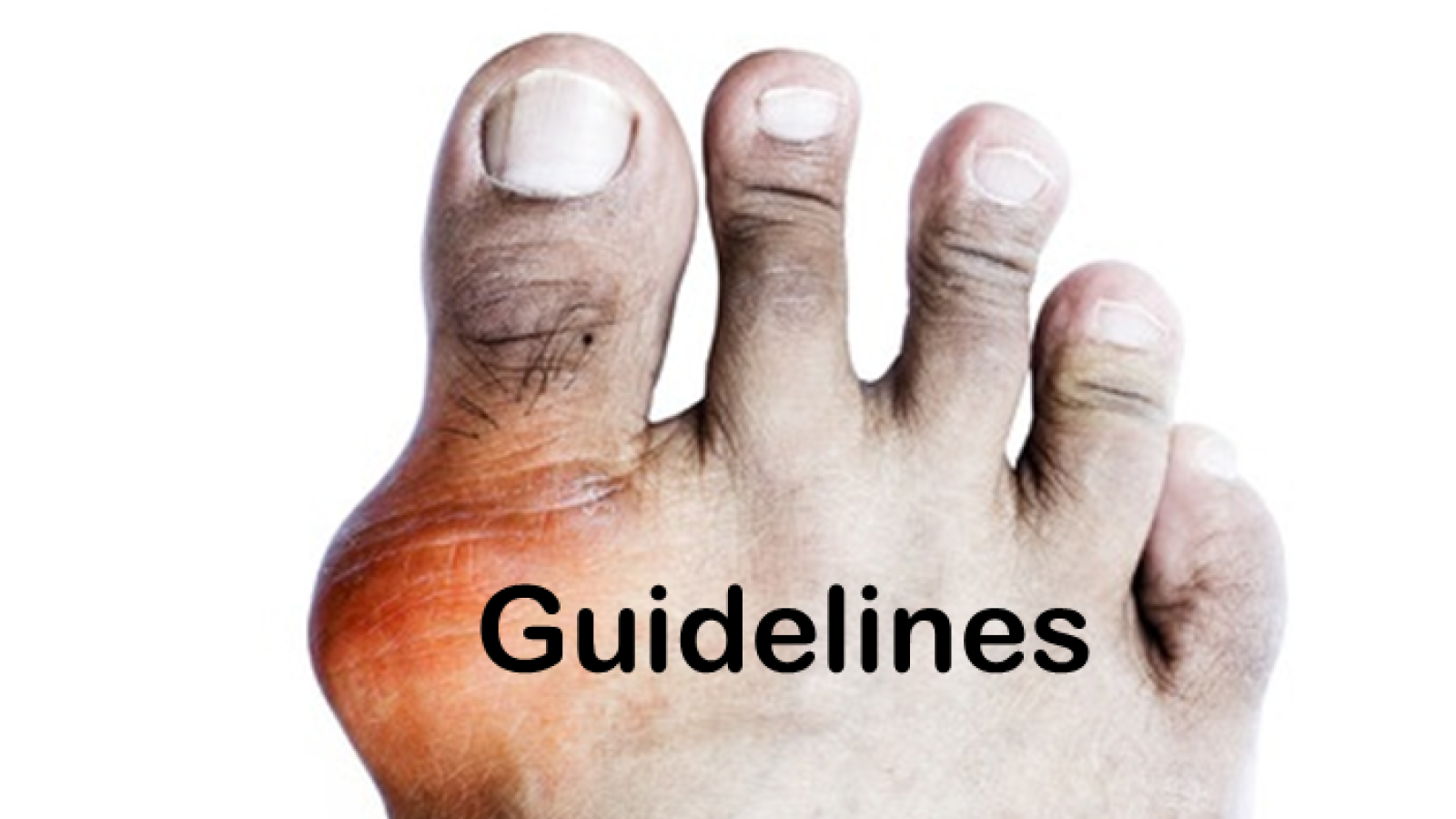
The ACR has published the 2020 guidelines on the management of gout that includes strong recommendations favoring treat‐to‐target management and starting urate lowering therapy (ULT) for patients with frequent flares, radiographic damage or tophi due to gout.

