

The movie Moneyball is a David versus Goliath tale with the A’s (David) struggling to compete with Goliath teams like the Yankees. The movie pits hunch-driven “expertise” (convention) against a mathematic approach to decision making (Moneyball). Would you trust a big Whopper computer printout of next best drug(s) to give to Mrs. Hawking who has psoriatic arthritis and needs to start a DMARD? I believe most of you would huff and scoff at a

From tofacitinib developmental trials in RA and psoriasis and adherence to T2T in early RA to a rheumatology pearl about dapsone and much more, here are the highlights of what you may have missed on RheumNow.com this week.
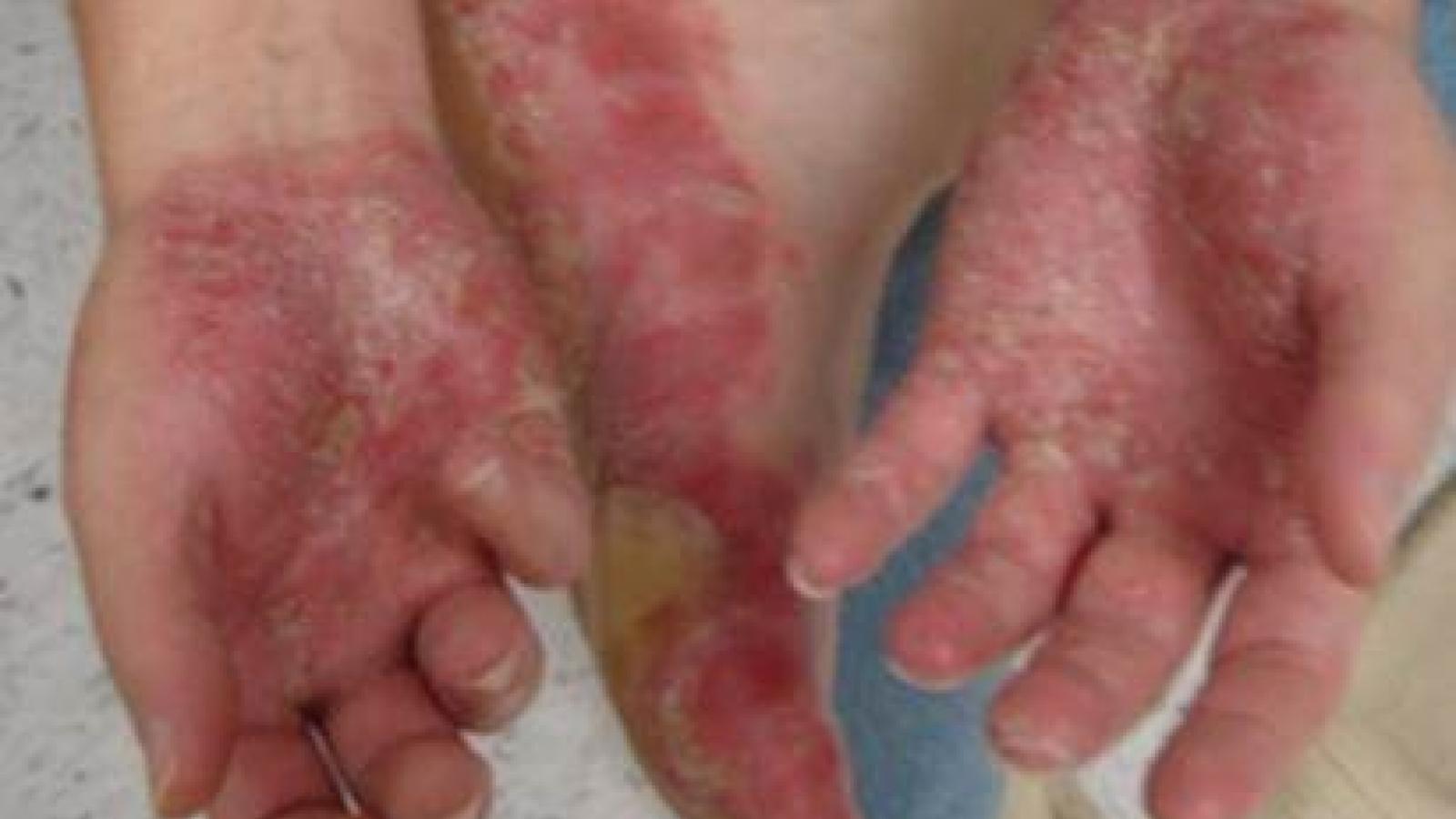
Valeant Pharmaceuticals International's experimental drug to treat psoriasis should be approved as long as certain measures are put in place to mitigate the risk of suicide, an advisory committee to the U.S. Food and Drug Administration concluded on Tuesday.
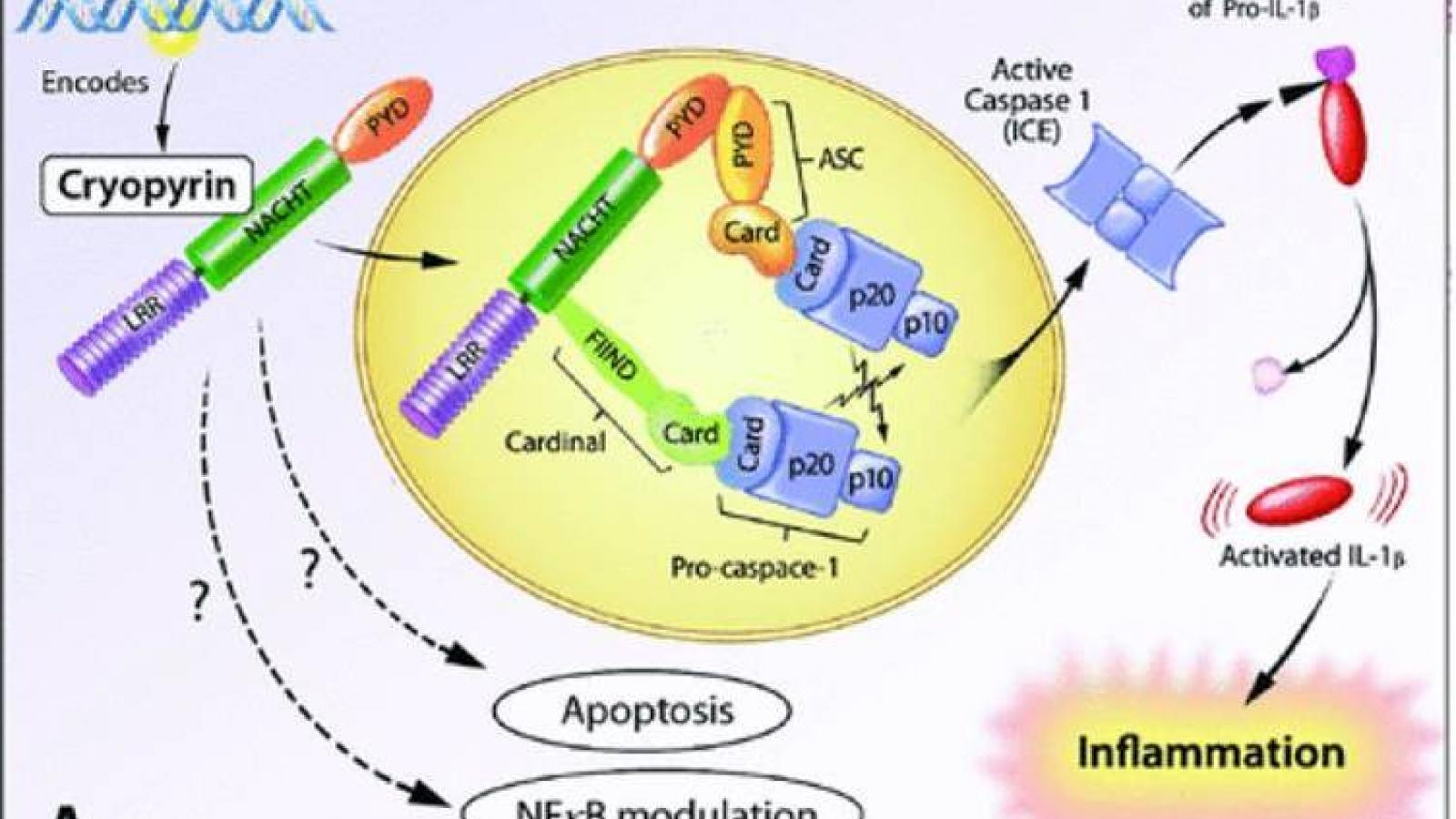
The gene mutations underlying inflammasome activity have been well described, but there appears to be variable penetrance among patients with the same gene mutation, suggesting additional mechanisms may influence disease expression.

Vitamin D certainly plays a pivotal role in bone health and immune function. However, vitamin D (especially its deficiency) has been casually observed to be associated with numerous conditions (cancer, multiple sclerosis, depression, respiratory tract infections, immune disorders), poor outcomes and bothersome symptoms.
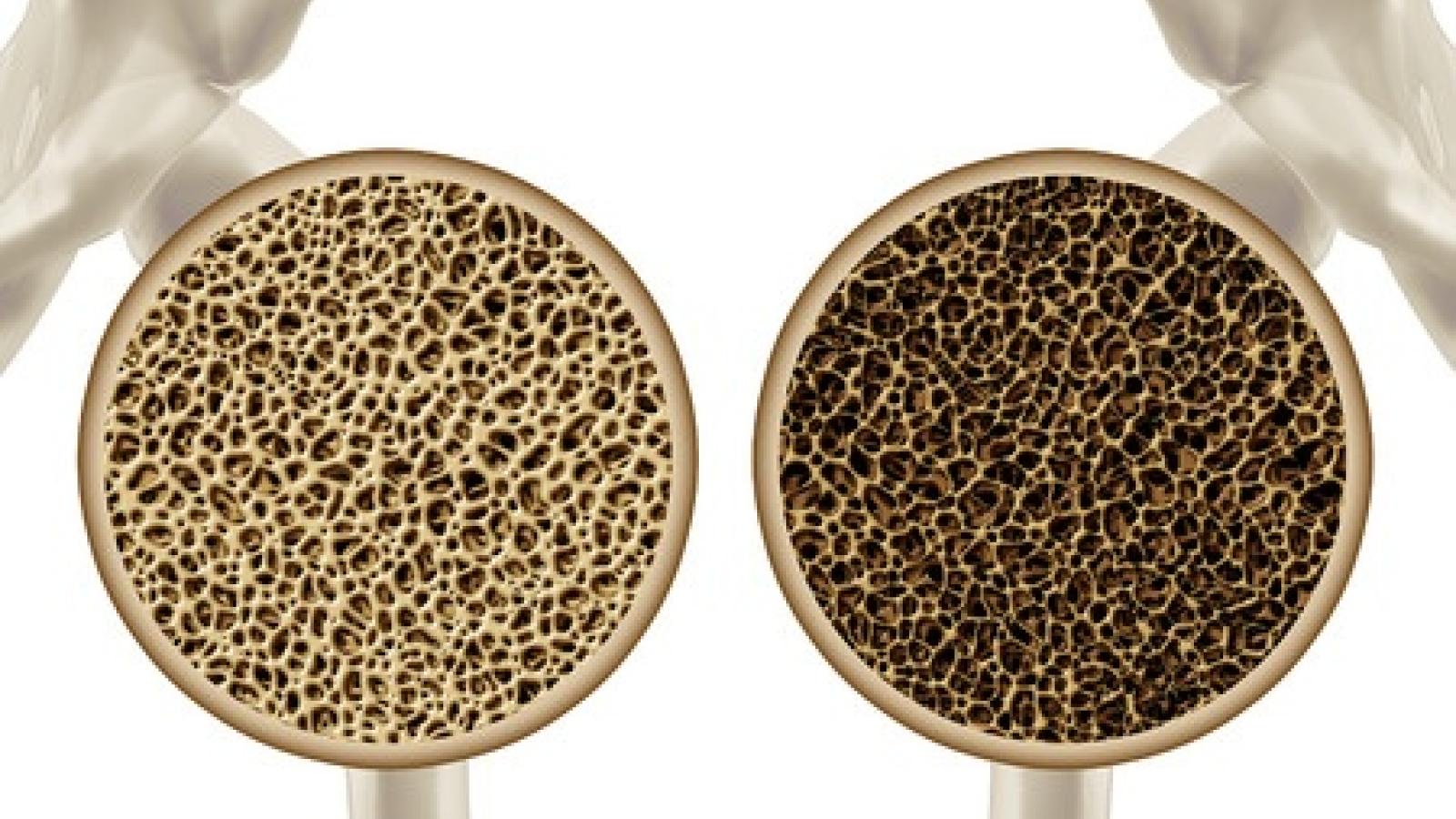
Reuters reports that a study of 6629 Canadian women with osteoporosis taking bisphosphonates found that nearly one in five had a decrease in bone density while on medication. (Citation source: http://buff.ly/2afb7nj)

Experience is a great teacher. My experience with knee replacement surgery taught me the pivotal importance of the physical therapist in individual outcomes.

With the introduction of ASAS criteria for the diagnosis of axial and peripheral spondyloarthropathy, there has been a debate about whether patients with fibromyalgia (FM) could be mistaken for a spondyloarthropathy, or vice versa.
Ablin and coworkers from Tel Aviv have assessed the frequencey of sacroiliitis, the radiographic hallmark of inflammatory spondyloarthropathy, in patients with fibromyalgia.

You know so much, and they have too much to learn, but limited time and few opportunities make it difficult to share information and fill that gap - especially in a way that will “stick” and be meaningful to the patient. When tempted to give patients 'a piece of my mind', here are some things to consider.

SAPHO is an acronym that describes a constellation of findings (synovitis, acne, pustulosis, hyperostosis, and osteitis) that defines this rare syndrome.
While its true incidence is unknown and the condition may often be misdiagnosed or underrecognized, the SAPHO syndrome falls within a variety of disorders manifesting reactive osteitis, arthritis, and chronic cutaneous pustular lesions.

In the last 6 months, the FDA Arthritis Advisory Committee has recommended three biosimilars (CT-P13, GP-2015, ABP-501) for approval, with one achieving FDA approval Inflectra/CT-P13) and the other two pending a probable approval in the months to come.

Porter and colleagues have reported that both rituximab (RTX) and tumour necrosis factor inhibitors (TNFi) are equally and highly effective in early, active, biologic-naive rheumatoid arthritis patients.

The issue of lower intestinal tract perforation (LIP) is no novelty to rheumatologists since the RA treatment paradigm shifted from use of NSAIDs (the most common cause of upper GI tract perforations) to steroids and non-steroidal DMARDs.
Dr. Jack Cush reviews highlights from this week's rheumatology news on RheumNow.com.

