

The "One Big Beautiful Bill" (OBBB), or H.R. 1, was signed into law in July, calls for significant changes in the funding of healthcare education. This bill that lowers cap limits on education loans applies to graduate (APRN, PA) programs.

Thousands of NHS knee replacement operations are cancelled at short notice every year, many for avoidable reasons, according to a new study published December 1st. This costs the NHS millions of pounds and increases waiting times for patients, many of whom are in severe pain.
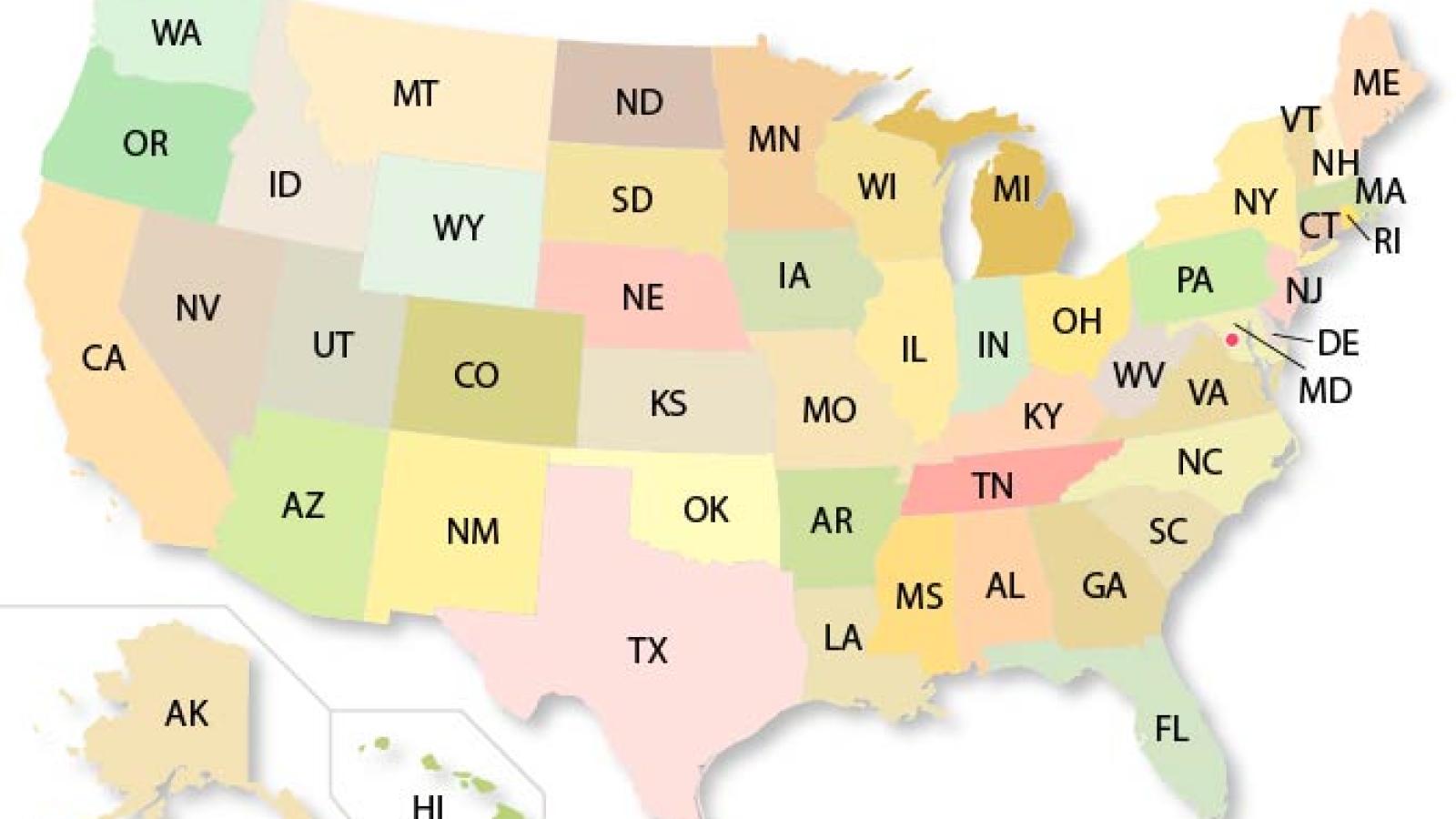
Here's a summary of legislative issues in three key areas: APRN compact and interstate licensing hold up; scope of practice; and, reimbursement hassles.
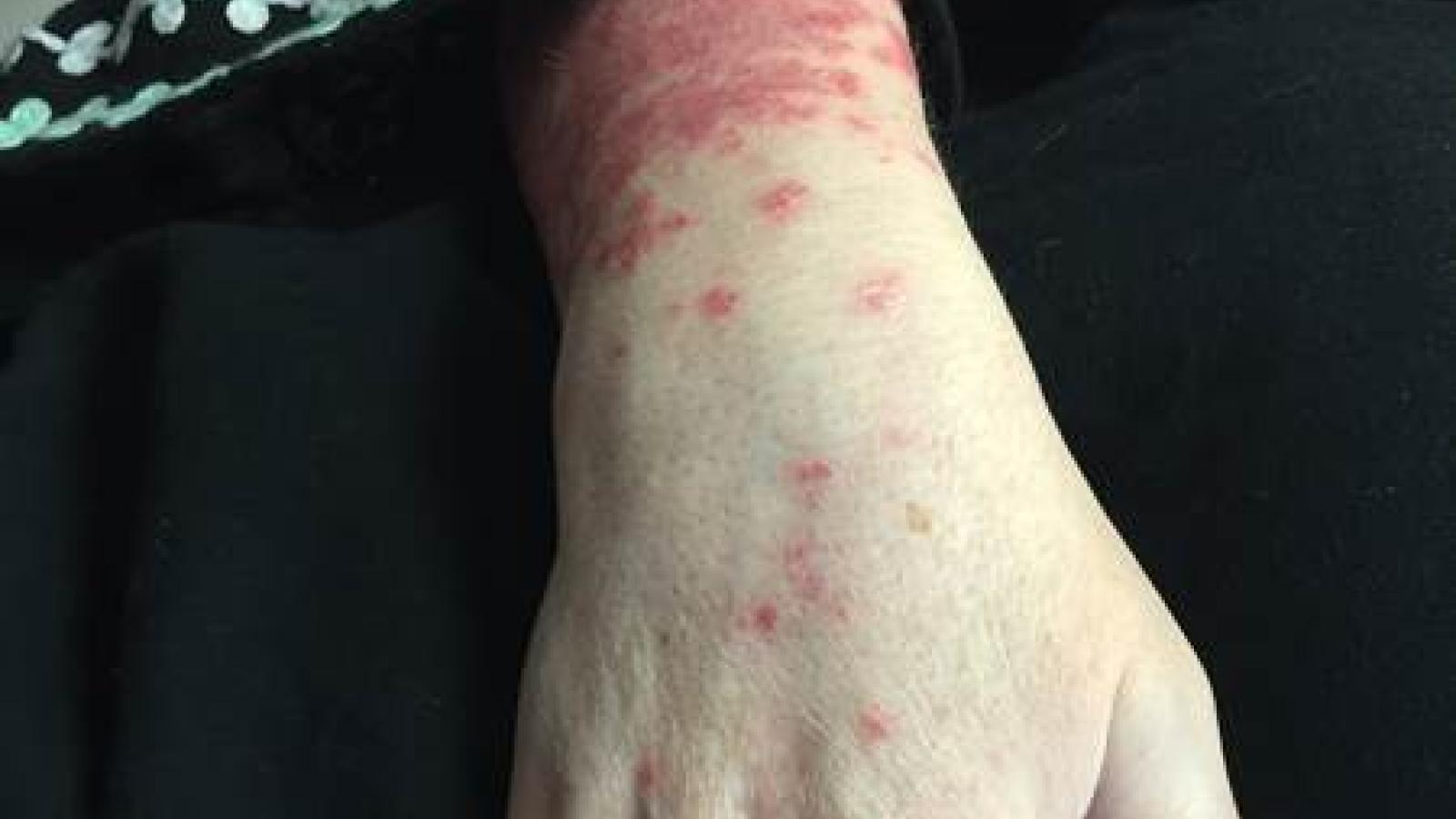
A substantial number of patients with psoriatic arthritis (PsA), have difficult, persistent and hard-to-treat disease. A GRAPPA task force has developed a consensus terminology for two distinct states: complex-to-manage PsA and treatment-refractory PsA.

Swedish national study found that among a cohort of systemic sclerosis (SSc) patients a two-fold increase risk of hematological malignancies was seen.

Advanced Practice Providers (APPs) play an increasingly vital role in rheumatology practices across the country. With rising patient volumes and a growing demand for timely, high-quality care, incorporating an APP into a rheumatology team can be transformative. When the partnership is structured thoughtfully, everyone from the practice benefits.

Dr. Jack Cush reviews the news and reports from this past week on RheumNow.com, including reports on FDA resurrections, FM seasonal worsening, and do you fight switch or swap biologics in PsA TNFi nonresponders?
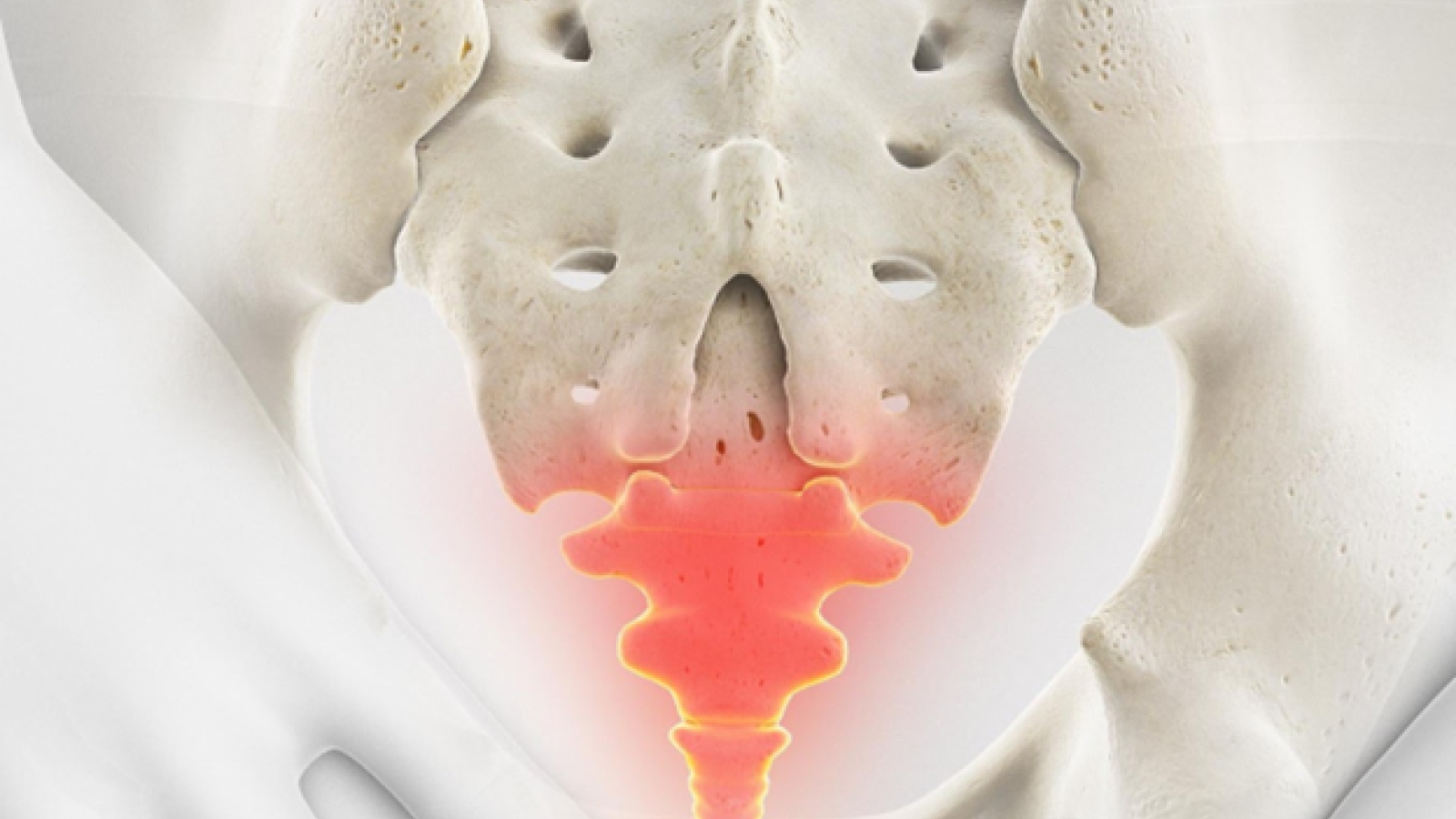
Pain from coccygeal or sacrococcygeal disorders is rare, often presenting as a diagnostic challenge. Coccygeal pain is often mistaken for lumbosacral, pelvic, or gastrointestinal disorders. This review presents the epidemiology, anatomy, biomechanics, presentations, diagnostic evaluation, imaging and management of coccygeal disorders, including surgery.

A full read systematic review article examined treatment options for difficult to manage systemic juvenile idiopathic arthritis, or Still’s disease. It classified these refractory disease patients as those with either (1) persistent arthritis, (2) recurrent or difficult-to-treat macrophage activation syndrome (MAS), or (3) interstitial lung disease.

Widespread chronic pain may stealthily drive up blood pressure, partly through its ties to depression and inflammation.

Postoperative complications with arthroplasty may be related to chronic inflammation and immunosuppressive therapy. Yet a recent retrospective study total ankle arthroplasty in end-stage RA patients shows that early postoperative wound complications are unaffected by the continued use of their preoperative medications including DMARDs.
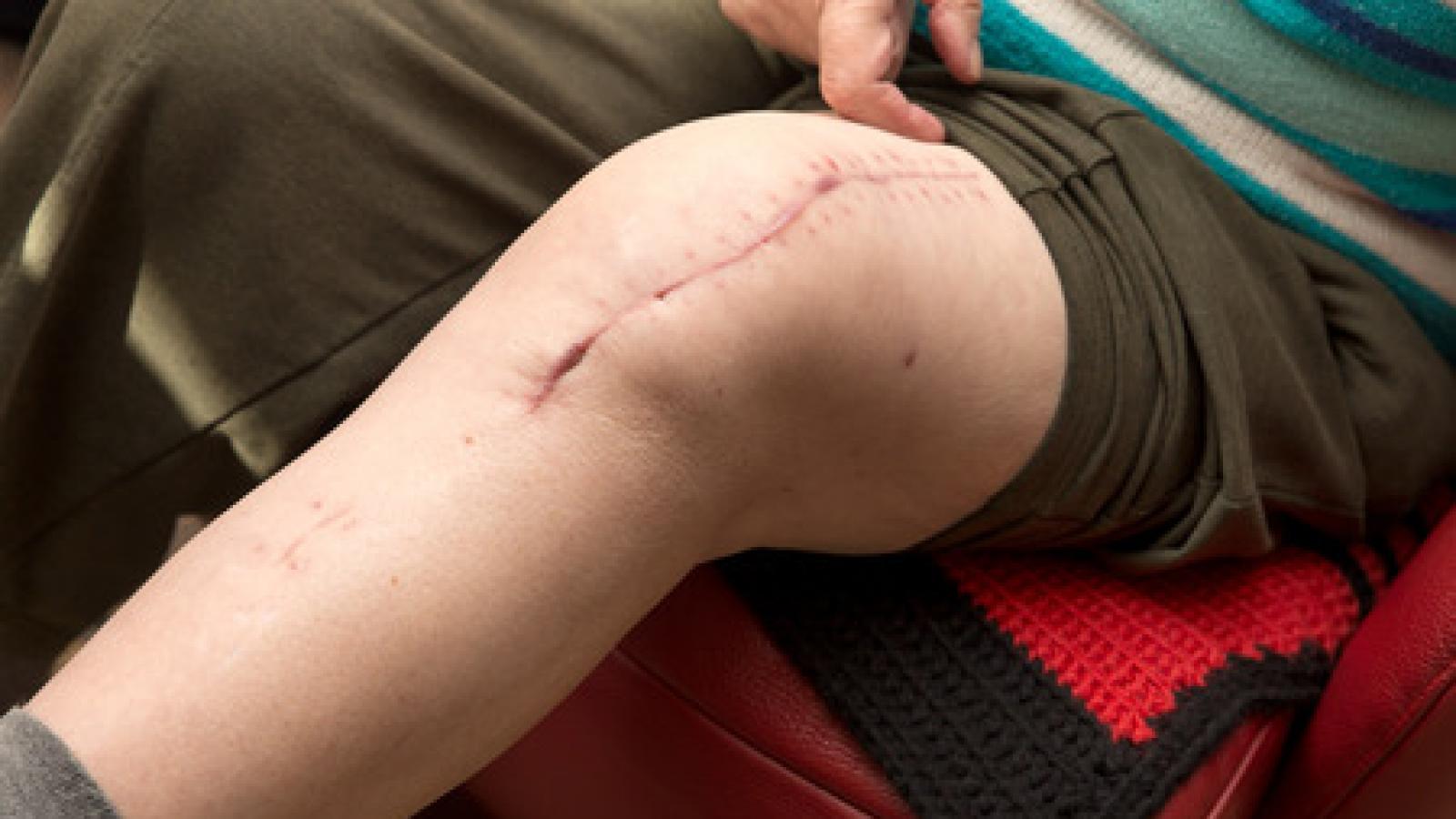
Patients with osteoarthritis (OA) primarily affecting only one knee joint compartment did just as well with partial knee replacement (PKR) as with total arthroplasty after 10 years in a randomized trial -- and maybe a little bit better. Final results of the landmark TOPKAT study indicated that rates of the most clinically important outcomes were nearly equal between the two procedures, according to David Beard, DPhil, GDPhys, MCSP, MSc, of the
Dr. Jack Cush reviews the news and journal reports from this past week on RheumNow.com.
A review of patient data from the International AutoInflammatory Disease Alliance (AIDA) Network registry identifying those with mucocutaneous Behçet’s disease (BD) may progres to major organ involvement (MOI)m especially at later stages.
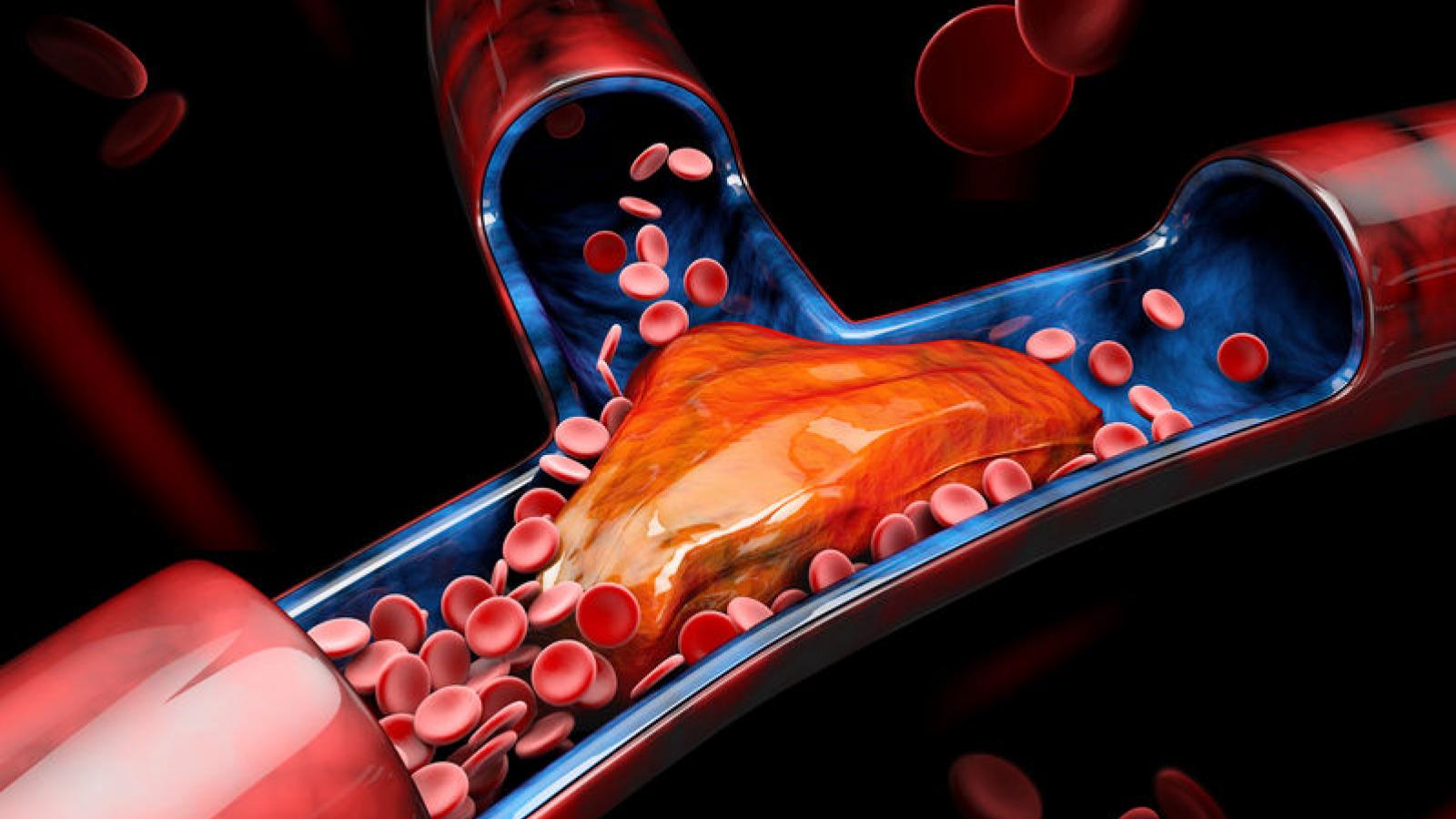
APS is a systemic autoimmune disorder. It is characterised by the presence of antiphospholipid antibodies and a broad spectrum of clinical features, causing obstetric as well as thrombotic, microvascular and non-thrombotic (TMN) symptoms. These can range in severity, and people may have involvement at only one or multiple sites.

